

Split pea soup
2 years ago
Featured Answer
Sort by:Oldest
Comments (32)
Related Discussions
Pea variety for split-pea soup?
Comments (9)Dave, the field peas as per dilla's link and of what are typically used for "split-pea" soup are of the same family as "english peas" or "green peas", brought from europe to NA: pisum sativum. Southern peas or cowpeas of course as you know are the family Vigna from africa and have a dramatically different taste from pisum(IMO), Yeah, I know. Thus the use of "moniker" as opposed to genus or family since many use the common labels interchangeably, incorrectly but still interchangeably. A long discussion over on the Harvest forum some months back came up with several more alternate labels for them but I can't recall all the "we call them" names folks came up with. Sorry if any confusion. But whatever one calls them, they still are not productive enough in the typical home garden to off-set their inexpensive store-bought cost. Dave...See MoreCanning split pea soup
Comments (10)I have a question about separation, density and texture of this soup. After following this thread, I made the BBB recipe for Split Pea Soup. I doubled the recipe and followed it exactly, except I omitted the allspice. My package of peas was 1lb-13 oz, instead of the full 2 lbs for doubling the recipe, so I figured I wouldn't need to add additional water to cut density. I sliced the carrots, per instructions,cutting the slices from the larger ends in half to make the pieces more uniform. The onions and ham were chopped in small, uniform pieces. I cooked the peas in water as instructed. I did not puree, even though the recipe permits it. I added the veggies, cooked 30 more minutes, then canned per instructions. The mixture was thin enough so I did not add additional water. There was a lot of separation in the jars as I filled them, even though I kept the soup well stirred as I filled the jars. The pea mixture settled to the bottom and the carrots and onions floated in the thinner water at the top. I stirred each jar before putting lids on. After processing and cooling overnight, The separation is even more noticeable. The heavier pea mixture is much thicker at the bottom of the jars--kind of sludgy. Not even shaking the jar blends it evenly. Well, not entirely true...if I shake really hard, it mostly blends. As I have never pressure canned split pea soup before, I don't know if this is normal or not. Once heated, the taste and texture is exactly like my homemade/not canned soup. It has been less than 24 hours, so if I need to freeze this batch, I can do so. Is this texture/density/separation normal for pressure canned pea soup? Jill...See MoreIt's a split pea soup kind of day
Comments (14)There's a first step I follow with split peas and dried beans to speed cooking and reduce intestinal flatulence. Put the legumes into a pot of water with at least 3X the volume of water as the volume of dry beans/peas. Bring to boil. Turn off heat, cover, let sit one hour. Pour off water, then use the almost fully cooked legumes to prepare whatever recipe you're making. Soup can be done in as little as one more hour. You can saute onions and other veggies in another pot while the peas sit. Or, take out the peas when done, use the soup pot to saute the veggies, then add back the peas and whatever liquid and other things you use....See MoreHow do you make Split Pea Soup?
Comments (21)It is hard to go wrong with split pea soup. I prefer using a ham bone, but if I don't have any, I do use a couple of ham hock chunks. The ham bone usually has some nice bits still clinging to the bone, and I shred them and add to the soup when it is done and has been pureed. I add carrots, onion, celery and usually any odds and ends in the refrigerator such as left over green beans, broccoli, squash, a potato or two. I use water to make the soup and add salt, pepper, a bay leaf and maybe a dash of nutmeg and a dash of Worchestershire sauce. After 2 or 3 hours or so, I remove the bone, bay leaf and any meat and whirl it in the blender or use the blender wand. Then I shred any meat morsels and return them to the pot. It is always tasty, no matter what odds and ends I throw in....See More 2 years agolast modified: 2 years agosushipup2 thanked carolb_w_fl_coastal_9/10
- 2 years ago







Related Stories
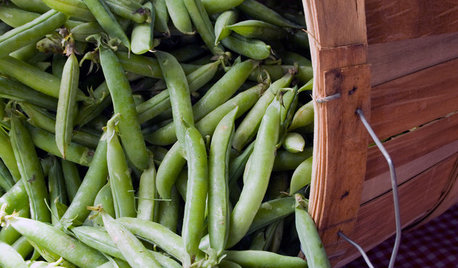
COOL-SEASON CROPSCool-Season Vegetables: How to Grow Peas
Their sweetness isn't just for spring. Peas thrive in cool weather too, adding a garden-fresh note to soups, salads and more through fall
Full Story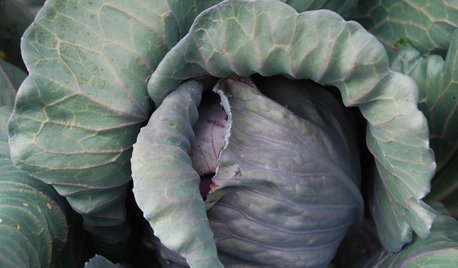
COOL-SEASON CROPSCool-Season Vegetables: How to Grow Cabbage
Give soups and stews an unbeatably fresh flavor with this ever-popular fall garden favorite
Full Story
KITCHEN DESIGNHaving a Design Moment: The Kitchen
Take a peek at 11 design opportunities you shouldn't overlook in the kitchen
Full Story
COLORBest Ways to Use the Neutral Green Color of 2015
Benjamin Moore’s Color of the Year is soft and natural
Full Story
GREENColor Guide: How to Work With Chartreuse
As earthy or electric as you please, this yellow-green hue brings the zing or just freshness to homes from traditional to modern
Full Story
COOL-SEASON CROPSCool-Season Vegetables: How to Grow Collards
Look out, spinach. For fall and spring gardens with a little heat, collard greens may be the better choice
Full Story0

GARDENING AND LANDSCAPINGCream-of-the-Crop Vegetable Gardens
Both trendy and traditional, these inspired potager designs turn the everyday vegetable garden into art for your landscape
Full Story
FIREPLACESUpdated Woodstoves Keep Home Fires Burning
Better technology means more efficiency than ever for modern woodstoves
Full Story
FARM YOUR YARD6 Things to Know Before You Start Growing Your Own Food
It takes time and practice, but growing edibles in the suburbs or city is possible with smart prep and patience
Full Story
LIFETable Manners for Modern-Day Dining
Elbows and cell phones? Maybe. Forgetting to say 'thank you'? No way. Our mealtime etiquette guide takes the guesswork out of group dining
Full Story
seagrass_gw Cape Cod