

Do they just not write ‘em like they used to?
4 years ago
last modified: 4 years ago
Featured Answer
Sort by:Oldest
Comments (34)
 4 years ago
- 4 years ago
Related Discussions
If you can't beat em....just eat 'em
Comments (9)A lot of the fear of this is just cultural. I'm sure our ancestors prior to the discovery of the first pesticides, arsenic compounds in the 19th century, ate a LOT of wormy fruit, either directly or indirectly in processed form, and didn't give it much second thought. And, I'm sure that in many poor countries around the world, it's still the norm, not the exception, to have to eat things untreated with pesticides. Most of those people no doubt also just "eat around" the parts that are too damaged to be edible. They probably turn the bad stuff into food indirectly by feeding it to chickens, pigs, goats, or whatever which then provides a human food source. And, of course, there are many cultures around the world that directly eat and enjoy insects. Aborigines in Australia ate many, many kinds of insects. In Thailand, giant water bugs, dipped in batter and deep fried, are a gourmet delicacy and are becoming very expensive, the supply being limited due to overharvesting, pesticide runoff, etc. I also recently saw an episode of Rick Bayliss' PBS series 'Mexico One Plate at a Time' where he was in a very exclusive restaurant in Mexico city that was serving fried grasshoppers. Really, any time you eat most commercially processed foods of plant origin, such as breads, juices, etc., you are getting trace amounts of insect proteins. The federal government sets allowable levels of insect matter in all kinds of foodstuffs. "Zero" just isn't realistically attainable in a cost-effective way. Here is a link to an FDA publication which shows the allowable level of contamination of various types of things in certain foods. Some of it may be higher than many people know -- for example, 4% of cocoa beans can be infested and still be sold in the US food trade. Canned tomatoes can have no more than 2 fruit fly larvae per 500 gram (slightly larger than a pound) can. Ground nutmeg can have no more than 100 insect fragments per 10 grams. Here is a link that might be useful: FDA guide to allowable contamination levels in food....See MoreSquirrels and Rabbits-Love 'em/Hate 'em or just co-exist?
Comments (16)Hasenfeffer (Sour Rabbit Stew) SUBMITTED BY: NXNER "Original German rabbit stew recipe passed down from my great-grandmother who immigrated to US in 1889. This is a lot of work to make but well worth it. It is an acquired taste dish; once hooked, you can't get enough. Serve with fresh mashed potatoes and celery sticks. Use the stock as gravy for mashed potatoes. Always tastes better as leftovers. Hope you enjoy!" -------------------------------------------------------------------------------- PREP TIME 1 Hr COOK TIME 1 Hr 15 Min READY IN 10 Hrs 15 Min INGREDIENTS 2 3/4 cups red wine vinegar 3 cups water 1 1/2 tablespoons white sugar 8 whole cloves 1 medium onion, thinly sliced 5 stalks celery, chopped 1 lemon, thinly sliced 1 teaspoon ground cinnamon 1/2 teaspoon ground cloves 1 tablespoon salt 1 teaspoon pickling spice 1 teaspoon ground black pepper 1 cup all-purpose flour 1 (2 1/2 pound) rabbit, cleaned and cut into pieces 3 tablespoons vegetable oil DIRECTIONS In a large pot, combine the water, white sugar, whole cloves, onion, celery, lemon, cinnamon, ground cloves, salt, pickling spice and black pepper. Bring to a boil, then turn off and allow to cool. Place the rabbit pieces into the mixture to marinate. Cover and refrigerate overnight. Preheat the oven to 350 degrees F (175 degrees C). Spread flour out onto a parchment or aluminum foil lined baking sheet. Bake for about 10 minutes, stirring occasionally, until the flour is a light brown color. Remove the rabbit from the marinade and pat dry. Strain the marinade, and discard the solids. Reserve the liquid for later. Heat the oil in a deep skillet or Dutch oven over medium heat. Coat the chicken with the toasted flour. Place into the hot oil, and cook until browned on both sides. Remove from the pan, and set aside. If there is oil left in the pan, sprinkle enough of the toasted flour over it to absorb the liquid. In a jar with a lid, mix 1/2 cup of the marinade with 1/4 cup of the remaining toasted flour. Close the lid, and shake vigorously until well blended with no lumps. Heat the pan with the rabbit drippings over low heat. Gradually stir in the marinade mixture, stirring constantly until slightly thickened. Return the rabbit pieces to the pan. Cover and simmer over low heat for 1 hour, or until the meat is falling off of the bones. You may remove the bones prior to serving if desired....See MoreCasters on sofas: like 'em or hate 'em?
Comments (7)Hate is a strong word, but I definitely think a sofa would look much better without casters as pictured above. I have only one piece of furniture with casters on the legs ~ a wood swivel-type desk chair. For that purpose, the casters do make sense since the chair is moved in and out often. Other than a piece being moved in the way an office hair is moved, it really doesn't seem to be of great benefit to have them. IMO, the casters don't add anything aesthetically, actually the opposite....See MoreCounertops - how thick do you like 'em?
Comments (6)If you are 5'4" or under consider thinner granite to lower the counter top height. Particularly important if you do a lot of baking. Also forget the fancy edges, they add a fortune to the total cost.I'd also request rounded edges, saves a lot of bruises and less likey to acidently chip. Thinker granite looks plush but add nothing to usability. Most important thing is splurge on slab granite rather than granite tile....See More PRO4 years ago
- 4 years ago
 4 years ago
 4 years ago
- PRO4 years ago
 4 years ago
 4 years ago
- 4 years ago
- 4 years ago
- 4 years agolast modified: 4 years ago
 4 years ago
- 4 years agolast modified: 4 years ago
- 4 years ago
- 4 years ago
- 4 years ago
- 4 years agolast modified: 4 years ago
- 4 years agolast modified: 4 years ago
- 4 years agolast modified: 4 years ago
- 4 years ago
- 4 years agolast modified: 4 years ago
- 4 years ago
 4 years ago
- 4 years agolast modified: 4 years ago
- 4 years ago
- 4 years agolast modified: 4 years ago
- 4 years ago
- 4 years agolast modified: 4 years ago
- 4 years ago
- 4 years ago
- 4 years ago
- 4 years ago


Related Stories
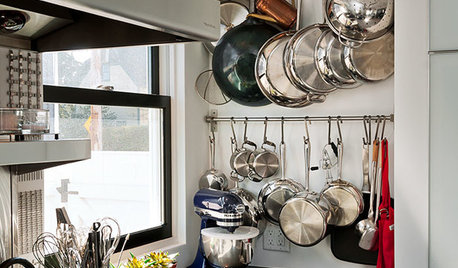
KITCHEN DESIGNHang 'Em or Hide 'Em: 10 Stylish Ways to Store Pots and Pans
Keep cookware neat and at the ready with racks, drawers and creative storage solutions
Full Story
COLORGoing Bold With Just Enough Color
Using color with restraint inside and outside can be far more effective than a less subtle approach
Full Story
MORE ROOMSLong, Cold Winter Days—Bring 'em On!
13 Inspiring Ways to Make Good Use of Nesting Season
Full Story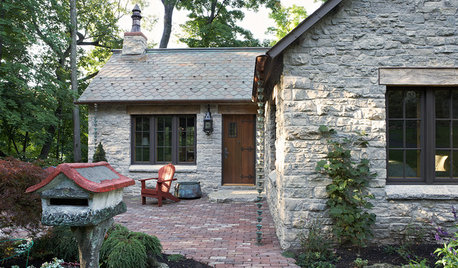
GREEN BUILDINGHouzz Call: What Have You Salvaged for Home Use?
If your floors, furniture, exterior materials or other home elements have a past life, we'd like to hear the story
Full Story
DREAM SPACESJust a Few Things for the Dream-Home Wish List
A sunken hot tub, dedicated game room, tree house, hidden wine cellar and more. Which of these home luxuries would you like best?
Full Story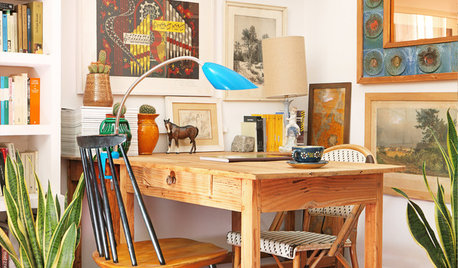
LIFEIt’s National Novel Writing Month. How to Set Up Your Space
There’s nothing like a deadline to get creative sparks to fly. The right workspace (and coffee station) helps too
Full Story
DECORATING GUIDESDo You Have a Signature Color? Here's How to Find and Use It
You don't need a TV show or legendary brand to play style maven at home — you just need a color of your own
Full Story
ORGANIZINGMood Makers: Boost Your Home's Usefulness and Beauty
You can add storage, organizing and cooking assets without sacrificing an ounce of style these days — just follow these tips from a pro
Full Story
DECORATING GUIDES10 Wall Writings That Look on the Bright Side
Words have power, and these use it for good with wall typography that encourages, uplifts and humors
Full Story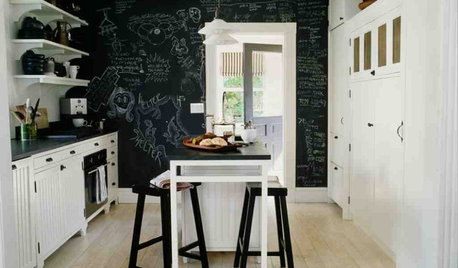
reader_in_transit