

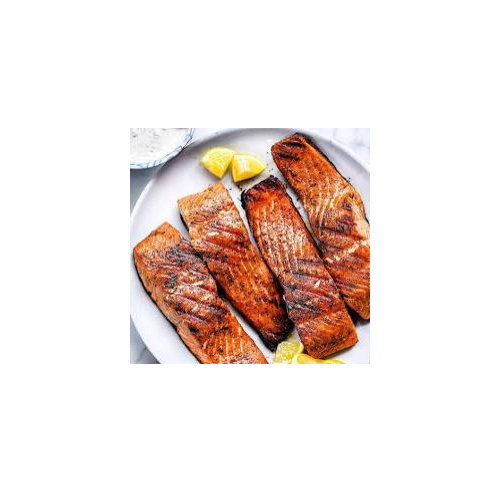
Salmon: Bake it. Grill it. Sear it in a pan. What do YOU do with it?
7 months ago
last modified: 7 months ago
Featured Answer
Sort by:Oldest
Comments (36)
Related Discussions
Wolf range with grill ~ how to clean do u use it??
Comments (2)This probably won't be much help because my cooktop grill experience was years ago with a Jenn-Air. It was awful to clean and I would never ever again have one. Wolf may or may not be a different story, but I'm sure others will chime in. If you are going to mainly use it for quick extra meals, a burger or 2, a small steak I would just get a separate grill pan. I have an All-Clad and love it! Use it constantly, easy to clean in the sink, and one of the best purchases I have ever made. There is just the 2 of us and we now rarely use our outdoor grill- steaks, chicken, veggies, burgers all come off the grill pan with a nice sear and are delicious. My mind still boggles at the thought of cleaning that Jenn-Air built-in grill....See MoreWhole Salmon Fillet...... best way to cook it?
Comments (36)I am much too late to be of any help to starlightfarm with her salmon dinner, but here is a really good recipe for a whole salmon. Salmon Baked in Foil Source: Minneapolis Star Tribune 1 whole salmon, 6-8 lb and cleaned 1 c sliced carrots 1 c sliced onion 1 c sliced celery ½ tsp fresh thyme Salt to taste 8 peppercorns, crushed 1 garlic clove, crushed 1 bay leaf 2 c dry white wine Preheat oven to 400F. Cover a baking sheet with foil. In bowl combine carrots, onion, celery, thyme, salt, peppercorns, garlic, bay leaf and wine. Place cleaned salmon in center of baking sheet, stuff with vegetable mixture and seal foil tightly around salmon. Bake 50-60 minutes or until salmon is opaque in thickest part. Remove from oven and cool. Once cool, remove skin from fish and serve warm or chilled with Hollandaise or your choice of sauce. Makes 8-10 servings. Linda...See MoreWhat to do with Salmon
Comments (22)I never cook salmon in a skillet - but then I don't like it crusty. If I bake it in an oven, I add lemon juice, minced dill, black or white pepper, capers, and dot the top with butter (skin side down). I cover it with foil and bake until done - generally about 15 minutes at 350°, depending on thickness. Usually I grill salmon, preferably outside over charcoal. I always put the salmon skin side UP at first and flip only once. I season with olive oil, white pepper, and dill (no salt). I find that salt detracts from the flavor of salmon, and I serve it with lemon, which takes the place of salt. Or I serve it with tartar sauce, which has salt from the dill pickles in it. If I'm grilling inside (instead of over charcoal), I sometimes make it teriyaki style, with a marinade of soy sauce, lime juice, ginger, garlic, and black vinegar. I don't add anything sweet, and so it's probably not a true teriyaki, but I think the fish is sweet enough. Sometimes I add a bit of hot sesame oil, but a little goes a long way, and the sesame can easily overpower the salmon flavor. Lars...See MoreLOOKING for: Zucchini....what do you do with it?
Comments (28)I've made the recipe Compumom mentioned, from Jain, I think! Delicious! Big hit here, too! I found this one online looking for a restaurant in NYC. Never did get to the restaurant yet but the recipe is great! and very easy! I don't exactly follow it! I just pour, no measuring! I don't bother to refrigerate it, just mix it all up in a bowl and serve! Nice light side dish! We love it! ZUCCHINI CARPACCIO Fig & Olive (NYC) Serves 4 1 pound Zucchini 4 tablespoons Pine Nuts 6 tablespoons Parmesan Reggiano Cheese (flakes) 3 tablespoons Lemon Juice 9 tablespoons Extra Virgin Olive Oil Cut the Zucchini with a salamander or carefully with a knife into finely sliced penny-thin wafers, with the skin left on. In a bowl combine the olive oil (use a fruity olive oil with no bitterness or peppery taste) and the lemon juice. Evenly spread the zucchini slices across a 9 x 9 inch plate. Cover the plates with a plastic film and put in the refrigerator. Toast the pine nuts for a few minutes in a pan to slightly brown them and develop their flavor. Right before serving, take the plates out of the refrigerator, wash the zucchini with the lemon & oil dressing, season with a pinch of salt and freshly ground pepper. Spread 1.5 tablespoons of shaved parmesan cheese and 1 tablespoon of toasted pine nuts on each plate....See More 7 months agolast modified: 7 months agoNiCOZ5 thanked carolb_w_fl_coastal_9/10
- 7 months ago
- 7 months agolast modified: 7 months ago
- 7 months ago
- 7 months agolast modified: 7 months ago
- 7 months agolast modified: 7 months agoNiCOZ5 thanked carolb_w_fl_coastal_9/10






Related Stories
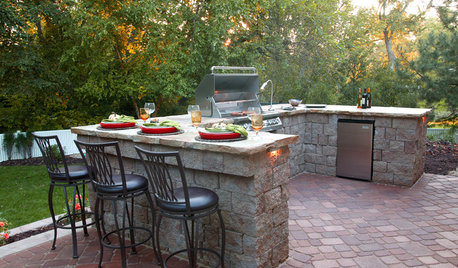
OUTDOOR KITCHENSYour Guide to Grills and More for Great Outdoor Cooking
Learn the pros and cons of gas versus charcoal grills, and about neat add-ons that let you do more
Full Story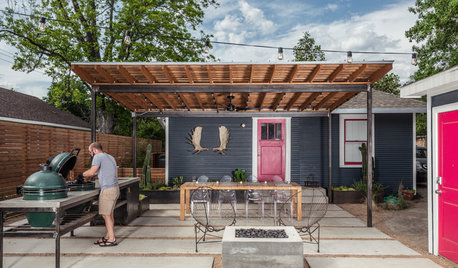
OUTDOOR KITCHENSHouzz Call: Please Show Us Your Grill Setup
Gas or charcoal? Front and center or out of the way? We want to see how you barbecue at home
Full Story
KITCHEN DESIGNJump-Start Your Kitchen With These Minimalist Essentials
These kitchen tools will get you started on your path to culinary success or delicious downsizing
Full Story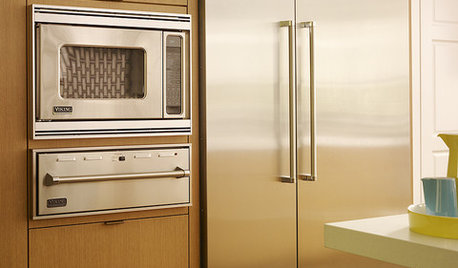
KITCHEN DESIGNA Cook’s 6 Tips for Buying Kitchen Appliances
An avid home chef answers tricky questions about choosing the right oven, stovetop, vent hood and more
Full Story
KITCHEN APPLIANCESFind the Right Cooktop for Your Kitchen
For a kitchen setup with sizzle, deciding between gas and electric is only the first hurdle. This guide can help
Full Story
HOLIDAYSFeast Your Eyes on Holiday Dishes Around the World
See traditional Christmas and New Year’s favorites from different countries, along with festive holiday table decor
Full Story
KITCHEN DESIGN20 Kitchen Must-Haves From Houzz Readers
We asked you to tell us your top kitchen amenities. See what popular kitchen features made the list
Full Story
HOUSEKEEPINGHow to Clean Your Range and Oven
Experts serve up advice on caring for these kitchen appliances, which work extra hard during the holidays
Full Story
KITCHEN APPLIANCESConsidering a New Kitchen Gadget? Read This First
Save money, time and space by learning to separate the helpers from the hassles
Full Story
KITCHEN DESIGNA Designer Shares Her Kitchen-Remodel Wish List
As part of a whole-house renovation, she’s making her dream list of kitchen amenities. What are your must-have features?
Full StorySponsored

Columbus Design-Build, Kitchen & Bath Remodeling, Historic Renovations
Sherry8aNorthAL