

Another food safety question—pepper jelly
8 years ago
last modified: 8 years ago
Featured Answer
Sort by:Oldest
Comments (7)
Related Discussions
Jelly/boilover/dirty water question
Comments (11)I left about 1/2" (maybe slightly more, but not below the bottom thread) for Annie's Salsa, and I forget what Ellie Topp's Tomato Basil sauce was but I followed the recipe on that. It's just a shock to take rings off jelly jars or pickles and find the liquid just above the bottom lip, or even lower, just barely hidden by the ring, when I know I filled them to somewhere in between that and the top thread (1/4" plus or minus 1/8")! Applesauce seems not to have increased (or that much) headspace, but the headspace isn't clear, you can see where it's boiled up. I'd have to really look at apple butter I have left - I don't remember off the top of my head how much headspace is left, but both apple products and tomato products boil up and leave residue in the headspace. Pickling spices get left up there too, and pickling liquid is reduced so headspace is almost doubled. Since even the jars I have measured dead-on have increased headspace (not quite double, for example I leave 1/4" for jelly and then later it ends up just at the bottom thread which is almost 1/2") after processing, and I'm careful about the rings and such, the only thing I can think of is that the pressure/temperature is varying? Is this a problem with glass-top ranges? I've only had 1 jar (apple butter) come unsealed (within a week) so it seems vacuum is OK, but I don't really like having pickles sticking up above the brine, residue in the headspace area on apple & tomato products, and just lots of empty space at the tops of jelly jars....See MoreIs GMO corn cobs safe for corn cob jelly?
Comments (18)I finally made some last summer with Silver Queen cobs after stripping the kernels. Turned out tasting kind of like cornbread, pop corn, roasted corn, etc. And it was light brown in color, like chicken broth. Not sure I'll ever make it again, but I might try it with red cobs instead of sweet cobs and see if there is a difference. Now that I've been watching DD&D and seeing how some restaurateurs make soup bases by simmering cobs, shucks, and silks, I might have to add a lot more than just cobs to try next time. Young stalks are actually quite sweet and juicy in spots. About the time baby corn is ready, the stalks are edible. Or at least not too fibrous yet. I had Trucker's Favorite volunteers last fall that grew about a month when I was picking. Really interesting....See MoreWhole Foods To Label GMO Foods
Comments (33)Thanks for the link Annie, I checked it out, and as of the date of that article, Seminis did sell to Territorial and Johnny's as well as Fedco. It could be that a couple of the brassicas I just bought from Fedco, as well as the Lollo Rosa lettuce from Burpee could have come from Seminis. I will have to call the companies and check. A short snippet from the article Annie posted: " Taking spinach into his own hands: Nash Huber doesnâÂÂt want to get stuck depending on a hybrid that might get dropped by a mega-company owner on a whim. He also doesnâÂÂt want to lose any of the vigor, disease resistance, etc. that hybrid has provided. So Nash is working on dehybridizing �" breeding an open-pollinated spinach that is well adapted to his needs. (pictured: Huber, left; Matthew Dillon, right) Posted February 22, 2005: The news of MonsantoâÂÂs agreement to purchase Seminis has received little attention from the media other than the financial pages and a few seed industry and anti-globalization web sites. But then again, why should it? How many consumers �" of food or seed �" have even heard of Seminis? And yet, as Seminis spinmeister Gary Koppenjan said, âÂÂIf you've had a salad, you've had a Seminis product." It is estimated that Seminis controls 40 percent of the U.S. vegetable seed market and 20 percent of the world market�"supplying the genetics for 55 percent of the lettuce on U.S. supermarket shelves, 75 percent of the tomatoes, and 85 percent of the peppers, with strong holdings in beans, cucumbers, squash, melons, broccoli, cabbage, spinach and peas. The companyâÂÂs biggest revenue source comes from tomato and peppers seeds, followed by cucumbers and beans. In large part, these numbers reflect usage of Seminis varieties within large industrial production geared towards supermarkets, but Seminis seeds are also widely used by regional conventional and organic farmers as well as market and home gardeners. JohnnyâÂÂs, Territorial, Fedco, NicholâÂÂs, Rupp, Osborne, Snow, and Stokes are among the dozens of commercial and garden seed catalogs that carry the more than 3,500 varieties that comprise Seminisâ offerings. This includes dozens of All-American Selections and an increasing number of varieties licensed to third parties for certified organic seed production. The brand-name companies under Seminis (such as Petoseed) have developed, released, produced and distributed varieties common to the market farmer and even home gardener. These include Big Beef, Sweet Baby Girl and Early Girl Tomatoes; Simpsons Elite and Red Sails Lettuces; Red Knight and King Arthur Peppers; Gold Rush and Blackjack Zucchinis; Stars & Stripes Melon; and Bush Delicata and Early Butternut squashes (see sidebar for other popular varieties)." So home gardeners DO have to check their seed, these are very popular varieties though the article is NOT saying that these......See Morepepper jelly failures
Comments (27)I found this forum trying to figure out why my pepper jelly would not gel. I tried using different recipes, different pectin and all I could think of then yesterday I made my first batch that has gelled wonderfully and tastes great. I used pectin from Pacific Pectin and used their recipe with great success. The only parts I changed is that I did water bath for 5 minutes and added approximately a half ounce extra of the pectin. I also prepared the peppers with a blender rather than a food processor for courser pepper chunks and less liquid. The jelly set up the same evening. PEPPER JELLY 1/3 cup (2oz. weight) Pacific Pectin Mix 1 ¾ cup Cider Vinegar 4 ½ fl. oz. Water 7 ½ cups Sugar 3 cups Peppers (prepared*) COOKING INSTRUCTIONS 1. Combine water and vinegar. 2. Stir in Pacific Pectin Mix and heat to boiling. 3. As soon as boiling begins, add peppers. 4. Bring back to a boil. 5. Slowly add the sugar in two parts. 6. Continue heating and boil 1 1/2 minutes (cook to 65 brix;3.2 pH; 220° F sea level). 7. Stop heat. 8. Skim and pour mixture into jars. Jars may have to be inverted occasionally to suspend pepper pieces. * Note: there are many combinations of peppers that produce different colors, flavor, and heat. A typical combination is 2 1/2 cups prepared bell peppers and 1/2 cup prepared jalapeño pepper. To prepare, cut peppers in half and discard seeds and stem. Cut into small pieces or chop with a blender. A few drops of food color may be added if a deeper color is desired....See More 8 years agolast modified: 8 years ago


Related Stories
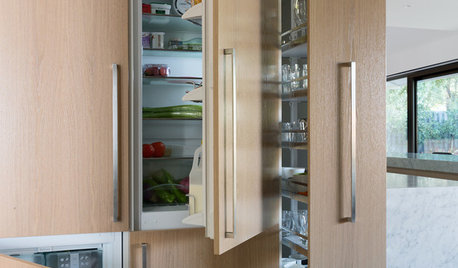
KITCHEN DESIGNHow to Waste Less Food
Here are 9 relatively painless ways to throw away less food and stretch your grocery dollars
Full Story
REMODELING GUIDES6 Tricky Questions to Ask When Planning Your New Kitchen
Addressing these details will ensure a smoother project with personalized style
Full Story
DOORS5 Questions to Ask Before Installing a Barn Door
Find out whether that barn door you love is the right solution for your space
Full Story
WORKING WITH PROS12 Questions Your Interior Designer Should Ask You
The best decorators aren’t dictators — and they’re not mind readers either. To understand your tastes, they need this essential info
Full Story
ARCHITECTURE5 Questions to Ask Before Committing to an Open Floor Plan
Wide-open spaces are wonderful, but there are important functional issues to consider before taking down the walls
Full Story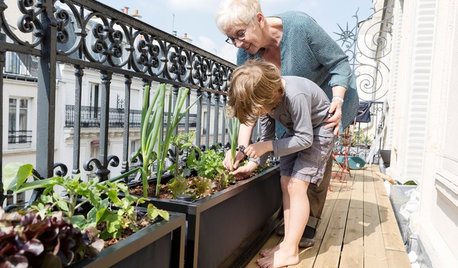
UNIVERSAL DESIGN10 Questions to Ask Before Sharing Your Home With Aging Parents
Honest conversation is key to deciding whether it makes sense to have your parents move in with you
Full Story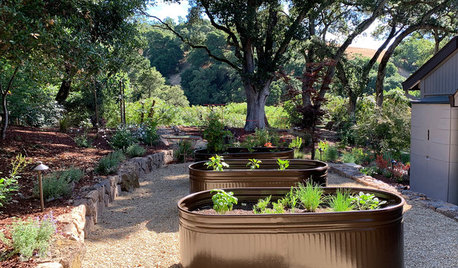
FARM YOUR YARD6 Things to Know Before You Start Growing Your Own Food
It takes time and practice, but growing edibles in the suburbs or city is possible with smart prep and patience
Full Story
HEALTHY HOMEGet the Lead Out: Lead Safety at Home
Keep your family safe by properly testing for and dealing with lead in old painted surfaces, water and soil
Full Story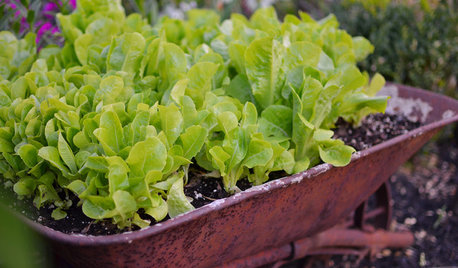
GARDENING GUIDESYes, You Can Grow Food in a Shady Yard
Your shady garden doesn’t have to be forever barren. Berries, herbs and other shade-loving plants can produce a delicious bounty
Full Story

annie1992