

Sourdough starter for dummies...
9 years ago
Featured Answer
Sort by:Oldest
Comments (35)
- 9 years ago
Related Discussions
Can I feed my worms Sourdough starter?
Comments (6)I know this thread is very old, but it's one of the only really relevant links to come up when you google this. After never finding a satisfactory answer, I just tried it in my indoor plastic tote worm bin (made from 2 nested 10 gallon totes from Lowes http://www.lowes.com/pd_332449-61896-332449_1z0yly3__?productId=3276019&pl=1), and the worms adore sourdough starter. At first I thought something was wrong because every worm in the bin ended up in a giant, writhing mass where the starter was put down, but it turns out they were just super excited to eat it. It gets kind of hot, though, so be careful with quantity if the temp where you keep your worms is high. You'll see more condensation in the bin with the starter in there. I've put down up to 1/4 cup with no bad consequences to my bin. I don't know about larger quantities--I would guess it depends on the size of your bin and worm population. I had no problems with odor generally, but there can be a funk for a while if you uncover just the area where the starter is--probably because it can cause a wet, sludgy spot. I've since started to take out some older bedding and mix it into the starter before putting it down. The worms seem to prefer to eat the castings/organic matter/bedding that has soaked up the starter rather than eat the starter itself anyway, and it helps me control moisture better. If I notice that the spot with the starter is getting compacted and funky, I fluff it, and it seems to nip the problem in the bud. Anyway, I'm sure this is no help to the original poster anymore, but maybe this will help the next person who Googles for the answer to whether it's OK to feed sourdough starter to the worm bin....See MoreThings to make c/discarded sourdough starter?
Comments (151)This looks to be #150, so I'll start another sourdough thread with pie segue. :) Cathy, I know the liberated feeling you're talking about! I had it when I started these experiments with the discard. I do as I please with most baking recipes, usually to success. I don't have Grainlady's technical knowledge nor Ann's experience and expertise, but I know that if you control the basics, it'll come out. My mother's challah is so tetchy, however, that controlling it is enough without messing with it. A cousin did that when I was young, and tried using it as a base recipe for other breads, and they were breads, but I didn't really like them. You have to know how to not handle the challah (no typos there) to make it work out right. Add to that the old miseries of using cake yeast and I never messed with yeast dough before. I really liked the figgy loaf! Worrying about keeping the yeast alive rather than if I was going to ruin the bread was great. But that was one of those very soupy things, and if I try that again, I'll use less water/more flour. :) It's interesting that so many people think more hydration means lighter bread and more holes! That's the opposite to what I've experienced so far. Leader, like the ciabatta recipe, works the dough and develops the gluten. Controlled hydration seems to work better for me, and I definitely think the miche was too wet given how much better it got as it dried out. I had similar issues with the pizza recipe. One of the ones I tried, which was the result of much study in a pizza working group, was something like 90% hydration of whole wheat (though not soupy!). It was a very sticky dough and had to be made in a pan. It was not at all comfortable with toppings, though it was okay par-baked. Totally wrong for me, and it didn't have a good enough baked texture to stick with. It's not like my pizza recipe is low hydration. Just comparatively low. It's around 70% hydration. Cathy, I agree that inhaling pizza of any kind is frightening! Thank goodness for the widespread publicity for the Heimlich Maneuver! The miche is peasanty, as in plain old bread. I'd be happy to make the pain de levain for you! That has much more complexity even though it's mostly white. It's very yummy! The miche isn't as flavorless now, but it's not stand in line worthy, unfortunately. Next time. It was supposed to be record setting heat this weekend, but we're having monsoon influence, instead. Not the actual monsoons, which are farther South, but damp and cooler. Spaghetti and meatballs and ciabatta sounds delicious and decadent right now! (Decadent because two starches--my mother never served bread with pasta.) My favorite way to eat ciabatta, however, is with a goodly layer of good butter and an even thicker layer of powder grated good parmesan. This is the breakfast the Italian stewards on the ocean liner tempted my mother with when she was underfed and ill and returning home. I am not underfed, so I don't indulge, but the slightly salty, slightly sour bread with the sweet butter and salty, umami parm is just amazing. (Okay, I'm not underfed, but I haven't had breakfast...) Standing in line for the ciabatta... The gyros-ish meatloaf came out fine. It would have been better with more fat (who says that?), but the meat that needed using was very lean. I suppose I could have added some butter, but who does that? Not I. It's tasty, though. I didn't go full out on the seasoning (i.e., used the recipe) because I'd never made this recipe before. It could be kicked up a bit, but the flavor is about right. The leanness means I can be generous with the oil and grill some up later. :) No yoghurt sauce since since there are no pita either and my cucumbers and dill both bit it in the fridge. Tomatoes, onions and peppers will be fine. :) Ann, one lesson I learned best from you is to just put things in the fridge. Fermenting yeast things, that is. Just put it in the fridge. It's the most freeing thing I've learned recently. I've read all about it, of course, and the pizza recipe is one that's meant to develop in the fridge, but the way you just whip up a levain and throw it in the fridge until you're ready, or make up some do and go off to work, with instructions to Moe for when to take it out. Of course it's a given that cold retards yeast, but so much of my bread life until now has been about keeping yeast warm and cozy and encouraging it to rise, retarding the rise in the fridge to manage the slow process of sourdough is a revelation. Thank-you! Edited to add link and fix weird typo. This post was edited by plllog on Tue, Aug 5, 14 at 20:51...See MoreHave you tried using sourdough starter in a
Comments (11)I'm sure your starter is fine, but I think you'll find that after a year it'll be that much finer, especially if you stress it occasionally (let it go a little too long between feedings) to thin the herd. :) My own journey is a big old muddle of learning wild yeast (sourdough starter) and whole wheat at the same time, combined with water restrictions that made me look for ever less cleanup. Whole wheat actually requires at least eight hours of soak (in the liquid of the recipe) or rise, to fully hydrate, along with some acid to reduce the anti-nutrients. Along the way, I experimented with a number of traditional recipes, some white or with a large enough percentage of white to handle the same as white, many of which I documented in this forum (search on 'sourdough"). What worked for me was making a preferment (i.e., biga or levain--The Kitchn says "leaven") in the evening, and baking in the morning. I can't remember the timing well, because I have a bad relationship with mornings. There are some hours involved for the dough to rise. It only rises as fast as commercial yeast when you're counting on it not to! My best advice is twofold: One, get in the habit of baking bread so that it becomes part of your rhythm, and you'll have it ready before your chicks turn up hungry. The other is just to try some recipes and learn what it is you all like best. There may be one that does it for your daily bread, or a base dough that you can make up differently as in the 5 minutes method, or it may be a rotation of different flavors and textures. While learning one at a time seems wise, there's also something to be said from learning a bit from each thing you try and bringing the total learning back around when you try them again. Nine people, minimum, if I got that right, is plenty to be experimenting on, and should give you plenty of scope for learning what you're doing. So, do you want sour or just good bread with wild yeast? Sour takes some time to work, remember the rule of less starter = more sour taste requires longer rise. If you have your starter on the counter and feed it every day (maybe twice a day while it's young), you'll be ready to bake a lot sooner. I don't quite agree with some of what is said at The Kitchn about starter. It is an acidic environment (not "likes" one). It's also not finicky once established. While it's young, you have a number of organisms fighting for supremacy. The yeast will win, and as it strengthens, it'll do away with new organisms introduced in feedings without any protest. Once it's established, it's very hard to completely kill. Just feed it up and it'll start burping again. I'll also mention, that no matter the original source, all wild yeast in starter is the same kind. The whole location thing is silly. "San Francisco" sourdough is the name used for really really sour. That's about how hungry the yeast is, not the location (French fries aren't from France, either, though, I believe they got their name because frying was in vogue in France at that time, just as really sour bread was commonly made in San Francisco, and they did up beans mighty fine in Boston). Rather than getting too wrapped up in how long the process is going to take, it's best to just go with what you know and work it into your life. Eventually, you'll be able to adjust the timing. Like maybe you know if you set your dough to rise at noon, it'll be ready to bake after the school run, and before dinner. Or that if you make your levain after breakfast, you can mix the dough up after dinner, and bake after breakfast the following day. Also, have some interim breads, either quick to produce commercial yeast breads, or bisquits, waffles, cornbread, or whatever it is you can fill in with if your bread just isn't ready yet, while you're learning. You'll get there....See MoreUsing refrigerated sourdough starter?
Comments (20)I'm coming into this late and sleepy, so please forgive me if I misread something. If you have an underfed starter, it will smell boozy and may have gray liquid on top. That's alcohol, and part of die off. It's harmless. Grannies used to drink it for a short of free booze. You can stir it back in or pour it off., but definitely feed your starter more often. Once it's well established it can go a long time in the fridge, but if it even smells boozy rather than sweet, keep it out and feed it twice a day until the booziness goes away to keep it strong and the yeast healthy. If you have water on top, or starchy water, rather than booze, which is almost unheard of but could happen, you just have more hydration than the flour can absorb. You can hydrate less or use a more absorbent flour, or compensate with a little less water in your loaf. I don't like the slurry texture at 100% hydration, though I never got loose water from it. I keep my whole wheat starter at 80% and my white starter at 70%. Re the original question, what Gardengal said is standard practice. So too is making a pre-ferment with the starter and some of the flour and water from the recipe. That's after feeding the starter. What that does for you is allow the yeast to multiply without tackling the whole of a loaf of bread. It strengthens the final rise as well. BUT, you can use your starter right out of the fridge if you really want to, and skip the pre-ferment. The starter won't be active until it warms up, and the amount of flour around it could shock it a bit, but it will eventually rise if you leave it alone in a warmish place. It might take a few days, but it will rise. Baking with sourdough starter is not fast, especially if you;'re not baking daily from a warm active starter. Patience, and letting the dough rise in its own time, is key....See More 9 years agolast modified: 9 years ago
- 9 years ago
 9 years ago
- 9 years agolast modified: 9 years ago
- 9 years agolast modified: 9 years ago
- 9 years ago
- 9 years agolast modified: 9 years ago
- 9 years ago
- 9 years ago
- 9 years ago
- 9 years ago
- 9 years agolast modified: 9 years ago
- 9 years ago
- 9 years ago
- 9 years ago
- 9 years ago
- 9 years ago
- 9 years ago
- 9 years ago
- 9 years ago
- 9 years ago
- 9 years ago
- 9 years ago
- 9 years agolast modified: 9 years ago
- 9 years ago
- 9 years ago
- 9 years ago
- 9 years agolast modified: 9 years ago
- 9 years ago
- 9 years agolast modified: 9 years ago
- 9 years ago
- 9 years ago
- 9 years ago

Related Stories

HOUZZ CALLWhat Bad Habit Is Driving You Absolutely Nuts at Home?
You may be noticing some unfortunate behaviors in the people you are sheltering in place with. Share your struggles!
Full Story
HOUSEKEEPINGHow to Clean Your Kitchen Cabinets
Learn the techniques for keeping stained, painted and laminate cabinets in tiptop shape
Full Story
FUN HOUZZDon’t Be a Stickybeak — and Other Home-Related Lingo From Abroad
Need to hire a contractor or buy a certain piece of furniture in the U.K. or Australia? Keep this guide at hand
Full Story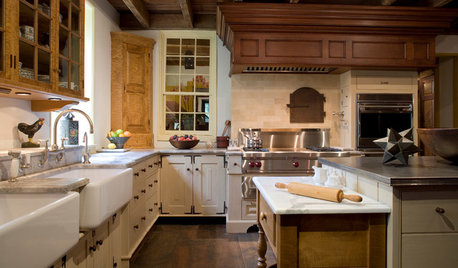
KITCHEN DESIGNHow to Create a Dedicated Baking Station
Avid bakers love having a designated kitchen space. Here’s what to consider when planning yours
Full Story
KITCHEN DESIGNWorld of Design: Favorite Recipes From Food Lovers Around the Globe
Travel with your tastebuds and experience for yourself these international foodies' favorite dishes
Full Story
DECORATING GUIDESSingle Design Moves That Make All the Difference
One good turn deserves a whole ideabook — check out these exceptional lone moves that make the room
Full Story
GARDENING GUIDES4 Herb Container Gardens for Fabulous Global Cuisine
Tingle your taste buds with the unbeatable taste of fresh herbs in your Italian, Asian, Mexican or French fare
Full Story
FARM YOUR YARDHello, Honey: Beekeeping Anywhere for Fun, Food and Good Deeds
We need pollinators, and they increasingly need us too. Here, why and how to be a bee friend
Full Story
HOUZZ CALLHow Are You Passing the Time at Home Right Now?
Share your thoughts about how you are coping with stress and staying grateful during this difficult time
Full Story
DECORATING GUIDES12 Deadly Decorating Sins
Are your room designs suffering from a few old habits? It may be time to change your ways
Full Story



plllog