

bulk roasting chicken parts
10 years ago
Featured Answer
Sort by:Oldest
Comments (34)
 10 years agolast modified: 10 years ago
 10 years ago
Related Discussions
Do you turn your chicken when roasting?
Comments (28)I did initially, breast side down, then midway through baking breast side up. Stopped doing that as it's something of a hassle and the chickens were fine... but last time I did turn it - my personal experience was that it was far more moist throughout - I had forgotten how much more, and makes for better leftovers, but that's just my opinion. I do cook mine in a CSO (cuisinart steam oven), and still have to cover the breast area with foil so it won't get too dark. Islay, my DH wants to marry you ; ) Bacon. I think that's all I need to say : )...See MoreRECIPE: Chicken Soup -can you subsitute chicken parts?
Comments (8)You can use any part of a chicken that you find on sale for making chicken broth. I buy packages of chicken necks & backs just for making broth. Not a whole lot of meat, but it really doesn't matter if you simmer the broth for several hours. By the time you're done, the meat has pretty much given up all its flavor. If your goal is to make broth & use the meat for soup, I think legs, and especially thighs, are a good choice. They are more flavorful than breasts and hold up to long cooking. As far as too much broth, you don't need to fill your dutch oven. Just make the amount of water equal to what you want to finally end up with. Or, you could make a larger amount and freeze the extra broth. However, there's absolutely no reason why you can't use a smaller saucepan with just a few pieces of chicken. I think browning the chicken pieces either in the stock pot or in the oven adds a richer flavor to the chicken broth. I always include a chunked up carrot, onion, and celery stalk, along with a bay leaf, some whole black peppercorns, and a couple of whole allspice. The longer you simmer the broth, the deeper and fuller the flavor. I usually strain the broth using a strainer lined with some cheesecloth & toss all the solids. However, if I have used some really meaty chicken pieces, I remove the bones & skin and set the meat aside for use later. Then I refrigerate the broth overnight & scrape off the congealed fat. If I'm making soup with the strained & de-fatted broth, I'll use fresh vegetables....See MoreSmoked and Roasted Chicken
Comments (10)Maybe sometime I will show photos of the Jenn air rotisserie unit. I’d like to fashion/create/manufacture/kludge together some adjustable bracket. I want (I guess I want?) a couple of different heights to where the pins or end of the roto unit fit, so that I can have a way to adjust the heat (well, in the case of a static level fire as with charcoal. I guess if propane, I can just turn the flame down. Yes, I think the roating, self basting of a rotisserie must give great flavor. In Chestnut Hill, MA therenis a deli sort of place with a rotisserie cooking ribs, chicken and whatever. I’ve nevered ordered food there beyond coffee, but have been tempted to do a smash and grab on the rotisserie set up. I guess Webber sells a charcoal kettle that will accept a Webber rotisserie unit. But, I don’t want to spend the money since I already have two Jenn Aire roto units. I’m just lacking the hardware to support the units and a means to fasten it securely to the grill/heat set up. Maybe some metal garden fence posts, some sheet metal and a rivet gun. Or I could get 6 bottles of wine and a friend and I can spend an hour rotating a chunk of meat manually. In August heat....See MoreRoast Chicken (Or Simple Dishes Are Often The Best Dishes)
Comments (15)Beautiful ! Lemon in the cavity , butter, lemon-pepper seasoning yumm - the crispy skin you achieved looks divine! Did you cook to the recommended 165? I ask because that has been confusing to me, I've been going up to 175 or even 180 and it still seems juicy and not overdone. I guess it's about finding the right spot to measure but more than once we've had a 165 degree bird seem underdone . We do our roast chickens out on the weber grill these days in a cast iron skillet (our oven is temporarily off limits because my son objects to gas and we just can't decide what to do about that) . I found the recipe from Le Pichet in seattle, so simple where they roast it at 500 degrees for an hour (their birds are consistently 4 pounds from a local farmer?) and baste with plenty of butter - it's been hard to go wrong, even if we have to cook our typical 5 pounders for 1.5 hours....See More 10 years agolast modified: 10 years ago
- 10 years ago
 10 years ago
 10 years ago
- 10 years ago
- 10 years ago
- 10 years ago
- 10 years ago
 10 years ago
- 10 years ago
- 10 years agolast modified: 10 years ago
 10 years ago
- 10 years ago
- 10 years ago
- 10 years agolast modified: 10 years ago
- 10 years ago
- 10 years ago
- 10 years ago
- 10 years ago
- 10 years ago
 10 years ago
 10 years ago
- 10 years ago
- 10 years ago
- 10 years ago
- 10 years ago
- 10 years ago
- 10 years ago
- 10 years agolast modified: 10 years ago
- 10 years ago
- 10 years ago
Related Stories
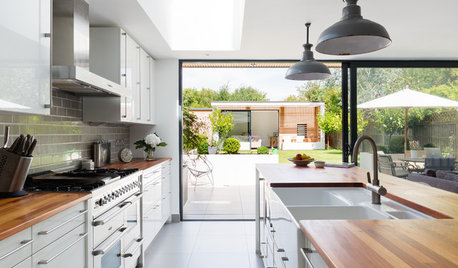
KITCHEN DESIGNA Designer Shares Her Kitchen-Remodel Wish List
As part of a whole-house renovation, she’s making her dream list of kitchen amenities. What are your must-have features?
Full Story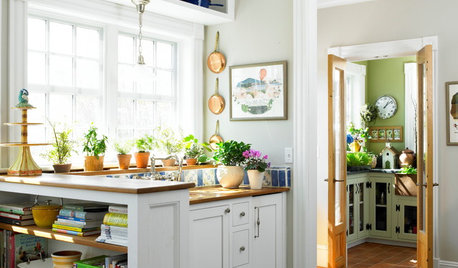
HEALTHY HOME12 Ways to Set Up Your Kitchen for Healthy Eating
Making smart food choices is easier when your kitchen is part of your support team
Full Story

HOUSEKEEPINGHow to Clean Your Cookware So It Lasts
Avoid damage during everyday cleaning and stain scrubbing, with these tips for pots and pans made of popular materials
Full Story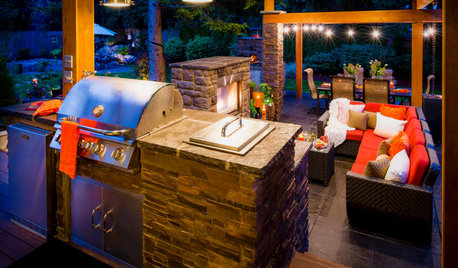
GARDENING AND LANDSCAPINGShow Us Your Labor Day Barbecue Party
We want to see how you celebrate the unofficial end of summer in your outdoor living space
Full Story
KITCHEN DESIGNA Cook’s 6 Tips for Buying Kitchen Appliances
An avid home chef answers tricky questions about choosing the right oven, stovetop, vent hood and more
Full Story
KITCHEN DESIGNHow to Care for Your Countertops
Holiday cooking: Follow these 10 tips to keep your kitchen counters clean and looking their best
Full Story
KITCHEN DESIGNKitchen Luxuries: The Wood-Fired Pizza Oven
If you love homemade pizza and are (ahem) rolling in dough, a wood-burning oven may be just the right kitchen investment
Full Story
ENTERTAININGHow to Throw an End-of-Summer Moroccan Mixology Party
An event planner creates an evening of interactive cocktail-making fun for his guests
Full Story
HOUZZ TOURSHouzz Tour: Cottage Comforts on the Jersey Shore
Subtle coastal touches and layers of natural materials warm up this charming home
Full Story

Islay Corbel