

Proportions of refrigerated starter, flour and water
11 years ago
Featured Answer
Sort by:Oldest
Comments (12)
 11 years ago
 11 years ago
Related Discussions
How much sourdough starter to make sponge?
Comments (38)Ginny, the reason there are so many different ways to do things is that there are a lot that work. Having had a starter going for over a year now, I've found that it isn't that picky. For example, your original question of how much starter to add to make the sponge. It isn't critical. If the amount added is very small, then the sponge will take longer to double because it's starting out with very little yeast. If you add a lot and your starter is a wet one, then you may need to adjust the amount of flour you add to the bread later to get the dough right. I keep my starter in a glass jar in the fridge because it is a convenient size. I'm skeptical about the "no metal" thing. I wouldn't use a reactive metal, but I've stirred with stainless steel and haven't found it to do any harm. I sometimes let my dough rise in a stainless steel bowl. I was a bit worried about whether my starter survived chemo. I only managed to get it out once during the last 5 months when I went through several cycles of fed and double until it was doubling quickly again. Yesterday I finally got it out of the fridge again. It took a while to double (the house is pretty cool at this time of year too) but by this morning it had doubled. It is pretty hardy stuff....See MoreConsistency of sourdough starter/sponge
Comments (19)Susy, I also often add flour by hand after doing most of the kneading (or after sitting, for a no knead loaf), and don't have any trouble. I make sure that I have at least half of the flour in before kneading, so that I get enough gluten development for the bread to rise, and mix in the new flour well enough that I don't get flour pockets in the finished loaf. I think starting the recipe with all of the water and part of the flour is a helpful tool in several situations. If you're kneading by hand, it's almost impossible with a very stiff dough. You can go for 20 or 30 minutes and bruise your knuckles and the bread still won't rise. A wet dough (and wet hands!) is so much easier. If you've got sub-optimal tools, also. A cheapo hand mixer can't handle dough, but you can use it to whir up all the water mixed with half the flour and save yourself some elbow grease. As long as it's thick pancake batter consistency, you're getting some gluten development. Many stand mixers struggle with stiff dough. You can do most of your kneading with the loose dough, then knead in some extra flour toward the end. Adding different amounts of flour also allows you to use the same dough for a bunch of different uses. With my no-knead dough, I can add no flour and bake it in a loaf pan, add a little and make a free-form loaf or a pizza crust, or add a lot and make bagels. I'm not very familiar with bread makers, but I think over time you'll figure out the easiest method. If you've got a good strong motor on your bread machine and you prefer to measure your ingredients, once you iron out your recipe, putting everything in from the start may work perfectly for you. I'm more of a fly-by-the-seat-of-my-pants kind of gal. I hope you'll come back and brag about your loaves, and maybe show us some pictures. We love that! :-)...See MoreIt happened Again! ***Sourdough Starter
Comments (28)OT.. :) Michelle I did not want to start a whole new thread, but I know you said you like white bread and even though I was in a hurry to watch the playoffs last night and should have let this bread rise a little more, this is one of the best white breads I have made. Buttermilk White Bread 2 packages yeast 1 Tbsp. sugar 1/2 cup warm water 4 cups unbleached flour 1 tsp. salt 3 Tbsp. melted butter 1 1/2 cups buttermilk Combine yeast, sugar and water and let proof for 5 minutes. Mix flour, salt, melted butter and buttermilk until smooth and then add yeast mixture. I used my KA dough hook and kneaded for 10 minutes. Turn out into large buttered bowl, roll dough around till well coated with butter. Cover bowl and set in warm place for 2 hours. Punch down the dough, turn out on floured surface and pat gently into rectangle. Fold in ends and then sides of bread, pinch seams together. Put into buttered loaf pan and let rise to double in bulk. Bake at 375 degrees for 30 minutes....See MoreSecond semi-fail with home ground flour.
Comments (14)Annie, I've found there's a lot of differences between the wheatberries from different farms. If yours aren't working, you might try finding one with a tested for that crop higher protein level. These might not apply to you, but are some of the things I've learned for 100% whole wheat, home milled, bread: If you mill at home, and aren't looking for a sweet flavor, you don't need any sweetener. What the honey is for in a lot of recipes is hiding the bitterness that whole wheat flour develops when it sits awhile (weeks) and starts to go rancid. A little acid, besides dealing with the anti-nutrients, works as a dough conditioner and retards mold growth (if we leave an end long enough to mold it's the free flour on it where it starts, not the bread itself). Ascorbic acid is fairly easily found as vitamin C crystals. I figure a jar may last me forever. It does add a little complexity to the flavor, which you might notice as acidity, but won't taste sour like vinegar. Handling the risen dough as little as possible, helps keep the gluten from being cut. It does not like "drawing a tight cloak". Like that saying about teaching a pig to dance, drawing it around like that just annoys the bread--the gluten breaks rather than stretches. A better way to shape, if necessary, is by folding, lightly. Do your best not to degas because it may not reinflate. If you're willing, adding vital wheat gluten makes up for the deficiencies of the protein content of the wheat. Re hydration, I always do a soak. A soak is where you either make up the dough for a long rise (at least 8 hours), or just combine the flour and liquid and let that set for at least 8 hours. This can be done in or out of the fridge. It takes awhile for the wheat to hydrate and what seems too dry turns damp and sticky. Whole wheat also takes more hydration than white. The best proportion I've been able to find, and have been using, but haven't tested extensively enough to know for sure from my own hands is 5 tsp. water for every cup of whole wheat flour that you substitute for white flour. Also be careful of the rise. If it doubles, it's probably too far gone. Aim for half that (1.5 times the original bulk). Maybe a little more. I haven't found a lot of good recipes, but that's common to all of the ones I do have, and if I miss and it gets to double on the rise, I don't get any oven spring. Oh, and no double rises. It doesn't want to be punched down. I found this recipe in a surprising place when I was looking for a low cleanup (water saving) daily bread: http://www.instructables.com/id/100-Whole-Wheat-Crusty-No-Knead-Artisan-Bread/ It's a good recipe. I've been playing with it, adding in other grains, and mixing in seeds and all. Overdoing that can also interfere with the rise, but I've got it to where I like it, and I prefer the multigrain flavor. I don't know if any of that is helpful to you. I've been on the same journey for a year, and had some sourdough flats of my own. :) Great sympathy here!...See More- 11 years ago
- 11 years agolast modified: 11 years ago
- 11 years ago
 11 years ago
- 11 years ago
- 11 years ago
- 11 years ago
- 11 years ago

Related Stories

PRODUCT PICKSGuest Picks: The Well-Stocked Starter Kitchen
We’ve got all the kitchen basics and tableware you need (or that recent grad needs) to make cooking a joy
Full Story
KITCHEN DESIGNHouzz Call: What’s Cooking in Your Kitchen?
Most of us turn to recipes, videos and culinary shows when we cook. Where do you set your cookbook, tablet or TV screen?
Full Story
KITCHEN PANTRIES80 Pretty and Practical Kitchen Pantries
This collection of kitchen pantries covers a wide range of sizes, styles and budgets
Full Story
HOUSEKEEPINGBaking Soda: The Amazing All-Natural Cleanser You Already Own
Battle grime, banish odors and freshen clothes with this common nontoxic cupboard staple
Full Story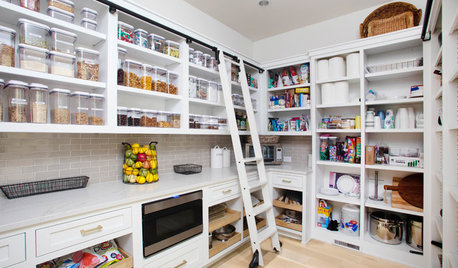
KITCHEN DESIGN9 Questions to Ask When Planning a Kitchen Pantry
Avoid blunders and get the storage space and layout you need by asking these questions before you begin
Full Story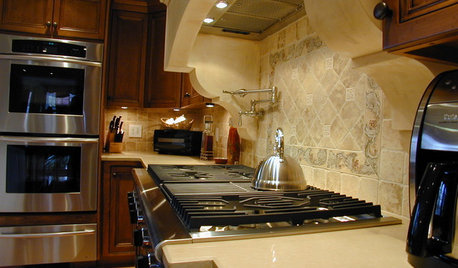
KITCHEN DESIGN8 Kitchen Design Tips for Foodies
If you own at least one pricey knife and have a slew of kitchen tools, you’ll want to read this
Full Story
MOST POPULARHow Much Room Do You Need for a Kitchen Island?
Installing an island can enhance your kitchen in many ways, and with good planning, even smaller kitchens can benefit
Full Story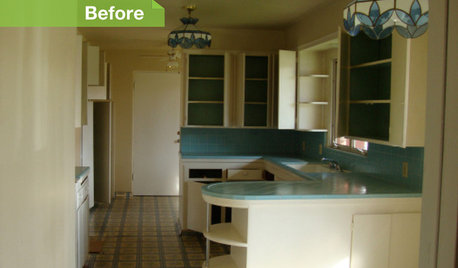
KITCHEN DESIGN24 Dramatic Kitchen Makeovers
From drab, dreary or just plain outdated to modernized marvels, these kitchens were transformed at the hands of resourceful Houzzers
Full Story
KITCHEN DESIGN7 Strategies for a Well-Designed Kitchen
Get a kitchen that fits your lifestyle and your design tastes with these guidelines from an architect
Full Story
HOME TECH3 Kitchen Contraptions You Won’t Believe
Pizza hot from the printer, anyone? These cooking gadgets harness imagination and high tech — and have price tags to match
Full Story
User