

Too warm for suet, feed chickadees what??
15 years ago
Featured Answer
Sort by:Oldest
Comments (18)
 15 years ago
Related Discussions
When and What to Feed for First Feeding in Spring?
Comments (15)Everyone is just guessing, since no one knows a thing about your soils. We're not growing corn! Adding complete fertilizers without a soils test is a crap shoot, pure and simple. Yes, most soils will need some kind of nitrogen early in the season. A modest amount of nitrate nitrogen works well. As for phosphorus and potassium, it really depends. My roses don't need it at all, so paying money for fertilizer they don't need is a complete waste of money. Many fertilizers have increased in price two to three times over the past two years. If a soils test isn't possible, and often you're told nitrogen can't be measured (then I don't know how my soils chemist does it), get a general idea from the local agricultural extension office which fertilizers are generally needed. Here is a link that might be useful: UConn soils testing...See MoreCould it be too cold to feed or....
Comments (6)I'm thinking it was the move. It rarely gets much below the teens here, but when it does dip into the teens we actually have increased activity, especially if there's snow too. Did you change your food? Feeders also need to be somewhat near some kind of cover for the birds for them to feel safe feeding there. Did you move them away from any cover -- too out in the open?...See MoreWhat do you put in your suet?
Comments (7)Thanks for the info Ginni. I'm also a pet owner. Not all these items would necessarily be used for suet, nor is this list all inclusive, nonetheless these are additional food items that should never be fed to dogs as they may be toxic and/or fatal: Fish -- If fed exclusively or in high amounts can result in a thiamine (a B vitamin) deficiency leading to loss of appetite, seizures, and in severe cases, death. Cat food - generally too high in protein and fats Raisins / Grapes / Currants - kidney damage Avacado - vomiting and diarrhea Hops - Unknown compound causes panting, increased heart rate, elevated temperature, seizures, and death Mushrooms - Can contain toxins, which may affect multiple systems in the body, cause shock, and result in death. Onions and garlic - Contain sulfoxides and disulfides, which can damage red blood cells and cause anemia. Cats are more susceptible than dogs. Garlic is less toxic than onions. Nuts, including and especially macadamia Chocolate/coffee/tea/caffeine - toxic to heart and nervous system fat trimmings (Pancreatitis) Human vitamins with iron - Can damage the lining of the digestive system and be toxic to the other organs including the liver and kidneys Milk or dairy products Salt - can lead to elecrolyte imbalances Sugars or artificial sweeteners (hypoglycemia or liver failure) yeast dough Table scraps are not nutritionally balanced. They should never be more than 10% of the diet. Fat should be trimmed from meat; bones should not be fed....See MoreMom and Dad blue feeding babies suet
Comments (3)Ha... a certain symptom of the madness I think ;) Our fledges sure do eat suet, (got 8 of them buzzin' around here now! what a joy they are!) They eat suet nuggets and the shavings that pile up beneath the suet cages where the woodies and many other birds eat. Missy and Mr.B also feed the fledges nuggets and seemingly teach them to help themselves too: I believe I've seen the parents carry some to the nestlings also. They are soft and moist... easily broken into smaller bites. But every bluebird that's out of the nest usually gulps them down whole. Doesn't seem to have harmed anyone here yet. Kenn :)...See More 15 years ago
- 15 years ago
- 15 years ago
- 15 years ago
- 15 years ago
- 15 years ago
- 15 years ago
 15 years ago
- 15 years ago
- 15 years ago
- 15 years ago
- 15 years ago
- 15 years ago
- 15 years ago
- 15 years ago
- 15 years ago
Related Stories
GARDENING FOR BIRDSFeed the Birds: 6 Plants for Abundant Winter Berries
Be kind to your fair feathered friends during lean food times by planting a shrub or tree loaded with nutritious snacks
Full Story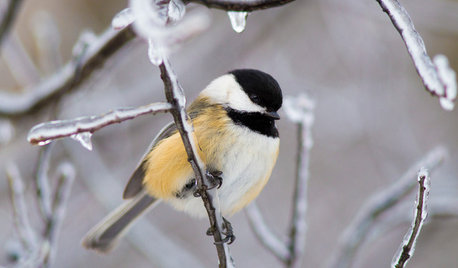
GARDENING FOR BIRDSBackyard Birds: Marvel at Chickadees This Winter
These North American natives flock to bird feeders and entertain with their complex birdcalls
Full Story
GARDENING AND LANDSCAPINGBackyard Living: The Scoop on Chicken Coops
Perk up your morning with fresh eggs and chickadee clucks when you build a chicken coop in your own yard
Full Story
LIFEShare Your Winter Storm Jonas Photos and Survival Tips!
Let’s see your pictures and hear your ideas on how you’re keeping your house warm and staving off cabin fever
Full Story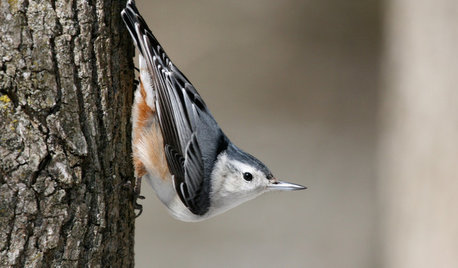
GARDENING FOR BIRDSBackyard Birds: Those Nutty Nuthatches
The North American songbirds, which often perch upside down, make themselves known in the winter landscape
Full Story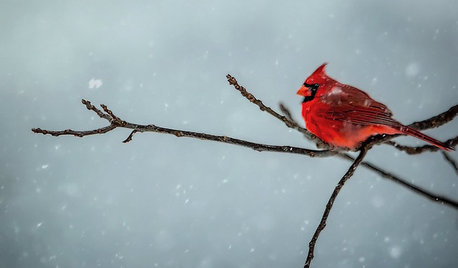
GARDENING GUIDESBackyard Birds: Northern Cardinals in the Snow, and Other Red Birds
Brilliant crimson feathers make these friends stand out in a crowd
Full Story
HOUSEKEEPINGTo-Dos: Your September Home Checklist
Boost the comforts of home for fall with a few of these ideas for stocking up and staying cozy
Full Story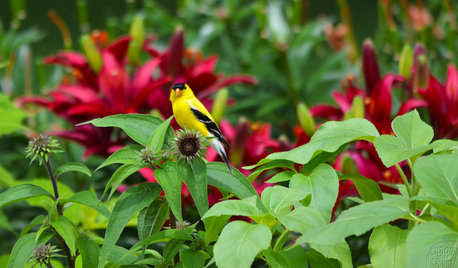
GARDENING GUIDESBackyard Birds: How to Care for American Goldfinches
The American goldfinch is a bright-in-the-summer visitor and one of the only vegetarian songbirds. Here's how to give them a healthy habitat
Full Story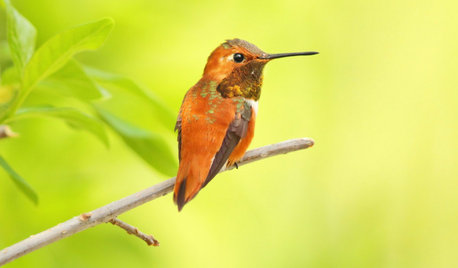
GARDENING GUIDESBackyard Birds: Invite Entertaining Hummingbirds Into Your Garden
Hummingbirds — unique to the Americas — zip through open landscapes seasonally or year-round. Here’s how to attract them
Full Story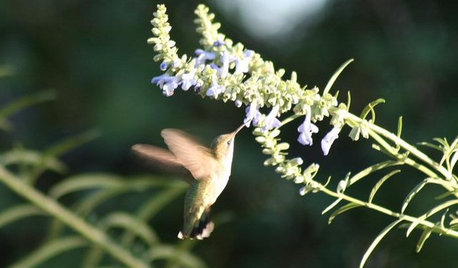
GARDENING FOR BUTTERFLIESA Quick-Start Guide to Bird-Watching for Fun and Learning
Set out some seed and grab your field guide. Bird-watching is an easy, entertaining and educational activity for the whole family
Full StorySponsored
More Discussions
birding_nut