

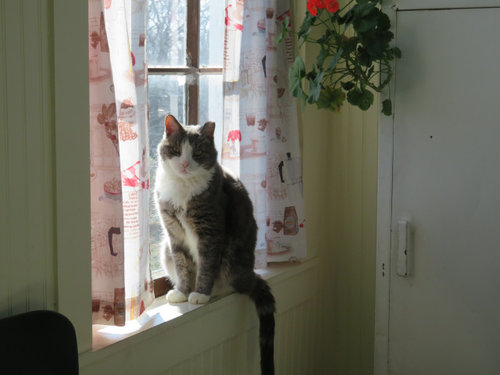
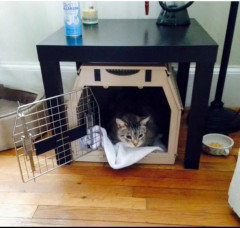
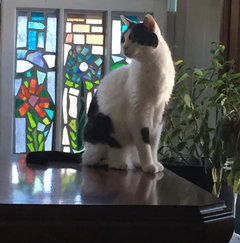
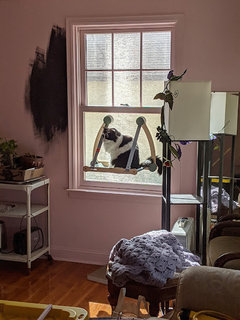
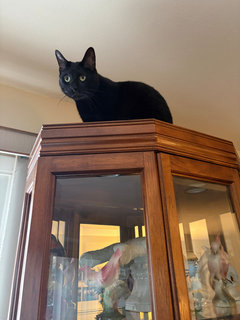
Just a cat on a window sill
5 months ago
Featured Answer
Sort by:Oldest
Comments (31)
Related Discussions
Do you have Granite window sill OR wood sill ?
Comments (14)Wood for me, for the same reasons that joanne mentioned - suits our old house. We had wood sills in the old kitchen over the that were quite old and did not have any issues with water damage, moisture, etc. I think it will depend not just on durability but the overall look and feel of your kitchen. old sills new sills Eliz...See MorePlant for the window sill of a South facing window
Comments (15)So, I had the COT in the wall pot for about 4 months, but recently moved them into my succulent dish to make it look better and to kinda keep all my succulents in one place. It's basically in the exact same exposure as it was here on the wall, but with a little more direct sunlight as the windows are longer and not obstructed by a roof. So thus again, I have an empty wall pot on the wall. I've tried looking for the other species suggested but found none of those. I guess I've miss judged the sunlight that enters my window as during the summer, almost no direct light enters my room while in late summer/fall/winter/spring, The wall pot plant would get full sun. I was thinking of moving it so it would allow me to plant a peacelily or other in there, but then I'd have a hole in the wall. So now I'm looking again. Are there any other types of plants beside succulents and Cacti that could go well here? The plant has to be a up grower and not trailing as of it were to trail it would trail directly below my window which gradually reduces the light levels. I'd put a sago Palm in it, but the top portion of the pot doesn't seem like a sago with its bulbous base could fit in there....See MoreUgly windows!! Replace windows or just replace sill and add trim??
Comments (2)You'll be so much happier with window replacement! Retrofitting is efficient and quick, and much less expensive than many homeowners realize. Give us a call if you have questions!...See MoreJoining pvc window sill/ box to drywall (as in a window return)
Comments (6)Agree with @hallettco can't tell anything from these pictures. One shows exterior siding with what looks like composite board butts to it? The other one it looks like composite board overlapping sheetrock if that's the case they should have used drywall end-caps, to get a nice, straight transition they come in plain or beaded corner something like this Or you can get a low profile edge cap at this point and paint it something like this or Drywall end caps is the way to go, the molding options just to cover up what you have now. Talk to your contractor ask them to slip the drywall end caps in they should be able to do that will give a better finish. Good luck...See More
































Related Stories
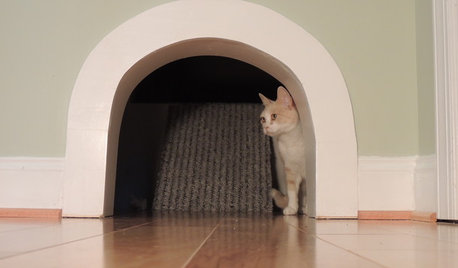
PETS15 Design-Friendly Places to Hide the Cat Litter Box
Built-in solutions include putting it in a cabinet, under the stairs, behind a wall and inside a window seat
Full Story
REMODELING GUIDES9 Creative Window Designs for All Kinds of Spaces
When standard windows just won't cut it, these innovative options are a breath of fresh design air
Full Story
WINDOW TREATMENTSHow to Hang Your Curtains Just Right
Learn key methods and measurements for fullness and stacking to get your window treatments on the right track
Full Story
MOST POPULAR7 Ways Cats Help You Decorate
Furry felines add to our decor in so many ways. These just scratch the surface
Full Story
WINDOWSArchitect's Toolbox: 3 Window Details That Wow
Elicit oohs and ahs when you make over your windows with low sills, tall heads and deep reveals
Full Story
KITCHEN DESIGNPut Your Kitchen in a Good Light With a Window Backsplash
Get a view or just more sunshine while you're prepping and cooking, with a glass backsplash front and center
Full Story
DECORATING GUIDESYour Guide to Window Treatments
The right window treatments can provide privacy, light control and safety — or just better style
Full Story
BEDROOMS7 Tips for Placing a Bed in Front of a Window
Whether it's the only option or just the best one, here's what to do with a window behind the bed
Full Story
PETSSo You Want to Get a Cat
If you're a cat lover, the joys outweigh any other issue. If you haven't lived with one yet, here are a few things to know
Full Story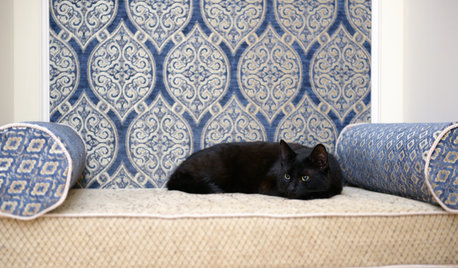
PETS10 Tips for Keeping Indoor Cats Healthy and Happy
It's National Cat Day: Ask not what your cat can do for you (because it will ignore you) but what you can do for your cat
Full StorySponsored

Central Ohio's Trusted Home Remodeler Specializing in Kitchens & Baths


KW PNW Z8