

Another coffee question - sources?
last year
last modified: last year
Featured Answer
Sort by:Oldest
Comments (53)
 last year
Related Discussions
Another question about Soil in the Woods...
Comments (12)dottie - I probably should have realized (from just common sense) that the "soil" under the leaves (the browns) need to be mixed with "greens" - I guess I was hoping that there would be more nutrients in that "soil" under the leaves - but it's probably just carbon - with a bit of clay if I scrape a little harder - which have some nutrients. I think I am going to grind my peanut shells too - with an attachment from our Vita Mix - but i also want to buy a large bag of bone meal to keep on hand. I love going into my woods and having an abundant supply of this beautiful "dirt" "soil" "composted leaves" - whatever you call it - - LOL Carrie...See MoreWhy would builder not want me to use another source for tile??
Comments (18)Bottom line is I believe he IS getting a kickback from his tile people. He told me the other night he needed to be paid for taking care of the materials and guaranteeing them... bull I know. He even said he would have to charge me more if we bought our tiles from the designer! He said we were getting into cost plus territory I spoke with my designer and told her that he would be calling her and that if he wants to add his "kickback" so we could use her we would go for it. I just went this am to see his tile person. The woman they use is a sales person. She is NOT a designer. I brought a list in with me to see what I would pay for each piece. I did not get that when I went in... but was assured I would not be paying the retail price on the tiles. So I assume based on the amount I purchase I get a discount. No one told me how much. I love both my designer and my builder and do not wish to give either of them up nor do I want them at each other's throats. I selected them each for the expertise. Both of them are excellent at what they do and I love what I see coming from both. I apologized to both of them for not introducing the two of them before hand. My Designer told me early on to let him know that she also sells items such as tile, counter tops and interior surfaces. I could have sworn we did. I think he forgot. Just got back from seeing his tile person. I went through the entire house and found pieces that were comparable to my decorator's plan and some were actually the same. (everyone has their own marble and travertine for instance) I actually found a few things I liked better particularly for a back porch area which I had yet to address with my Designer. What they don't have and I know they probably cannot get are the decorative accent glass pieces and backsplash I fell in love with. I was told that they are limited to specific companies. So I would never be able to get those pieces from them. What I plan on doing is having both of them total their tile up for the rooms. I may have to decide who we will go with after that. But I am leaning towards buying most of it from his tile place to make him happy and let him know I am going to buy specific glass accents or backsplash tiles from her. I am not sure how that will go over... but I will want I like. And if his Tile people don't have it then he will have to accept that. Our Builder gave us a fixed price to build the whole house and then added in some of the extras that we were doing ... cost for a custom staircase that he is building, stone frplace that he is building (still don't know if that includes the materials!), and for the extra glass and doors to enclose our LR and DR. Then he gave us a sheet that specified his allowances. He didn't even specify our countertop prices (said granite) and we had to call him for that price. We choose this builder specifically bc he does all his own wood (cabinets included). And the work is ALL custom done bc he has his own woodworking shop. His woodwork is stunningly beautiful. His contract gave us the allowances... $3.50 for tile per square foot which is LOW. And we will be going over. So I do not understand why it matters where we go to him. He did NOT specify ANYWHERE in the contract that we had to use HIS SUPPLIERS. He said it was assumed based on the contract. (Sorry that doesn't cut it!) Bottom line. His tile lady said we will not pay the price that was on the front of the tiles. We would get a discount. She said he does NOT get a kick back from them (something that some builders get... you pay for the tile and when he picks it up he gets a rebate or a commission fee back from the tile company). But for all I know they could be lying. All I want is what I fell in love with....See MoreAnother pull question - anyone know the source?
Comments (4)Top Knobs' Nouveau pull is slim and sleek. I'll link one of the sizes below. A little more on the chunky, but still attractive, is the Top Knobs Pennington and TK Princetonian. Google those to see what appeals. Here is a link that might be useful: Nouveau bar pull from Top Knobs...See MoreAnother AeroPress Coffee Question
Comments (3)I tried cold brewing coffee and wasn't impressed with the taste. I'm also not sure about this whole "low acid" idea with coffee anyway. I am supposed to be on a low acid diet for a health problem, and yet knowing what I know about digestion, "low acid" doesn't seem to make that much sense. I have my suspicions that it isn't the acidity, but the type of acid that bothers you, in which case the pH value might not be the culprit, rather the compounds of the acid itself. I don't seem to do too well with tannic acid--both wine and tea do me in, but coffee doesn't seem to bother me. Of course it is the same with coffee flavor, certain "acids" give coffee good flavor, others an unpleasant flavor. And then there is the individual taste factor. A lot of people don't like the pour-over method for the reasons you state, they believe that the water and coffee grounds don't interact long enough for optimum flavor extraction. This is why supposedly a french press is better. But I broke mine, and it was, for me, a pain to clean trying to get the grounds out of the bottom of it, I don't like pouring grounds down the sink. In fact, that is how I broke my french press, banging it to try and get the grounds to pop out!...See More- last year
 last yearlast modified: last year
- last year
 last yearlast modified: last year
- last year
- last yearlast modified: last year
- last yearlast modified: last year
- last yearlast modified: last year
 last year
- last year
 last year
- last yearlast modified: last year
- last year
 last year
 last year
 last yearlast modified: last year
- last year
 last yearlast modified: last year
 last year
 last year
 last year
- last year
 last year
- last year
- last year
- last year
 last yearlast modified: last year
- last year
- last yearlast modified: last year
- last year
 last year
- last yearlast modified: last year
- last year
- last year
- last year
- last year
 last year
- last year
- last year
- last yearlast modified: last year
- last yearlast modified: last year
 last year
- last year
- last yearlast modified: last year
- last year
- last year
- last year

Related Stories
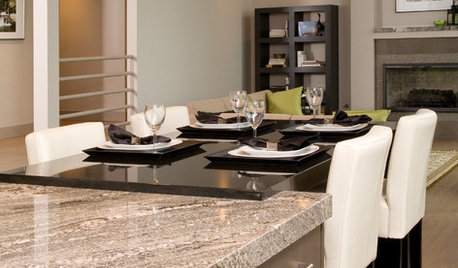
REMODELING GUIDES9 Hard Questions to Ask When Shopping for Stone
Learn all about stone sizes, cracks, color issues and more so problems don't chip away at your design happiness later
Full Story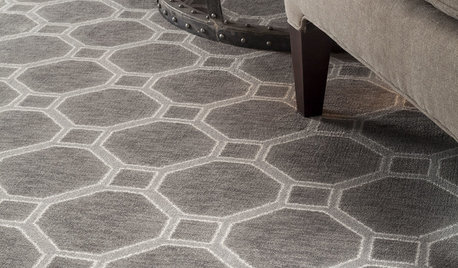
HOUSEKEEPINGDon't Touch Another Stain Before You Read This
Even an innocent swipe with water may cause permanent damage. Here's what to know about how rugs and fabrics react
Full Story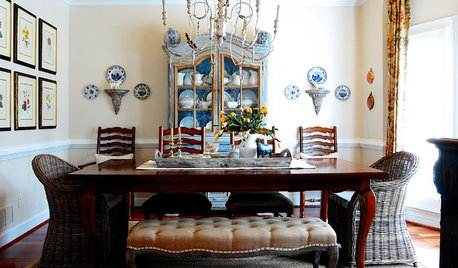
DECORATING GUIDES5 Questions to Ask Before You Design Your Dining Room
Set up your dining room with the colors, furnishings and artwork you love, and you'll never be hungry for style satisfaction again
Full Story
ORGANIZINGPre-Storage Checklist: 10 Questions to Ask Yourself Before You Store
Wait, stop. Do you really need to keep that item you’re about to put into storage?
Full Story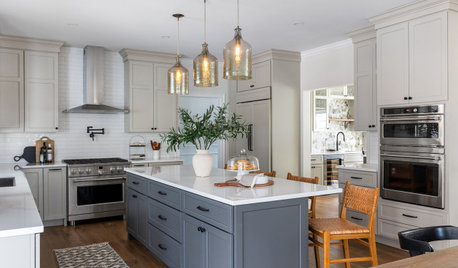
REMODELING GUIDES6 Tricky Questions to Ask When Planning Your New Kitchen
Addressing these details will ensure a smoother project with personalized style
Full Story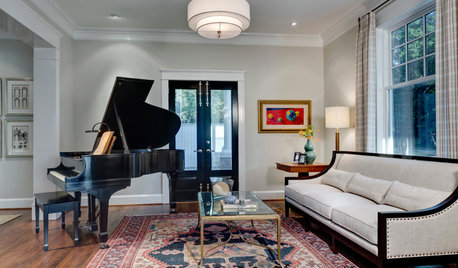
WORKING WITH PROS12 Questions Your Interior Designer Should Ask You
The best decorators aren’t dictators — and they’re not mind readers either. To understand your tastes, they need this essential info
Full Story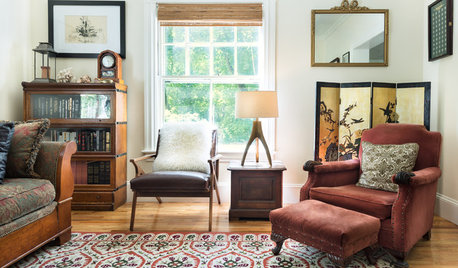
DECLUTTERINGCan’t Figure Out What ‘Sparks Joy’? Try This Question Instead
If you can’t decide whether to keep something or let it go, shift your perspective to find the answer
Full Story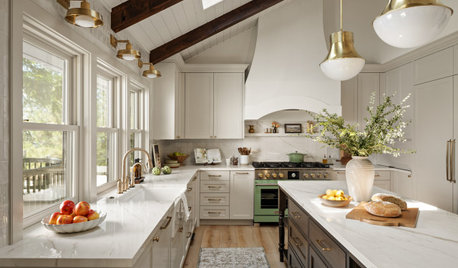
WORKING WITH PROS8 Questions to Ask Yourself Before Meeting With Your Designer
Thinking in advance about how you use your space will get your first design consultation off to its best start
Full Story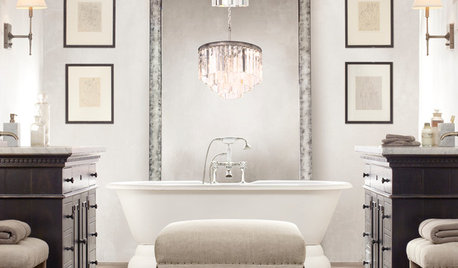
LIGHTING5 Questions to Ask for the Best Room Lighting
Get your overhead, task and accent lighting right for decorative beauty, less eyestrain and a focus exactly where you want
Full Story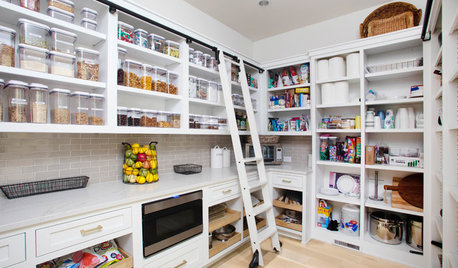
KITCHEN DESIGN9 Questions to Ask When Planning a Kitchen Pantry
Avoid blunders and get the storage space and layout you need by asking these questions before you begin
Full Story


foodonastumpOriginal Author