

Food Marie!! (Everybody Loves Raymond Reference)
6 years ago
Featured Answer
Sort by:Oldest
Comments (27)
- 6 years agolast modified: 6 years ago
Related Discussions
Everybody okay today?
Comments (18)Carol, I'm glad y'all are getting a safe room built. I don't mind the storm cellar and its' steep steps now, but I bet I won't like it much in 15 or 20 years. I suppose one of these days we'll build an above-ground safe room too. I am afraid of fire too and Thursday it got way too close to us. We had taken dinner (chicken enchilada casserole!), snacks, water and Gatorade to a small (about 15) group of firefighters at the far western end of the wildfire and found them (and us) almost totally surrounded by flames on all sides. It was scarey for a few minutes. A fire chief from one of the local depts. tried to lead us back east but we got to where visibility was zero and fire was on both sides of the road. It was nerve-wracking and I'll never go into such poor visibility in a fire again. Finally, we turned around and headed back west on Pike Rd., then came back south on Hwy. 76 until we hit Hwy 32 at Leon and could safely go back to town that way. Then we reloaded and took meals to the firefighters at the east end of the fire. Usually we stay at the Incident Command Post where the Incident Commander and tankers are staged. Thursday's fire moved too fast, though, and the firefighters were constantly running from one fire to another, so we chased them down and gave them meals, snacks and drinks. It was insane. Sally, I am a registered, insured member of the fire department but I do not fight fires. I am the support person who does what is known as "Fire Rehab" which basically means making sure the firefighters have water, Gatorade or Powerade, snacks and meals. It also means watching them medically and having the Incident Commander or medics pull them out of a fire scene if they are developing heat exhaustion or smoke inhalation issues, or other medical issues. I always try to carry a bucket of wet towels to cool them down. Fire Rehab is essential and, yet, most "civilians" don't even know it exists as an official function. Firefighters burn huge amounts of calories and also sweat out a lot of water. It takes a lot of drinks and food to keep them functioning, especially if a grass fire or wild fires last for hours and even days. Our firefighters have been out every day since about April 2nd, I think, and our county's rehab personnel have stayed busy just trying to keep them fed and hydrated. I follow both the fire weather forecasts, via several fire-related websites, and the fire activity in our county very carefully and prepare accordingly. Most days, if I think fires are going to happen, I start the firefighter's meals around 8 a.m., often baking cookies, muffins, coffee cake, cobblers, etc. in the morning and then starting a pot of soup or stew or chili around 11 a.m. so I can take them lunch, or pour it into a crockpot to keep it warm for dinner. Sometimes I make them non-crockpot meals like chicken or sausage balls or whatever. On days that an unexpected fire pops up and I haven't been cooking, they get cold cut sandwiches or hot dogs or hamburgers--whatever is quickest. This week their favorite meals were Chicken Tortilla Soup, which was their Sunday night dinner, and 15-bean soup with sausage which was their Monday night dinner. They are smart firefighters, though, and eat and drink whatever they are given and are happy to have it--even if it is peanut butter and jelly sandwiches. I do kind of spoil them with the home-baked goodies, but they are worth it. On Thursday morning, my friend Fran who does Fire Rehab for our dept. along with me, made Chicken Enchilada and Beef Enchilada casseroles, and I made taco soup and three kinds of cookies. When the fires broke out and our pagers went off, we already had 4 coolers of iced-down bottled water and Gatorade on the truck, 10 additional cases stacked up beside the coolers to refill them as we used up the cold drinks, a 5-gallon jug of sweet tea, and 6 cases of snacks. Then we threw our prepared meals into the truck and left. When we arrived at the staging center at our local elecric co-op building, the co-op employees who'd opened up their community room to serve as a Rehab Room were confused about how we already had that much food and drinks ready seemingly instantly. We just said "We knew this was going to happen today, so we got up and starting cooking about 8 a.m." They looked at us questioningly like "Are you psychic?" but we didn't have time to explain. If we'd had time, I would have told them that, after a week of non-stop fire, and with a Red Flag Fire Warning issued by the NWS, and with steady wind in the upper 30s and gusts forecast to be in the 40s to upper 50s, it was clear fire would happen in our county and it would be catastrophic. My husband is a professional law enforcement officer/firefighter (in his dept. everyone used to be cross-trained to do both, although budget cuts don't allow that any more) and my son is a professional firefighter. My hubby also is the chief of our local volunteer fire department and our son is a volunteer firefighter with the same dept. If I didn't do Fire Rehab, I'd never even see DH or DS during fire season. : ) In our county, there's a very dedicated group of about 15 people who do Fire Rehab for every fire of any duration, and there are additional people who help out with the really big fires. The largest group of people we generally feed is maybe 50 to 75 firefighters and other personnel like police and medics. This year, though, we've had several bigger-than-average fires that required a bigger-than-average response. I am tired and ready for it all to be over. Fire season normally runs thru May though, so we may not be finished yet. Today's rains have really helped though. I hate fire and it scares me, but the thought of our firefighters being out there all day without drinks and food is unacceptable, so I almost always end up out there with them. Dawn...See MoreConvenience foods you love
Comments (70)jadeite, a lot depends on which brand of oyster sauce and kecap manis you're using. I've noticed the small glass bottles of ho yau (oyster sauce in Cantonese) almost never spoil. But I buy it in gallon cans, and decant it into smaller squeeze bottles - and if I leave any of it out, it DOES spoil. Nice little gray-green fuzzies appear! I think it's the higher sugar content and corresponding lack of salt, which of course differs between brands. Since practically everyone in CA is on a low-salt diet [grin], I am usually going with brands that taste less salty than others. Note that even low-sodium soy keeps (virtually) forever, btw. Also, the Chinese make a sweet soy (the label will call it exactly that) is a direct sub for the Indonesian kecap manis. If you ever find the Pearl River Bridge brand of lite soy sauce, it has a surprisingly sweet taste for a regular soy. I've switched to it in place of kecap manis as it's a little more versatile in the dishes we make at home....See Morethank you everybody for a great place to visit and talk food! (lo
Comments (17)Thank you, Sherry, my long lost sister. (grin) I've learned much from you too, like perseverence in the face of adversity, and being willing to always open your door to any friend, and that we both love molasses cookies and that it's way better to travel with a friend. I've also learned a lot. I've learned that Peppi's Dad is even more amazing than Karen's chili, and that's pretty darned amazing. I've learned lots of Sven and Olie jokes from Linda (doucanoe), and Elery's favorite food is now sushi thanks to Diana, Jessica, Lars, Scott, Gina, Ann, Ellen and the California contingent. Jessica and her number 1 son gave me a better understanding of kosher and David taught me....well...we'll just keep that a secret, LOL. Nancy gave me my all time favorite jam recipe which is just awesome on sweet potato biscuits, something she also taught me. KatieC helped me with the Ph papers and canning, and Cathy taught me that some people peel asparagus, who knew? LOLOLOLOL SharonCB posted that awesome salmon quiche recipe which Elery loves and I'm going to have it for breakfast tomorrow, I think, so thanks for the reminder. Chase makes me want to do the Route 66 tour myself, so thanks a lot. Ahem. Carol (dishesdone) has adopted me for every Jewish holiday and showed me that gefilte fish really wasn't bad and the other Carol (Readinglady) has never given me bad canning advice or a bad bread recipe. Brenda taught me the difference between Michigan chili powder and Texas chili powder (grin) and there is a difference. So, thank you Sherry for starting this thread and thanks to everyone else for all yourhelp, your thoughts, your friendships. It's a great place, this forum! (The Old, Original) Annie Happy Everything to Everyone!...See MoreWhere's Everybody From?
Comments (138)You are from a long way from most posters here, Rishabh! My post was from just after I moved here to what used to be step-uncle's farm - fifteen years ago March 1st. I'm near London, Ontario, Canada, in southwestern Ontario - not far from 4 of the Great Lakes. Half way between Detroit MI and Toronto ON or Buffalo NY. I rent a farmhouse and can share use of a barn and shed with my landlord. ole joyful...See More 6 years ago
 6 years ago
 6 years ago
 6 years agolast modified: 6 years ago
 6 years ago
 6 years ago
- 6 years ago
- 6 years ago
- 6 years agolast modified: 6 years ago
- 6 years ago
 6 years ago
- 6 years ago
- 6 years ago
- 6 years agolast modified: 6 years ago
- 6 years ago
- 6 years ago
- 6 years ago
- 6 years ago
- 6 years agolast modified: 6 years ago
- 6 years ago
- 6 years ago
- 6 years agolast modified: 6 years ago
- 6 years ago
- 6 years ago
- 6 years agolast modified: 6 years ago


Related Stories

COLORBeyond White: With Tints, Everybody Wins
Light colors with just a trace of pigment add a subtle ambience. Here’s how to use tints to set a mood without darkening your space
Full Story
MOST POPULARWhy We Love Midcentury Modern Design
There's a method to all this 'Mad Men'-ness — just look to psychology, tough times and, believe it or not, Apple
Full Story
DECLUTTERINGA Pro Weighs In on Decluttering the KonMari Way
As Marie Kondo’s Netflix series sparks an organizing blitz, an expert discusses the practicality of 7 KonMari principles
Full Story
REMODELING GUIDES11 Reasons to Love Wall-to-Wall Carpeting Again
Is it time to kick the hard stuff? Your feet, wallet and downstairs neighbors may be nodding
Full Story
FRONT YARD IDEAS10 Ideas for a Front-Yard Edible Garden Your Neighbors Will Love
Choosing attractive, well-mannered plants and sharing the bounty will go a long way toward keeping the peace
Full Story
DECORATING GUIDESEasy Reference: Standard Heights for 10 Household Details
How high are typical counters, tables, shelves, lights and more? Find out at a glance here
Full Story
KITCHEN APPLIANCESLove to Cook? You Need a Fan. Find the Right Kind for You
Don't send budget dollars up in smoke when you need new kitchen ventilation. Here are 9 top types to consider
Full Story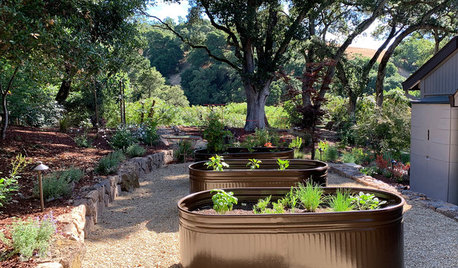
FARM YOUR YARD6 Things to Know Before You Start Growing Your Own Food
It takes time and practice, but growing edibles in the suburbs or city is possible with smart prep and patience
Full Story
LIFEWhat We Love (and Don’t) About New Year’s
Here are our favorite and least favorite things about ringing in the new year. What are yours?
Full Story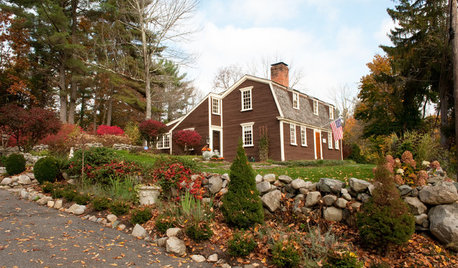
TRADITIONAL HOMESMy Houzz: Loving Efforts Restore a 1787 Farmhouse
Careful attention to original details preserves and revives a vacant New England home with a considerable history
Full Story
amylou321