

Creating a pre-ferment for a bread recipe
7 years ago
Featured Answer
Sort by:Oldest
Comments (14)
 7 years ago
 7 years ago
Related Discussions
Fermenting cucumbers
Comments (21)I have a Gartopf pickling crock and was getting ready today to make fermented dills pickles. And that's when my husband asked if I could make a sweeter pickle this year . . . and he also asked I could make them crisper (my prior attempt last year created a delicious edible pickle but they weren't very crisp). So my questions are two-fold: 1. What is the secret to a crisp fermented pickle besides: a) Using small cukes b) Using fresh cukes (I have approx 4 lbs of small cukes that were picked this week. Some of them are now a week old . . . will they crisp up?) c) Adding grape leaves or other tannin rich leaves to the crock d) Plunging the cukes in ice cold water for a couple of hours before adding to the crock e) Adding a chemical such as Pickle Crisp, which I suspicious of because the whole reason I can is to reduce my exposure to unnecessary chemicals. 2. I am tempted to try Linda Lou's recipe since it will satisfy my husband's desire for a sweeter pickle. a) Is this a very sweet bread and butter type pickle? Or is this more like a half sour garlic pickle? b. Why is Linda Lou's pickle recipe considered fermentation. I'm using the book "Wild Fermentation" as a guide and it would seem that the boiling water kills the lactic acid fermentation process. I really don't understand how Linda Lou's pickles ferment without salt either. c. I would imagine that if I poured boiling water into my crock it would crack. So what would I do in this case? Thanks to anyone interested in responding!! This post was edited by judydel on Sat, Aug 10, 13 at 12:42...See MoreBread Dough - Five Day Fermentation ....Pics
Comments (18)Ann T, I'm glad to hear that I'm not the only person who thinks sourdough is too "sour". I tried and tried to get a viable living starter and after I did, I didn't even like it very much! I haven't baked bread in a long time, Elery's been on a diet and since he loves homemade bread he has asked me not to make it . Since neither of us care for store-bought bread, it sure cuts down the bread consumption! Sandra, Grandma only baked basic bread during the winter, when the chickens weren't laying eggs and we didn't have an overflow of butter. All other times she made the rich farmhouse white bread with butter, eggs and milk, some sugar. I really have to make some bread soon. It won't look like Ann T's but I don't care, LOL, I'll eat the end piece off the loaf before I ever think to take a picture. Annie...See MoreRECIPE: Teresa, I made your English Muffin Bread recipe...
Comments (10)Emily, I'm sorry you had trouble. I think that too much flour might have been the problem. I know the recipe calls for 6 cups of flour, but whenever I make any kind of bread, I always hold back at least 1 or more cups. I only add more flour if I think the mixture is too, too wet. I forgot that I kind-of ran into the same problem you're describing. Even at the five cup stage, the flour mixture seemed more like a kneading dough than a batter. So I remember (now) adding about 1/4 -1/3 cup additional water to make it more batter-like. When I got the batter into the pans, I was so worried about over-proofing the dough. I didn't want to pop the pans into a hot oven and then watch the bread deflate. So I think I could have let the dough rise in the pans longer. I'm sorry you had trouble. Forgive me for not mentioning anything. This old gray mare's brain ain't what it used to be. I need to make a note on my copy of the recipe too or else the next time I make it, who knows what I'll remember. I hope you'll try the bread again. It really did turn out well. My biggest problem right now is that my husband keeps wanting to have "toast" snacks....See MoreDaily Bread
Comments (22)Our daily bread is challah. My husband makes a double batch almost every Friday (2 small loaves go to my son who lives nearby). When my other son's visit, he may even make a triple batch to make french toast for everyone and send a loaf or two home with them. I think my husband would happily have that as his only bread - there seems to be a trend here of husbands who prefer soft breads. Bit it isn't universal; one of my son's makes sour dough and really likes that. He has tweaked the recipe to use white whole wheat for part of the flour. If we have any other kind of bread, I make it. So I fill out variety for our daily bread. I've been working on perfecting bagels and rye bread. My bagels sometimes come out perfect and sometimes come out tasting fine but looking kind of bumpy. I think that happens when they have over-risen before boiling so I'm working on perfecting that timing. I'm pretty happy with my rye bread now. The secret to getting the right chewy deli rye texture is the choice of wheat flour for the bread. It needs a flour that isn't quite a whole wheat but that uses more of the grain than white bread flour. BC (before Covid) I was using first clear flour from King Arthur, but that was out of stock forever (King Arthur's website now says it is "sold out for the season." I've found that 110 flour from Central Milling produces good results. I tried it because some websites on flour types said that German 110 flour is equivalent to American first clear. I also do pita, naan, sour dough and whole wheat breads. I just made some naan and wasn't happy with the results; we replaced our ovens recently and I need to figure out what settings on my new oven work best for naan....See More- 7 years agolast modified: 7 years ago
- 7 years ago
- 7 years ago
- 7 years ago
- 7 years ago
- 7 years ago
- 7 years ago
 7 years ago
- 7 years agolast modified: 7 years ago
- 7 years ago
- 7 years ago

Related Stories
KITCHEN DESIGNCreate Your Own Checklist for a Well-Stocked Kitchen
Personalize the kitchen with your own must-haves from our list of top cooking tools, small appliances, pots, pans and more
Full Story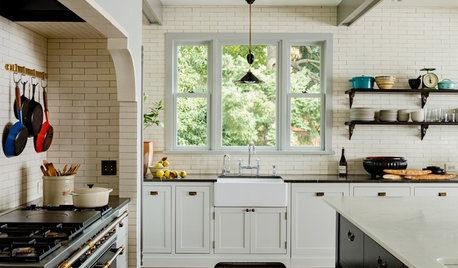
KITCHEN STYLESDesign Recipe: How to Get a Modern Farmhouse-Style Kitchen
Discover the essential materials, colors and finishes that make this popular style beautiful and functional
Full Story
HEALTHY HOME4 Ways to Create Healthy Habits at Home
Do these things to your home to make it easier to get enough sleep, exercise regularly, eat right and relax
Full Story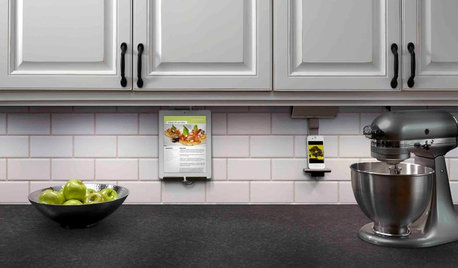
KITCHEN DESIGNHouzz Call: What’s Cooking in Your Kitchen?
Most of us turn to recipes, videos and culinary shows when we cook. Where do you set your cookbook, tablet or TV screen?
Full Story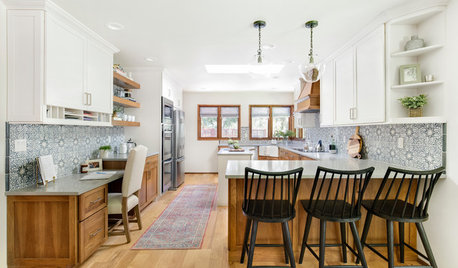
KITCHEN DESIGN6 Elements of an Effective Kitchen Office
Create a successful mini workspace with these features in mind
Full Story
ENTERTAININGBest-Laid Plans: Designing Menus for Memorable Meals
Master the art of creating menus that make every occasion run like clockwork
Full Story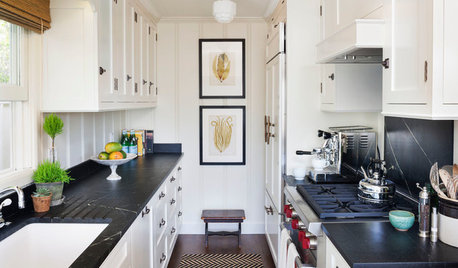
KITCHEN DESIGNWhy a Designer Kept Her Kitchen Walls
Closed kitchens help hide messes (and smells) and create a zone for ‘me time.’ Do you like your kitchen open or closed?
Full Story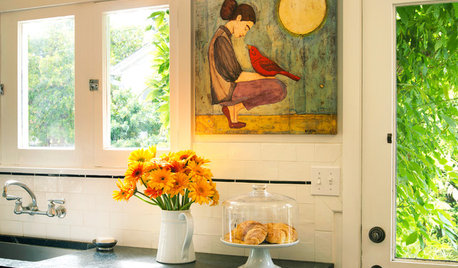
SIMPLE PLEASURESThe Art of Being Neighborly
Learn the heartfelt gestures that go a long way toward creating a welcoming community
Full Story
KITCHEN DESIGNWhy You Might Want to Give ‘Bokashi’ Composting a Try
Turn kitchen scraps into gardening gold with this low-maintenance, space-saving method
Full Story
HOME TECHMake Home Sweet Home Even Sweeter With a Brewery Or Winery
New high-tech products make small-scale home beer and wine production easy and fun
Full Story
agmss15