

Disappearing birds
8 years ago
Featured Answer
Sort by:Oldest
Comments (25)
 8 years ago
 8 years ago
Related Discussions
The Birds Have Disappeared
Comments (16)This year there has been an abnormal amount of natural food available for the birds so they are not coming to feeders as much as in the past. All of the berry crops are incredible as well as acorns, nuts,and seeds so they are using these sources of food now. I have gotten many calls from people asking why birds have deserted their feeders. I feel sure when weather becomes more severe with ice or snow and many of the natural foods are either gone or covered up, the birds will come back to the feeders....See MoreHummingbirds - where have they gone?
Comments (3)It`s quite possible they have moved on towards their wintering grounds. My Rufus are a no show today and I believe they are on their way to points south. Sure enjoyed them while they were here!...See MoreChickadee Bird House Box
Comments (20)Hi Cattyles - Like all our non-native pests, they were transported here. Some species by accident; some on purpose. English House Sparrows (HoSP) were introduced from England in the late 1800s by a Shakespearian group that performed plays in NYC's central park. Someone got the wild idea it would be great to have all the birds mentioned in the Bard's plays flying around the park. They imported them and released them in the park. All the species, except two - the European Starling - and the English House sparrows - died out quickly. These two aggressive species took off like wildfire. With the explosion of fast food places and shopping malls toward the late 1950s, the HoSP came into their own. Now every fast food place and big box garden center is literally crawling with them. Pink Mountain - I don't want to sound contrary, but my chickadees nest in a wooden box, set on a metal pole, 5' from my neighbor's busy garage. While it's not ideal, it is for them because of the safety. I keep clean bird houses and have illuminated the house sparrows in this little corner of town. They, like all cavity nesters, would prefer an old dead tree full of abandoned woodpecker holes, but that's not always possible. I wanted to bring one in, too, but there's just not room. HoSPs will nest anywhere, in bird houses, drain pipes, under roof eaves, trees, any sort of place at all. They will enter a cavity nesters "home" (they wrecked havoc on the woodpecker population, too) smash eggs or kill the young and pull their nesting material in right over the bodies. This picture doesn't show the birds, but this garage is on our property line. I have the bird house about 5' away from it. The neighbors are siding their garage, while a tree swallow is in the nest incubating her eggs. This is the box the chickadees use in the early spring. I've had a pair checking it out all week right now. After they leave the tree swallows arrive and take over. About 40 feet to the left I have another nest box attached to their privacy fence. It alternates each year between wrens or more tree swallows....See MoreBoth birds AND squirrels have disappeared from feeders
Comments (6)Where do you live? That's important to know. During summer the birds are molting and growing new feathers and may stay in hiding till they can easily fly. Some are staying with their babies fledging. And some have migrated. You also could have some raptors. Squirrels are rare this year by me. They come around when the tree nuts are ripe (acorns and hickory nuts.) You may be lucky enough to have some predators nearby that like to eat rodents (hawks, owls, coyotes, foxes, snakes, etc.) Wait till winter and see what returns to your feeders. There are a lot of seeds and insects out there now for them to eat. Around here we don't put out feeders till freeze because of bears who destroy them....See More- 8 years ago
 8 years agolast modified: 8 years ago
 8 years agolast modified: 8 years ago
- 8 years ago
 8 years ago
- 8 years ago
- 8 years agolast modified: 8 years ago
- 8 years ago
- 8 years agolast modified: 8 years ago
- 8 years ago
- 8 years ago
- 8 years ago
 8 years ago
 8 years ago
- 8 years ago
 8 years ago
- 8 years ago
- 8 years ago
- 8 years ago
- 8 years ago
- 8 years ago
- 8 years ago


Related Stories

MODERN ARCHITECTUREKeep Your Big Windows — and Save Birds Too
Reduce bird strikes on windows with everything from architectural solutions to a new high-tech glass from Germany
Full Story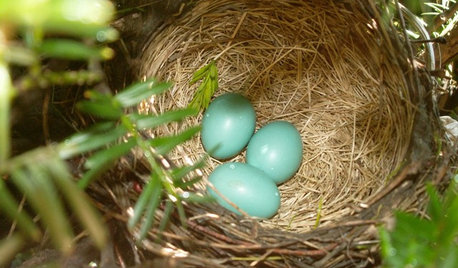
GARDENING FOR BIRDSWhat to Know About Birds Nesting in Your Yard
Learn how to observe, record data and help ornithologists with NestWatch’s citizen science project understand bird trends
Full Story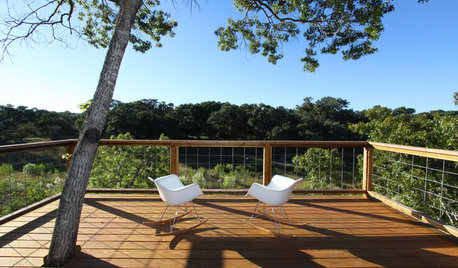
THE ART OF ARCHITECTUREDesign Workshop: The ‘Disappearing’ Guardrail
Putting the focus on the view instead of the rail on a porch or balcony is sometimes clearly the best option
Full Story
COMMUNITYGet a Bird's-Eye View of America's Housing Patterns
See the big picture of how suburban developments are changing the country's landscape, with aerial photos and ideas for the future
Full Story
GARDENING GUIDES8 Native Shrubs for Year-Round Bird Feeding
It’s not just about berries. These plants provide insects for birds and seasonal interest for gardeners
Full Story
GARDENING FOR BUTTERFLIESA Quick-Start Guide to Bird-Watching for Fun and Learning
Set out some seed and grab your field guide. Bird-watching is an easy, entertaining and educational activity for the whole family
Full Story
GARDENING GUIDESBackyard Birds: Invite Entertaining Hummingbirds Into Your Garden
Hummingbirds — unique to the Americas — zip through open landscapes seasonally or year-round. Here’s how to attract them
Full Story
LANDSCAPE DESIGNMake Your Garden Fences Disappear With This Surprising Color
Give tired fences a face-lift with a hue that blurs boundaries and provides a dramatic backdrop for plants
Full Story
GARDENING GUIDESGreat Design Plant: Picea Abies ‘Nidiformis’
Bird’s nest spruce pulls its weight in the winter garden by providing structure and interest
Full Story
GARDENING GUIDESGreat Design Plant: Dicentra Eximia Brightens Shady Gardens
This North American bleeding heart species blooms from spring to fall and welcomes bees and hummingbirds
Full Story

User