

Desperate help needed with med. grain rice not cooking through
10 years ago
Featured Answer
Sort by:Oldest
Comments (20)
 10 years ago
 10 years ago
Related Discussions
Help me make my own flour, cracked grain etc.
Comments (14)Lalitha- Sorry, I don't have any experience with, or information about, the mills you are inquiring about. One rule-of-thumb I can share: stones grind finer than steel burrs, and an impact mill the finest flour of all, and that's about all I can help you with; other than a great respect for German workmanship and they are indeed very handsome mills. The price would be my biggest deterrent. Even though I have a couple stone mills, I also keep extra stones for the mills because they can chip, flake and break (check for stones and grit in your grains/seeds/beans before adding them to the mill hopper), or glaze over from too much moisture in your grains/seeds/beans. The stones are also made from a variety of things, including man-made "stone". When using a stone mill, you may need to mill the grain on a coarse setting, and then run the flour through again on a finer setting in order to get the fine flour (especially necessary for making cakes and a fine-crumb for yeast/naturally-leavened breads. How an impact mill works: "Impact grinders use rows of 'blades' placed in circular rows on metal wheels. One wheel turns and the other wheel is stationary, like the stone grinder. But this is where the similarity ends. The two wheels are aligned so that the rows of blades intermesh, running extremely close, yet never touching the blades on the opposite wheel. The rotating wheel turns at several thousand RPM. As grain is fed into the center of the fixed wheel, the interaction between the two wheels `impacts' the grain and pulverizes it [Grainlady note: the grain "explodes" rather than being crushed] into fine flour as the grain works its way to the outside of the wheels." For REAL sandwich bread--- I would suggest purchasing a Pullman (Pain de Mie) Pan (a square pan with a lid). This pan will allow you to make that crustless, close-grained bread that will help you transition from commercial sandwich bread to homemade. A close-grain crumb is what you want in order to be able to cut thin slices, hold moist spreads (without dripping through a hole), and still be able to hold together to eat out-of-hand. That's the more-or-less "technical" characteristics for sandwich bread. A more open crumb is best used for toast. All those lovely places to hold melted butter and jam. I have a 1-pound Pullman Pan (perfect for hubby and me), and a 2-pound for when the house is full of family visiting. Another tip for making a fine-crumb bread is to add the fat early during mixing. The fat coats the gluten, similar to making short-crust pastry. If you want a more open crumb (as well as more loft), add the fat late in mixing, after the gluten has developed. For making 100% whole wheat bread (or multi-grain where one of the grains is wheat), I suggest using hard (spring or winter) white wheat over red wheat. White wheat flour has a mild flavor and lighter color and is less acidic-tasting than the flavor associated with "whole wheat bread" made with red wheat varieties. White wheat has the same plant traits and nutrition as red wheat varieties, it's just missing the genes for the bran color. There are three genes that make up the bran color. Early varieties of red wheat (such as Turkey Red) had all three genes and are very dark in color (bran, flour and finished product) and a strong "whole wheat" taste. Most of today's varieties of red wheat have one or two of those genes, while white wheat has none. I use and store both red and white varieties of wheat. Step back a generation or two and use a sponge method over the quicker straight (or direct) dough method. You'll find you get a finer texture. The "wait" gives the bran in the wholegrain flour time to soften (the hard sharp shreds of bran can actually cut the gluten strands), and you'll get a high-rising loaf of bread. According to "CookWise": "Researchers suggest that an ideal standing period is 2-1/2 hours." I typically use an overnight sponge with 100% wholegrain flour works well to lighten the bread. If I'm in a hurry, I use a 2-1/2 hour sponge with good results. I also add 1/4 t. ascorbic acid per loaf to counteract the negative effects from Glutathione (found in wheat germ) on gluten-development. This will help prevent baking those squatty loaves of 100% whole wheat bread. -Grainlady Here is a link that might be useful: King Arthur Flour - Pullman Pan...See MoreHelp! What To Cook For......
Comments (9)Ouch. The main thing is, avoid large and sudden doses of fat. Here's what I've learned, in dealing with my own troublesome gallbladder. I'm not a doctor, though have consulted my doctor friends, and done a ton of reading. The liver produces bile which helps your body digest fat. The gallbladder stores bile, and releases it into the digestive tract when the body senses fatty food coming down the pipe. In olden days, we survived on roots, berries, small rodents, birds, insects, the occasional fish - all pretty lean stuff and not much of it. Every now and then, we'd kill a big animal and gorge ourselves, and we'd didn't trim off the fat, rather we fought over it. So, our fat intake - and hence our need for bile - was boom or bust, and the gallbladder delivered lots of bile when we needed it. Sometimes stones form in the gallbladder. Only the very tiniest stones can pass through the duct from galbladder to digestive tract. Anything larger stays in the gallbladder and can get stuck (''impacted'') in the neck of the gallbladder. That's when we have gallbladder ''attacks''. If the stones are badly impacted, the gallbladder can become infected, and that is serious - prompt surgical attention is needed. Otherwise, the attacks end after a few hours. There isn't a highly effective way to dissolve or break up gallstones, although there are ultrasound treatments which attempt to do that. For some reason, doctors don't usually open up the gallbladder to remove the stones. The usual treatment is to remove the gallbladder itself. It can be removed laprascopically, with a few small incisions. If it has become infected, open surgery is necessary. You will read all about gallbladder ''flushes'', which usually involve fasting and then consuming a large amount of oil. My opinion is that these are bunk. The regimens produce lots of gray round things in your stool, which are not gallstones but merely fatty accumulations of the 8 oz of oil that you just drank. You can look up the diameter of the common bile duct, I forget what it is, but no stone of any size is going to pass through it. If your daughter has enough ultrasounds, she'll learn the number and size of her gallstones, compare that to the duct diameter. Life without a gallbladder is much like life with, according to people I know who've had theirs removed. Some people have a little bit more difficulty tolerating some foods, or have looser bowel movements upon eating spicy food, but I haven't talked to anyone who found this a major inconvenience. There are some theories claiming that having a gallbladder is still important (talk about immune system , etc), but I haven't seen any real scientific/medical evidence. I started having gallbladder atttacks 1 year ago. The first one sent me to the ER at 4AM, concerned about a heart attack. Boy, walk into an ER and say you're worried about a heart attack, and suddenly you're the most popular guy around. 20 minutes later, when the tests show its your gallbladder, everyone disappears. Since then I've had three more, about one every few months. I'm still debating what to do about it. Yes, they are painful and have other unpleasant effects, but it is just an occasional thing and I know it will pass, so I'm not convinced it merits surgery. I've always had a cast-iron stomach, able to eat anything whatsoever no matter how hot or spicy, and I value that. So I've simply cut back on my fat intake, am careful about how much fat/oil I'll consume at one sitting, and am in a ''wait and see'' mode. I'm still eating everything I ate before, but smaller portions of some foods, which I needed to do anyway. Good luck to your daughter....See MoreHELP!! I dont cook much and need a meal by Thursday for 7 people
Comments (54)SLC, sorry I didn't get get your message until tonight. Here's a couple of cajun shrimp dishes. Sounds like you're adding some great stuff to your repertoire. I really don't mind cooking as long as I don't have to deal with leftovers, so it is actually fun planning and cooking for company once in a while. Shrimp is my favorite seafood and I love creole-cajun dishes. CAJUN STYLE BROILED SHRIMP Serves 2 as an appetizer 5-6 uncooked shrimp ¼ cup butter, melted (½ stick) 1 Tbsp. Louisiana hot sauce (Franks Red Hot or Crystal are good) 2 cloves garlic, pressed ¼ tsp salt ½ tsp coarsely ground or cracked black pepper ½ tsp finely chopped fresh parsley Pinch dried rosemary Lemon wedges Prepare the oven to 400 degrees F. Shell and de-vein the shrimp. In a small baking dish, combine the melted butter with the hot sauce, garlic, salt, cracked pepper, parsley, and rosemary. Stir. Arrange the shrimp side by side in the baking dish and bake for 6 to 8 minutes. Immediately broil the shrimp for 2-4 minutes or until the shrimp are done, but not chewy. Squeeze some lemon juice over the shrimp. Serve the shrimp sizzling hot in the baking dish This is from Ruths Chris Steak House and in keeping with their New Orleans flavor of many of their dishes. CREAMY CAJUN SHRIMP LINGUINE From Cooking Light Magazine Serves 4 1 cup water 1 can (14 oz) fat-free, less sodium, chicken broth 6 oz. uncooked linguine 1 pound med. Shrimp, peeled & de-veined 1 ½ Tbsp. butter 1 large red bell pepper, ½" slices ¼ tsp. salt ¼ cup fresh flat-leaf parsley 1 8-oz pkg. pre-sliced mushrooms 2 tsp. all-purpose flour 1 tsp. Cajun seasoning 2/3 cup half-&-half Combine 1 cup water & broth in Dutch oven; bring to boil. Break pasta in half, add to pan. Boil, cover, reduce heat and simmer 8 minutes. Add shrimp to pan. Cover and simmer 3 more minutes or until shrimp are done; drain. Melt butter in large skillet over medium heat. Add mushrooms and sliced red pepper; saute 4 minutes or until moisture evaporates. Add flour, seasoning and salt to pan; saute 30 seconds. Stir in half-&-half; cook 1 minute or until thick, stirring constantly. Remove from heat. Add pasta mixture and parsley to pan. Toss. I like this with steamed broccoli, fresh French bread, and glass of red wine....See MoreSpeaking Of Rice
Comments (32)Dr. Besser's advice really only works for surface arsenic. If the arsenic is the inorganic type drawn up from soil or groundwater contamination, rinsing will NOT work very well. In fact, Consumer Reports recommends cooking 1 cup of rice in 6 cups of water, and pouring off the excess! Rinsing very well, and cooking the rice in extra water and dumping the excess (which unfortunately puts it right back into the environment one way or another), removes at most, about 30% of the arsenic. Things that can help: Sulfur helps eliminate arsenic from the body, so eat foods high in sulfur, such as eggs, beans, legumes and garlic. Eat plenty of fiber every day. Garlic, pectin, selenium, L-Cysteine and L-Methionine, Vitamin C, and Superoxide dismutase (SOD) are all good detoxifiers. Be sure to read up on recommended allowances; some of these are mildly toxic in very large quantities. Have a hair analysis done if you suspect arsenic toxicity. Here is a link that might be useful: Boston NPR: 5 Things You Need To Know About Arsenic In Rice...See More- 10 years ago
- 10 years ago
- 10 years ago
 10 years ago
- 10 years ago
- 10 years ago
 10 years ago
- 10 years ago
- 10 years ago
- 10 years ago
- 10 years agolast modified: 10 years ago
- 10 years ago
- 10 years agolast modified: 10 years ago
 10 years ago
- 10 years ago
- 10 years agolast modified: 10 years ago
- 10 years ago

Related Stories

KITCHEN APPLIANCESLove to Cook? You Need a Fan. Find the Right Kind for You
Don't send budget dollars up in smoke when you need new kitchen ventilation. Here are 9 top types to consider
Full Story
MOST POPULAR7 Ways to Design Your Kitchen to Help You Lose Weight
In his new book, Slim by Design, eating-behavior expert Brian Wansink shows us how to get our kitchens working better
Full Story
SELLING YOUR HOUSE10 Low-Cost Tweaks to Help Your Home Sell
Put these inexpensive but invaluable fixes on your to-do list before you put your home on the market
Full Story
EXTERIORSHelp! What Color Should I Paint My House Exterior?
Real homeowners get real help in choosing paint palettes. Bonus: 3 tips for everyone on picking exterior colors
Full Story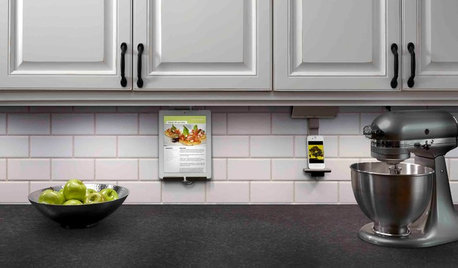
KITCHEN DESIGNHouzz Call: What’s Cooking in Your Kitchen?
Most of us turn to recipes, videos and culinary shows when we cook. Where do you set your cookbook, tablet or TV screen?
Full Story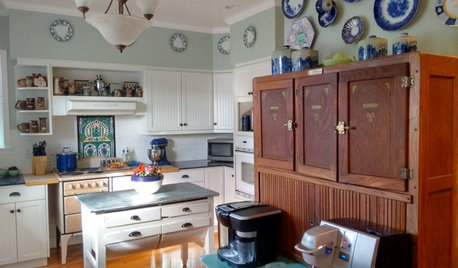
KITCHEN DESIGNKitchen Recipes: Secret Ingredients of 5 One-of-a-Kind Cooking Spaces
Learn what went into these cooks’ kitchens — and what comes out of them
Full Story
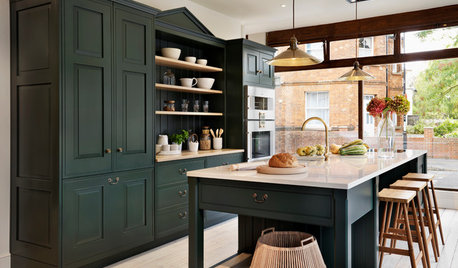
SELLING YOUR HOUSEKitchen Ideas: 8 Ways to Prep for Resale
Some key updates to your kitchen will help you sell your house. Here’s what you need to know
Full Story
KITCHEN DESIGNCreate Your Own Checklist for a Well-Stocked Kitchen
Personalize the kitchen with your own must-haves from our list of top cooking tools, small appliances, pots, pans and more
Full Story
DECLUTTERINGFoolproof Ways to Declutter Your Kitchen
If you find yourself fumbling through cupboards to find what you’re looking for, it’s time to take action with these simple steps
Full Story
ci_lantro