

Power Outage Losses
11 years ago
Featured Answer
Sort by:Oldest
Comments (7)
 11 years ago
- 11 years ago
Related Discussions
ever get nailed by a power outage?
Comments (4)Great question! That is something that really concerns me. I want a greenhouse that is resilient to many challenges and so we are building strategies into the design. Among the many years I have been researching this, here are many of the following design strategies I have come across and am seriously considering: Passive Solar Design Orient the greenhouse so that most of the glazing faces south and is angled to best take advantage of the sun. In the winter, the sun's lower position means its rays penetrate more deeply into the greenhouse, warming all the surfaces. The design takes advantage of this by having many heat sinks (aka "high thermal mass" or "thermal stores") which soaks up the heat, holds it and then releases it when the sun goes down, extending the heating time frame. The northern wall is heavily insulated to reduce heat loss. Starting a design with Passive Solar principles in mind is a strong first step in making your greenhouse more resilient because it is not dependent on fossil fuels for it to work. However, it has its limitations. It is great for season extension and when combined with other strategies can be used for four season growing. It all depends on where you live, your property's attributes and what you are planning on growing. http://www.baldmtnhomes.com/McCelo.html http://www.greenbuildingadvisor.com/blogs/dept/energy-solutions/resilient-design-passive-solar-heat http://www.greenbuildingadvisor.com/blogs/dept/energy-solutions/making-houses-resilient-power-outages Pit Greenhouses This design uses the earth's stable temperature (roughly 55 degrees year round under the frost line) to maintain temperature. Just as the name implies, the greenhouse is largely underground, often with just a glass roof. By limiting the glass, you are limiting all the ways that warm air can escape and cold air can get in during the winter. The beds are all raised and the pathways are sunken which keeps the plants safely above the coldest air. The cold air sinks and then gets warmed by the earth, rises and the cycle continues. When the sun is out, it warms the thermal mass of the earth which also stores heat for the night time. http://www.solarinnovations.com/marketing/media/Solar%20Innovations,%20Inc.%20Unveils%20Pit%20Greenhouses.pdf Attached Greenhouses There are many benefits to having your greenhouse attached. The convenience of simply walking from one part of your house and into the greenhouse is huge -especially in the winter with high snow- but you also have the advantage of sharing heat. When the sun is out in the winter, you can open the connecting door and let in the extra heat into your house. At night you can let your house's heat into the greenhouse. However, it is not as simple as it sounds. It is best to design a system from the outset that circulates the heat naturally -often just opening a door does not create a significant enough draft to really circulate the air. And, to really generate heat for your house, you would need it to get to temperatures too hot for the plants. So, this is not something you should count on. Also, in the winter, greenhouses generate a lot of humidity which could create problems for your house. Subterranean Heating and Cooling System (aka "Climate Battery or "Seasonal Store") This innovative heating system captures the hot air of the greenhouse in the summer and stores it underground; and cooler, dryer air comes up to replace it. Over the course of the summer, the earth below the greenhouse has so many BTUs stored that you can actually heat your greenhouse in the winter with summer heat. To heat a 1200 square foot space, it requires a slow moving fan that uses the equivalent amount of electricity it takes to power a large refrigerator. The fact that SHCS takes the hot humid air, puts in underground and cooler, dryer air replaces it, means that you are controlling the excess humidity -a really handy feature- and you are both cooling and heating the space with the same system. It is simply taking heat from one area, storing it, and then moving it again when needed. This is a form of Geothermal Heating only it is cheaper and it also has the dehumidifying feature so needed in a greenhouse (and the humid air of the greenhouse makes for a super efficient system because of the phase change that occurs). In terms of a power outage, I would feel comforted that my plants and trees would be sitting on top of my heat storage even if the fan that circulates the air could not operate. It would be unlikely the greenhouse would outright freeze. http://barrettstudio.wordpress.com/2011/12/22/the-practically-zero-energy-year-round-greenhouse/ http://www.roperld.com/science/YMCAsolargreenhouse.htm http://www.greenershelter.org/TokyoPaper.pdf http://www.sunnyjohn.com/indexpages/shcs.htm Geothermal Geothermal is very similar to SHCS -rather than burning energy to produce heat, it is simply moving heat from one place to the other which is far more efficient. The upfront costs are very expensive but over the lifespan of the system it is the cheapest way of heating and has far less maintenance. For houses, the payback period is between 5 to 7 years (with government tax incentives). Unlike SHCS, Geothermal can be used to both heat the greenhouse and the house. It also has a lot of health benefits because the burning of natural gas and other sources of heat has health consequences. http://www.citrusinthesnow.com/ http://www.greenlifeanswers.com/articles/geothermal-in-massachusetts.html Phase Change Materials There a number of materials that can store heat at one temperature and release it at another. Water is one of them. Often in a Passive Solar Greenhouse, there a large amount of water barrels used to absorb heat when the sun is out and then release it when the sun goes down. Many have reported great results from doing this, others not so much. The main limitation is that water takes up so much space that could be otherwise used for plants. There are other phase change materials that can store a lot more heat for a fraction of the space. And SHCS is a phase change. The hot humid air is pushed underground where is the cooler temperature forces a due point. The water vapor is release, carrying with it the heat. Sunny John (who promotes SHCS) estimates that five times the amount of heat is stored because of the phase change. http://greenhousefashions.blogspot.com/ Thermal Solar in Radiant Heated Beds Using thermal solar panels, you can heat water or some other liquid, and run that through a radiant heat system that heats the soil of your beds instead of the air which is much more efficient and less heat is lost through the glazing. Plants and trees need their roots to be warm more than the air around them. If their roots are toasty than they can take a fair amount of cold air from time to time. However, some plants may get out of whack because they do need a certain amount of heat in proportion to the light they receive. How you run the pipes through your soil is a bit of a design challenge. You probably don't want them directly in the soil because you can inadvertently burst a pipe when working with tools. You may be able to design it into the walls of the beds. What I plan to do . . . I am concerned about Peak Oil (and Peak Everything!), Climate Change and economic uncertainty and it may seem that building a greenhouse might be extravagant with such concerns but I think greenhouses will become a handy feature of a house in the future. The key is to design one that is not a resource hog! http://www.greenbuildingadvisor.com/blogs/dept/energy-solutions/green-building-priority-9-create-resilient-houses For awhile, I had concluded a passive solar attached pit greenhouse (with the glazing tall enough to grow fruit trees) would be the ideal design. Then I learned about SHCS and thought that I could integrate that into the design as well. However, when we finally found a property that had enough southern exposure, we find now that the high water table is probably too high and may interfere with the SHCS tubing. So, we probably won't do the pit design and I am hoping that the heat storage below will provide the freeze protection that a pit design would give us in a power outage. I am also concerned that being in Massachusetts I might not get enough solar exposure to heat the greenhouse year round. We are looking into another heat source -any suggestions? So now we are considering geothermal. We have natural gas for our house and I am concerned that although the price of natural gas is not so bad now that in the future it will be. I also rather not use a fuel that is sometimes retrieved by fracking. Geothermal is so expensive in upfront costs that we may not be able to afford it, however, our state does offer some loans and there are federal tax incentives. Geothermal would allow us to both heat our house and greenhouse, however, we would not get the benefit of the dehumidifying that the SHCS would provide us. I'd like to do a hybrid system but we are not sure if we can afford both. In addition, we are designing a rain catchment system with an underground cistern and a root cellar. With the typical rainfall we get in New England, we could provide all the water we need for our greenhouse, household and gardens if we have a cistern big enough to store the water during rainy periods. As for what to do when we go away. We have a number of neighbors who are just wonderful! This spring we created a garden on our property for three households to use. We built it all together and when one of us goes away, we have each other to look after the garden plots. -I used to have to hire someone to water my garden! We plan on doing something like that for our greenhouse where we invite friends and neighbors to enjoy it on some level whether is by sharing the harvest or spending time in it on a cold wintery day to lift their spirits. Little by little, we will show them how it works so that when we go away, we'll have knowledgeable people we can count on....See MoreSamsung Refrig needs to be reset after any power outage HELP!
Comments (39)In Reference to my comment 7 months ago about the Samsung Refrigerator not powering back up after a neighborhood power outage- it happened again this weekend while we were out of town- storm apparently came through the area, downed tree limbs knocked out power to the neighborhood on Saturday. We were planning to come home this Monday but after learning about the outage via Facebook came home Sunday and sure enough - 2 year old Samsung -no power, 15 year old Kitchenmaid and 20 year old Amana humming along no problem. If ANYONE knows of a solution or has been successful dealing with Samsung on this issue please let us know!!! I'm calling again now but not confident- will update blog if any success....See MoreKitchen tips for storm power outage
Comments (26)We've had 2 this year -- first one was worst but taught me what to do. We had no power for 5 days and day 4 the generator ran out of gas. Until then we were in good shape as I had listened to advice on what to have on hand (see link below) and it worked well. That was in the Fall and winter might be easier from the standpoint of having ice on hand -- we just didn't open the fridge once we really lost power. The ice cream did not fully melt in the freezer that last day so we didn't lose any great amount of food. Water for the toilets was one big issue. Afterwards I went out and bought 4 five-gallon kerosene containers and would fill them immediately before any storm, just in case the generator goes on the clink. Cell phone saved us as our internet was out for 5 days. I had to charge that in the car -- so a full tank of gas is really important too. We have an electric kettle for boiling water and the backup give us limited power and lights. That does it for coffee, tea and anything instant. With no power or generator I'd haul the gas grill out and use that for boiling and any semi-emergency cooking. If you have gas you are lucky. We have electric only but micro is on backup so I cooked ahead and put food in microwaveable containers. We ate on paper plates with plastic utensils. It's the one time we'll eat canned fruit and packaged applesauce. Peanut butter and jelly sandwiches turn out to be power-loss-proof. Follow up was that we also had too many trees near our house and spent the past month having many of them removed. Two of them turned out to be rotted in one or another section -- a disaster waiting. So that's perhaps something to think about after the snow. It immediately made a huge difference in the ability of the ground to dry out on one side and relieved the fear of anything falling. We still have 2 trees to go but they are secondary. OTOH, it left us with 5 years of firewood and a big bill. We seem to be getting your storm tomorrow so fingers crossed here. Here is a link that might be useful: supply list...See MoreOT - intentional power outage
Comments (15)So informative, thank you, Jackie! We lose our water in any power outage. The utility delivers it halfway up the hill, and we must pump it the rest of the way. We get a slow trickle of whatever is currently in the tank which allows us to flush once a day for a couple of days. We go to the YMCA for showers and either eat canned food or eat out. A more widespread power outage would make this impossible, but we live on a hill and have unplanned power losses from time to time. We have one of those electric/gas combination ranges. I had been thinking that it would be better to have all-gas, but since the thermostat would be electric, that is probably not an improvement. And oh yes, neither heater or air conditioner. Again, the thermostat doesn't work. I am quite interested in reducing our energy usage and we have had solar panels for about a dozen years now, but even I thought that the no-gas regulation was seriously shortsighted. My husband Tom does have a generator, but it is a pain in the neck to hook up, so we only do it if the power is out for a while. The freezer gets priority. I sometimes lament the loss of a true landline (not the digital kind), but the assaults of telephone spammers have made them unendurable. I have set my cell phone up so that only people I know can reach me. Strangers can leave messages, but my phone won't ring, and spammers almost always hang up without leaving messages. It has returned sanity to my life. Tom is an amateur radio operator (which is why we have the generator) so we could be in contact that way. I have a hand crank radio somewhere, but honestly I don't know where it is. I certainly would require daylight and a calm mood to find it....See More 11 years ago
- 11 years ago
 11 years agolast modified: 11 years ago
- 11 years ago
Related Stories
LIFEHow to Prepare for and Live With a Power Outage
When electricity loss puts food, water and heat in jeopardy, don't be in the dark about how to stay as safe and comfortable as possible
Full Story
GREEN BUILDINGSunlight Used Right: Modern Home Designs That Harness Solar Power
Embracing passive heating principles through their architecture, siting and more, these homes save energy without skimping on warmth
Full Story
DISASTER PREP & RECOVERYMore Power to You: How to Pick the Right Generator
If your home's electricity goes, don't let it take your necessities with it — keep systems running with this guide to backup power
Full Story
HOME TECHUnlock Your Smart Phone's Front-Door Powers
Take your locks and keys into the digital age with 3 solutions that put convenience and new capabilities on your doorstep
Full Story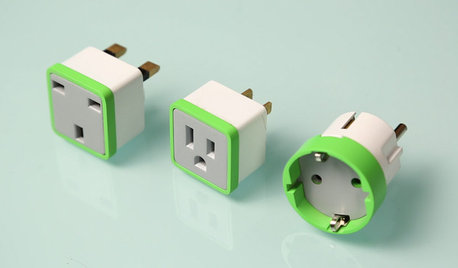
HOME TECHPlug Into Home Power Monitors That Pay for Themselves
Stop throwing away money on wasted electricity with help from new monitors that work with your phone or computer
Full Story
COMMUNITYSimple Acts: The Unsung Power of a Good Neighbor
There are many ways to be a good neighbor, and they're often easier than you think
Full Story
LANDSCAPE DESIGNThe Unparalleled Power of Trees
Discover the beauty and magic of trees, and why a landscape without them just isn't the same
Full Story
TRIMThe Transformative Power of Ceiling Trim
Add structure and drama, create rhythm and much more by adding decorative trim overhead
Full Story
GREEN BUILDINGOff the Grid: Ready to Pull the Plug on City Power?
What to consider if you want to stop relying on public utilities — or just have a more energy-efficient home
Full Story
LIFE10 Ways to Work Through Grief Triggers During the Holidays
A year after losing her sister, she was facing another holiday. Here’s how one woman learned to find joy again
Full Story

annie1992