

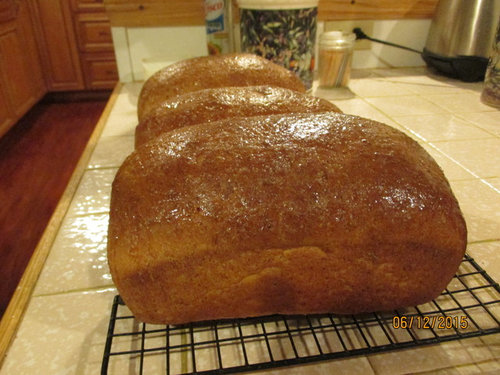
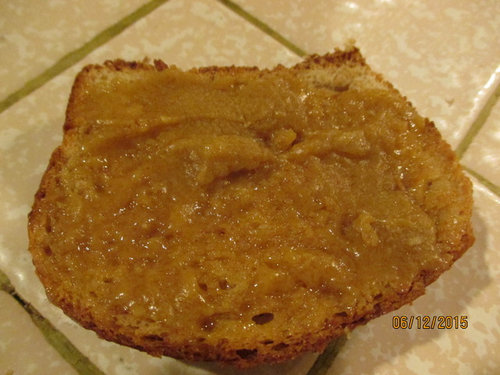
Third try home ground wheat flour bread
11 years ago
Featured Answer
Sort by:Oldest
Comments (10)
 11 years ago
 11 years ago
Related Discussions
Honey Cracked Wheat Bread from Country Sunshine
Comments (17)Hello everyone... I haven't had much time to spend online lately. Carol is right, my beloved Bob passed away yesterday afternoon at 1:00 pm. Two weeks from tomorrow, he fell while trying to put his jeans on while s tanding up instead of using the bench.. and broke his left hip.. He got through the surgery great, but then when he was transferred to the rehab center, he suffered a heart attack, an pneumonia, so they transported him back to the hospital, where they found he had a high fever, and his kidneys were shutting down.... One thing led to another and he passed away yeaterday.... I am still in a state of total shock and it hurts worse than I ever thought I could hurt. I am honored that you like my recipe for the honey wheat bread... I love to play with my food and that includes baking bread... nevah know what you will make that you just don't want to live without... Enjoy everyone. xoxo Carolyn...See MoreWhat do I need to know about WHITE whole wheat flour?
Comments (26)Kari & Clare - Kari - My sources for wheat: 1. locally grown hard winter red and white wheat (free or very cheap, but usually NOT chemical-free or organic) 2. Heartland Mill, Marienthal, KS - organic grains 3. Bob's Red Mill - soft white wheat (and other grains) 4. Wal-Mart - Hard Spring White Wheat - Prairie Gold (from Wheat Montana - chemical-free) - they also carry hard red wheat Bronze Chief. Wal-Mart has only recently started carrying Wheat Montana wheat around here - $5 for 25-pounds. Mills: 1. (A very old) Whisper Mill - which is an electric impact mill (now known as a Wonder Mill) - this mills most grains/seeds/beans into a very fine flour - fine flour = fine bread, coarse flour = coarse bread. 2. Marga Mulino Flaker Mill - for cracked grain, flakes, and coarse farina (for cooked cereal) 3. Corona Corn Mill - for coarsely milled grain and corn meal. 4. Porkert Seed Grinder - for small seeds, such as amaranth, poppy seeds, teff, etc. 5. Bosch Coffee/Spice - for milling flaxmeal. 6. Family Grain Mill - a hand mill, that also has an electric-powered motor to run it as well, that has a lot of attachments available for other uses (meat grinders, flakers, etc.). This is my back-up mill. You have to mill the flour twice to get a reasonably fine grind of flour. Source for recipes: I suggest you start by substituting unbleached/bleached flour in your favorite recipes with a portion of wholegrain flour. There are all kinds of books out there on whole wheat baking. I have a collection of 28 beans, seeds, and grains that I use milled and whole - included in that, several types of wheat. I develop many of my own recipes because I use really "odd" ingredients, including gluten-free baking. Here's a few books I like from the large selection in my library: RECIPES FROM THE OLD MILL (Baking with Whole Grains) by Sarah E. Myers and Mary Beth Lind WHOLE WHEAT COOKERY (Treasures from the Wheat Bin) by Howard and Anna Ruth Beck THE AMAZING WHEAT BOOK by LeArta Moulton THE SPLENDID GRAIN (all kinds of seeds and grains) by Rebecca Wood WHEAT COOKIN' MADE EASY by Pam Crockett --------------- Clare - Wheat comes in HARD (strong/high-gluten) and SOFT (weak/low-gluten) varieties. Whole Wheat Pastry Flour is milled from (low-gluten) soft red wheat, just like you thought. It's best used just as you described - in baked goods where you don't want a lot of gluten development - for the most part, anything other than yeast breads. Low-gluten bleached flour would include White Lily and Martha White - which are great for quick breads, pastry, etc. I purchase soft white wheat berries from Bob's Red Mill to mill into whole wheat pastry flour. I also use freshly-milled spelt and some rye, barley, and triticale for baked goods that need low-gluten flour, as an alternative to soft wheat flour. All wheat has a protein level that determins if the grain is hard or soft. Even in the same field you'll find protein (gluten) level differences from one side of the field to the other. If a portion of the field is shaded(usually at the edge of the field) and/or there's a low place in the field that retains water after a rain, the wheat that receives a lot of water/shade will usually have a low-protein count. Even though hard wheat may have been planted, the protein level is also determined by the amount of rainfall, and other factors. Soft wheats are characteristicly plump (a lot of endosperm), while hard wheat varieties (especially winter wheat) is small, wrinkled, and very hard when you bite it. When soft whole wheat is milled, the flour is exactly that - very soft to the touch. Hard whole wheat is much 'grittier' - due to the higher percentage of bran to endosperm ratio. All bleached/unbleached flour is milled from a combination of wheat protein levels to formulate the amount of protein for the type of flour needed. High-protein wheat is used for yeast breads, a combination of hard and soft wheat is milled for all-purpose flour, and pastry flour is milled from soft wheat. There are also fields of extremely high protein wheats (15% or more), but they are mixed with lower protein wheat to make flour. I've used some wheat that was 16% protein, and it took forever (lots of kneading and a very long fermentation) to develop the gluten in bread - 12-13% protein level is much better for yeast bread. Too much gluten will make a tough loaf of bread. The highest protein level wheat is durum wheat. Unlike hard red and white wheat varieties which are used for yeast breads, durum wheat is used in pasta. I mill durum for whole wheat pasta - NOT red or white varieties of wheat. Commercial whole wheat pasta is made with wholegrain durum wheat. The elements in wheat protein that we call "gluten" are actually a gluten group - GLUTENINS and GLIADINS. Glutenins provide the elasticity quality that allows bread dough to expand. Gliadins contribute to the viscosity and extensibility of bread dough. Red and white wheat varieties have a dominance of GLUTENINS and less GLIADINS. Durum wheat has a dominance of GLIADINS and less GLUTENINS. Therefore, even though durum wheat has a high protein level, it's unsuited for bread making, due to the type of protein. -Grainlady...See MoreWhite whole wheat flour?
Comments (1)I haven't used it for years. IIRC, it's easier to work with than home milled. As long as it smells fresh, you shouldn't have to adjust the flavor. The genetic information that colors red wheat carries a lot of the bitter, so without it the flour is much sweeter. Any whole wheat recipe should work well. The mix with refined flour, however, helps the rise and kind of cushions the gluten. The bran in the whole wheat can cut the strands of gluten and they don't "heal" well. Expect a 1.5x rise rather than 2x, though you might get more. Use a preferment and let the finished dough ferment a longer time. After the initial knead, try not to handle it too much, or too hard. If you have any vital wheat gluten, you can add some to support the rise. There was a 100% whole wheat expert with a blog, but it seems to have disappeared. This other blogger, in the link below, isn't any kind of expert, but it looks like she's had a success with a Peter Reinhart recipe, so it might be a good one to look at. https://littlechefbigappetite.com/whole-wheat-baguette-recipe/ Good luck! It's such a lovely thing you're doing for people....See MoreGrinding wheat berries for flour for bread; conversion to ounces?
Comments (9)No. Soaking the wheatberries will make them too soft, and you'll get slurry instead of flour, and it will be hard to control the hydration. Yes, soak the flour, but in the amount of water you want to use for the recipe. It may seem crumbly dry, but just make sure it's as well mixed as you can. It'll be nice and moist at the end of the soaking period. I think I'd soak all the flour, rather than just the WW, but that's something to experiment with. Maybe the white would be greedy and soak it all up before the WW had a chance. Best of both worlds, soak the ww, then do an hour autolyze after mixing the rest. Do soak the WW for at least 8 hrs. Overnight is good. This is even more important if you have little chunks you’re trying to soften. An alternative to having coarsely ground bits of wheat, would be to mix in some interesting other whole grain, like millet. Just toss it into the soak. It's very nice. I've also used amaranth, buckwheat groats, various seeds and whatever took my fancy. Just keep to a small enough quantity that it doesn't impede the rise. Don't chill it unless your baking day gets postponed more than a day or two, and you think you'll get mold. Just cover your vessel, and leave it on the counter. Ambient humidity does make a big difference. I know you baked professionally, but I can't remember what. IME, all that “baking is chemistry” cliche stuff is about cake (which includes quickbreads and cookies). You have to have the right specific ingredients, in the right quantities, with the right methods under the right circumstances, to get a replicable product. Breads are different. They're much more about art, about adjusting for how dry your flour is, how dry the air, how active the yeast. You know there’s enough flour or water when it feels right. Pastry seams somewhere in between....See More 11 years ago
- 11 years ago
- 11 years ago
 11 years agolast modified: 11 years ago
 11 years ago
 11 years ago
- 11 years ago

Related Stories

GREEN BUILDINGThe Big Freeze: Inventors Break New Ground to Keep Things Cool
Old-fashioned fridges can be energy guzzlers, but there are more eco-friendly ways of keeping food fresh, as these global innovations show
Full Story
DECORATING GUIDES5 Decor Trends to Try — and 5 to Rethink
Some style trends are worth jumping onboard. Others you may want to let fade from your memory
Full Story
FARMHOUSESWorld of Design: See How 9 Families Live and Farm on Their Land
Join us as we visit the homes and farms of passionate food producers and hear about rural life around the globe
Full Story
HOUZZ CALLShow Us the Best Kitchen in the Land
The Hardworking Home: We want to see why the kitchen is the heart of the home
Full Story
MOST POPULARHouzz Tour: Going Off the Grid in 140 Square Feet
WIth $40,000 and a vision of living more simply, a California designer builds her ‘forever’ home — a tiny house on wheels
Full Story
MIDCENTURY HOMESHouzz Tour: Getting to the Bottom of a Midcentury Los Angeles Home
Once it had only a second floor, but now this home has its fill of usable, beautifully designed spaces
Full Story
THE HARDWORKING HOME6 Smart Ways to Work Your Square Footage
The Hardworking Home: From Juliet balconies to movable walls, here’s how to make a home of any size feel more open, flexible and fun
Full Story
FEEL-GOOD HOME21 Ways to Waste Less at Home
Whether it's herbs rotting in the fridge or clothes that never get worn, most of us waste too much. Here are ways to make a change
Full Story
FEEL-GOOD HOMEWhat Really Makes Us Happy at Home? Find Out From a New Houzz Survey
Great design has a powerful impact on our happiness in our homes. So do good cooking smells, family conversations and, yes, big-screen TVs
Full Story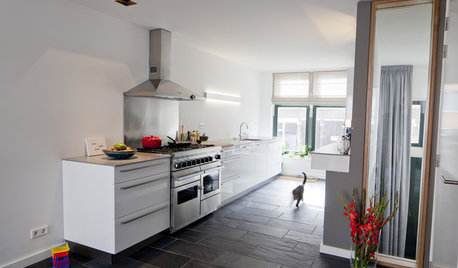
HOUZZ TOURSMy Houzz: Stunning Rotterdam Renovation
A Dutch couple snags an amazing home for — wait for it — one euro
Full Story


arley_gw