

Is there any science behind this?...
11 years ago
Featured Answer
Sort by:Oldest
Comments (28)
 11 years ago
- 11 years ago
Related Discussions
hard bulb science to back up conventional bulb wisdom?
Comments (5)Science can sometimes get in the way of things we'd like to do, but if you have a whole lot of daffs - do your own "science" and cut down the foliage on a patch of them, mark the patch with a little tag or something, and see what comes up next season. If they come back as good as the ones left to go through their normal die-back routine, you've proven - at least to yourself in your particular growing conditions - that the bulbs suffered no harm in the short run. Doing this for several years in a row might find your bulbs shrinking away to the point that eventually nothing comes up. This is probably one of the tests the experts at the Universities have tried in assembling their body of knowledge. Digging up and measuring the size of the bulbs that have had the foliage prematurely cut against bulbs that have not would be another test. If you're familiar with Google - type in cutting daffodil foliage and sift through over 100,000 hits explaining the benefits of both science and convention. The science has been done and it's out there....See Moremore fertilizer questions
Comments (4)I agree with most of the good advice preceding and would add not to pay much attention to a random forester. The only nutrient that consistently creates a vigor response for trees in most soils is N and additional P is often not needed at all, at least in the soils in the northeast. K becomes an issue when it is being carried out of a site in the form of crop. Presumably animals feeding on the fruit would tend to leave in excrement about what they consumed. Soil tests don't really tell you what's needed like a map can direct you where to drive and they aren't in my opinion always essential. In commercial orchards where you need to tweek things to max efficiency, soil tests are used in conjunction with leaf analysis. Soil tests probably represent about a third of the total info provided by both tests and this info is only part of the evidence a grower acts on when determining nutritional needs. Observation of apples, foliage and soil take an equal role. Cornell does offer a maintanence nutrient management program in their "Pest Management Guidelines for Commercial Tree-Fruit Production" which last I checked can be found on-line. I assume this info is for commercial growers getting satisfactory production and aren't doing test based management. I do consider pH adjustment an essential part of fruit tree care and this has to be done in conjunction with analysis....See MoreThe science behind dividing
Comments (3)given enough time.. many plants will fairy ring.. the best growth being on the exterior where it is growing into fresh soil .. and the middle dying out ... at that point the old and dead needs to be removed... and by doing so.. you add fresh new soil ... air and water circulation .. there is just no downside ... though we think of them as perennials.. any given part of the plant does not live forever... but the plant does ... as pieces mature.. and head toward the geriatric years.. they simply lose vigor ... just like grandpa.. lol ... i really think its just the fresh un-compacted soil ... plus teenage plants ... that simply explode with vigor ... not much science there.. just observation and opinion ... ken...See MoreAny Science Fiction Readers here? Help finding book
Comments (9)No I don't know....but....I do know that sometimes when a book has a second publishing..it may have a different cover. I have a couple books that way...one is older and they have different pictures on the front cover but the same story inside. Is there anyway you can find out if it is the same one? patti...See More- 11 years ago
 11 years ago
- 11 years ago
 11 years ago
- 11 years ago
 11 years ago
- 11 years ago
- 11 years ago
- 11 years ago
- 11 years ago
- 11 years ago
 PRO11 years ago
- 11 years ago
- 8 years ago
 8 years ago
- 8 years ago
 8 years ago
- 8 years agolast modified: 8 years ago
- 8 years ago
 8 years ago
- 8 years ago
- 8 years ago
- 8 years ago
 8 years ago
- 8 years agolast modified: 8 years ago
Related Stories
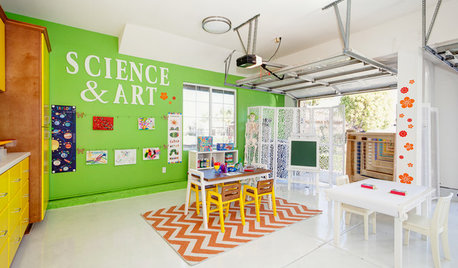
ROOM OF THE DAYRoom of the Day: Art and Science Room Proves Grandmas Are the Best
This grandmother transformed her garage into a science and art classroom where messes are encouraged every day
Full Story
EVENTSOn Show: Weird, Wondrous Science Meets Design
Houses grown, not built. Power-generating soil. And snail poop that ... well, see for yourself in our coverage of a new Rotterdam exhibit
Full Story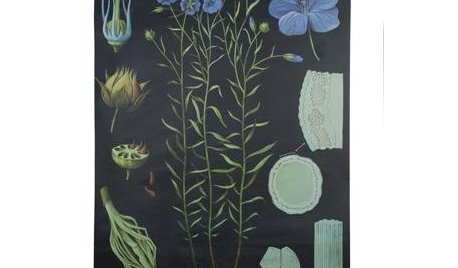
PRODUCT PICKSGuest Picks: Science-Inspired Design Finds
Look to geology, chemistry, geography and other sciences for inspiration in home decor
Full Story
PRODUCT PICKSGuest Picks: Mad Science
Get inspired by science fiction with 20 decorative items pulled straight from your favorite B movie
Full Story

TRANSITIONAL HOMESHouzz Tour: The Science of Blending Old and New
An interior designer helps clients pull together modern furniture and heirloom pieces in a classic home
Full Story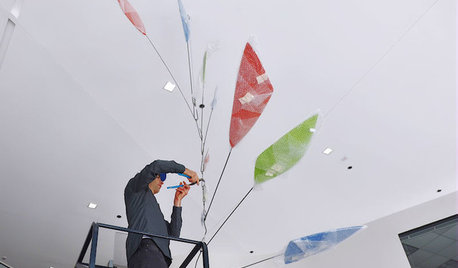
ARTArt in Motion: The Story Behind Mobiles
Mobiles started as wind chimes, and Calder put them on the map as an art form. Here's what they are and where they're going now
Full Story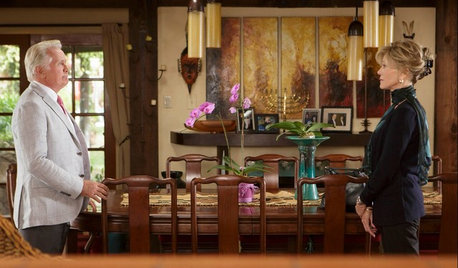
TASTEMAKERSTake a Behind-the-Scenes Tour of Netflix’s ‘Grace and Frankie’
Set decorator Beauchamp Fontaine explains the design decisions behind the home sets featured in the new Netflix series
Full Story
GREAT HOME PROJECTSHow to Create a Secret Doorway Behind a Bookcase
Hide your valuables (or unsightly necessities) in a room or nook that no one will guess is there
Full Story
MORE ROOMSBehind a Garage Door, a Family Fun Room
Designer Kerrie Kelly's secrets to this low-budget garage makeover: a soothing palette, horizontal stripes and dashes of color
Full Story

arley_gw