

Any German Cuisine Experts out There?
13 years ago
Featured Answer
Sort by:Oldest
Comments (42)
 13 years ago
 13 years ago
Related Discussions
Rose experts - any non-roses from here I should check out?
Comments (15)Vettin: This is an incredible list. It's way too big for only 10. I'll give you some items that stand out to me as either easy or special favorites of mine. Buddleia--butterfly bush--large fragrant clusters of small blooms. Can get to be large. I love mine. Campanula--if I lived where you do, I would definitly try some of these. The kind of fizzle in the heat here but I think they could work for you. Called "bellflower", they are beautiful plants. Clematis--I have several. look into these and take your garden vertically. They look great with climbing roses or beautiful by themselves. Coreopsis--called "tickseed", they look a lot like daisies. They are easy to grow and bloom very well. A great group of plants. Delphinium--I love these but can't grow them because they don't like my heat. I've heard of others in N. VA who do well with them. GET SOME OF THESE! Dianthus--carnations are in this family. They bloom well and smell great. The ones I grow are rather low growing and great in the garden. Digitalis (foxglove)--Nice tall plant with really pretty bell shaped flowers. They are tall and narrow and add a differnt look and texture to a garden. Edgeworthia--This plant blooms in winter with incredibly fragrant blooms that look a lot like Daphne. The Atlanta Bontanical Gardens have several. They are unique looking and well worth the garden space for the winter blooms. Helleborus--another winter bloomer. EASY plants that take no care and can spread so you can share with your friends. Hosta--a VERY low care EASY plant for a shady area. The clump gets larger and had to be "thinned" every few years but that means you can spread them around. Several of these varieties are nice. Hydrangea--look at the two arborescens. I like these. Beautiful huge clusters of white blooms. Iris--a great EASY plant. Don't plant them deeply at all--almost on the surface or they won't bloom or worse, will rot. I recognize two Iris germanica (bearded irs) as being rebloomers--they bloom in the spring AND fall--Lo How Sliver (white) and Sugar Blues (blue and fragrant). Get at least one of each of these and look up the others to see what they are. Lithodora--a very low growing plant with bright blue star shaped flowers. The foliage is dark green. I really like this plant. Osmanthus fragrans--I did not realize that this plant was hardy in N. VA. If it is, GET AT LEAST ONE! It's evergreen, slow growing, can get 15 feet tall but will tolerate pruning. I keep mine at about 6 feet. Mine bloom in the spring and fall with scattered bloom in the summer. The blooms are tiny and you don't really notice them until you SMELL them. The fragrance carries across the yard and it's incredible. This is one of my favorite plants (and it's not even a rose). Philidelphus--mock orange. Beautiful white blooms in the late spring for me. The frangrance is wonderful. Phlox--there are several different kinds listed. All are great plants in my garden. They give a good selections of colors and they are easy plants. Rudbeckia--black eyed susans--nice sunny cheerful plant easy and blooms for a long time. Salvia--good plants--easy and pretty Scabiosa--pincushion flower--I have butterfly blue and it is one of the best blooming plants I own. The little blue/lavender blooms--about 1 1/2 in. across come from early spring to frost. Easy, easy plant. It's kind of low growing with stems that stick up with the bloom on top. A very nice plant. Hope this helps. Remember, this is just my opinion and I am not in your zone. I also looked at the list quickly and may have missed something wonderful. Enjoy the sale. Take a lot of $ and a truck to carry everything home. Let us know what you end up getting....See MoreGerman fermenting/kraut crock
Comments (75)I found this link through a google search. They're apparently very similar to Harsch crocks (though they have a slight barrel shape to them making the opening smaller than the widest part of the crock, so I like Harsch's design more ...) Lehmans German fermenting crocks It appears they also come with two-piece weighting stones, and have the water trough for airlock. A 10 liter crock (circa 2.65 gal) is US$86.00 (compare to about $124 for Harsch). No indication how much for shipping, but my guess is about $35 for UPS ground. They have a retail store in Kidron, Ohio. As of July 2009, they're backordered with expected resupply late August '09. Who knows though... And one other little factoid regarding Harsch crocks, apparently the US distributor is in Connecticut (which I learned talking to cust. support for this retailer http://www.canningpantry.com/sauerkraut-crocks.html ), so if you're in the Northeast, shipping time should be shorter (they're drop-shipped at least from this seller). cheers, -wayne...See MoreGerman Junebug
Comments (22)Rhizo, I realize they have no further stage of morphing or what ever you might call it, but I do believe that smaller one is a young one. I know it's hard to see why I believe that in these pics, but I'm almost certain it is. They must hibernate or something and possibly molt in places where you don't normally find the shells. I don't know this for a fact as I've said before I'm no expert. I have occasionally seen the bigger ones flying around the light with the small ones. I think the big one I recently posted is probably going to die soon, I usually find them dead when they are about that size. The pic where it's about to take off shows a wing from beneath the top set of wings. When in flight they have what appears to be two sets of wings flapping and they don't seem to be very graceful in flight....See MoreAny tips for Ikea visit to spec out kitchen?
Comments (50)Mike, I'm in SoCal and the IKEA-referred contractor who assembled my kitchen did a fantastic job. My own contractor didn't want to touch it as he was not familiar with it. Could I have DIYed it? I honestly don't think so. If I had, it would have taken a long time, lots of frustration and sore knees from bending and squatting. I got all the pullouts and other innards as well, so it would have taken even longer. So yes, I COULD have DIYed but I'm sure happy that I didn't. If you have the budget, have it done and over with. My days of putting RTA furniture together are gone! Your mileage may vary! This time with my PAX closet, I am letting my current contractor do it as he is familiar and comfortable with it, so I decided to pay him instead of the referred installer. And, no, I am not working overtime to pay for it. An L-shaped walk in closet with mirrored doors and all the nice organizational innards cost me $1200, and any other similar closet system would have been $8-10k. We built the closet to fit the PAX so that it will look custom when done....See More 13 years ago
 13 years ago
 13 years ago
 13 years ago
- 13 years ago
- 13 years ago
- 13 years ago
- 13 years ago
- 13 years ago
- 13 years ago
- 13 years ago
- 13 years ago
- 13 years ago
- 13 years ago
- 13 years ago
- 13 years ago
- 13 years ago
- 13 years ago
- 13 years ago
- 13 years ago
- 13 years ago
- 13 years ago
- 13 years ago
- 13 years ago
- 13 years ago
- 13 years ago
- 13 years ago
- 13 years ago
- 13 years ago
- 13 years ago
- 13 years ago
- 13 years ago
- 13 years ago
- 13 years ago
- 13 years ago
- 13 years ago
 11 years agolast modified: 11 years ago
 11 years ago
- 10 years ago

Related Stories
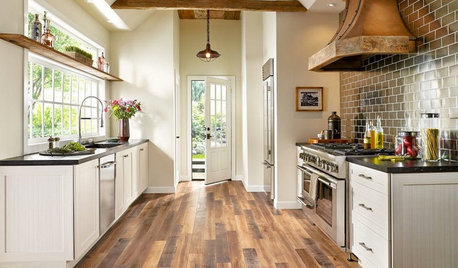
MOST POPULARPros and Cons of 5 Popular Kitchen Flooring Materials
Which kitchen flooring is right for you? An expert gives us the rundown
Full Story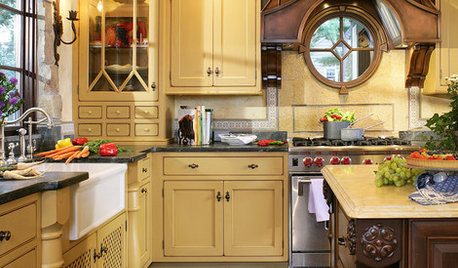
KITCHEN DESIGNExpert Panel: Kitchen Color
Bright kitchen or sedate? Colorful or muted? Get expert insight from pro designers on choosing the right color look for your cooking space
Full Story
FARMHOUSESHouzz Tour: German Tradition Deep in the Heart of Texas
Rooted in architecture from the 1800s, this award-winning home mixes history with the vernacular of today
Full Story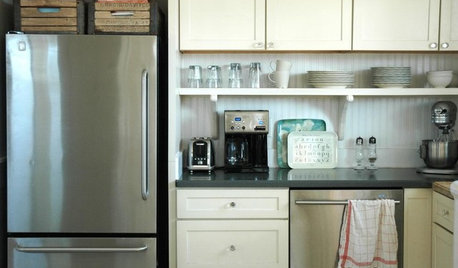
KITCHEN DESIGNTrick Out Your Kitchen Backsplash for Storage and More
Free up countertop space and keep often-used items handy by making your backsplash more resourceful
Full Story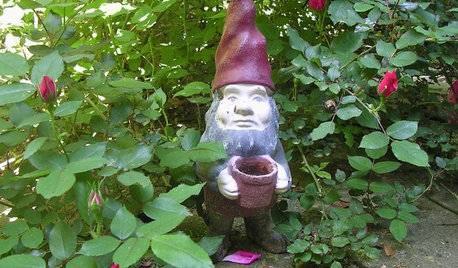
Houzz Call: Show Us Your Garden Gnomes
These decorative little German characters are popular again. Share a photo of yours, and it might appear in a featured ideabook
Full Story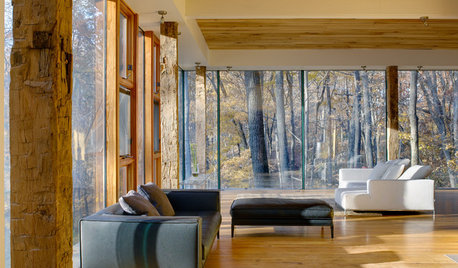
ARCHITECTUREModern or Contemporary Architecture? The Interiors Edition
See how one expert distinguishes between two popular camps of interior architecture. Do you agree with his choices?
Full Story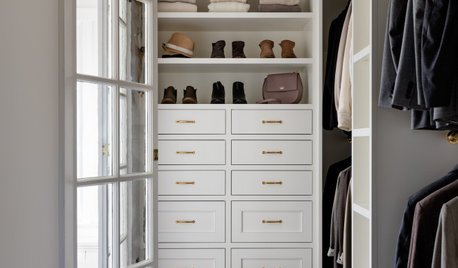
ORGANIZINGProfessional Tips for Organizing Your Clothes Closet
As summer draws to a close, get expert advice on editing and organizing your wardrobe
Full Story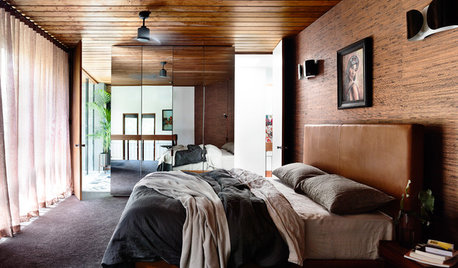
FEEL-GOOD HOMEThe Pros and Cons of Making Your Bed Every Day
Houzz readers around the world share their preferences, while sleep and housekeeping experts weigh in with advice
Full Story
PETS6 Ways to Help Your Dog and Landscape Play Nicely Together
Keep your prized plantings intact and your dog happy too, with this wisdom from an expert gardener and dog guardian
Full Story
DECORATING GUIDESHow to Make Wood Tones Work for You
Avoid the ski lodge look by using the rule of three, creating texture, adding pattern and more to expertly mix wood types
Full Story


pkramer60