

Okay, let’s talk corn
last year
Featured Answer
Sort by:Oldest
Comments (63)
 last year
 last year
Related Discussions
Growing Two Types of Corn
Comments (1)If you are talking two varieties of sweet corn, for example, a mid-season and a late-season variety, then no, no problem. You are just extending the season. If you are talking about a sweet corn and a flour corn, probably no problem--they will probably tassle at different times (a sweet corn listed as 95 days to maturity means the sweet stage, milk corn, and a flour corn listed as 95 days means dry stage--anyway, the sweet corn would tassle and ripen later than the flour corn). If you are talking about an old-fashioned sweet corn and a new-fangled suggary enhanced super shrunken head honey dripping tasteless sugar cube corn that ripen at the same time, supposedly the cross-pollination will make the sesshhdtsc corn tough. Don't know. Never tried to grow it, as you can kinda read my opinion of the flavor in my description there. And finally, crossing different varieties MAY cause slight differences in flavor and texture (after all, you are eating the seed, and the seed is where the change is developing), but unless you want to plant those seeds next spring and grow a new crop from them, it doesn't really matter one way or another. You are eating the evidence, after all. Catherine...See MoreLets talk about coco coir
Comments (21)Nice to see another zone 8 coco grower. What part of zone 8 you in? I'm in Waco, TX From what I've read, the number 1 reason people have problems growing in coco coir is they treat it like soil. Coir is a hydroponic medium, and should be treated as such. I have 5 pepper plants and 1 cherry tomato plant on the patio growing in coco coir / perlite mixed about 7:3. I'm currently hand watering every day or every other day, using Hesi coco nutrients (a 1 part fertilizer designed specifically for growing hydroponically in coco). I feed 12 ml of nutrient mixed with 4 L of water, pH'd to about 5.8 The trick is to feed until you have run-off (approx 10-20% of what you watered should run out the bottom). Never let it dry out. Watering til that much runs out does two thing: 1)flushes the medium with every watering, preventing build up in the medium. 2)ensures you maintain a fairly consistent level of nutrient in the medium. Fluctuations in ec/ppm & pH = no good. I was a little leery at first to water that much. I was always told too much water is the most common mistake people make. Well, with coco, forget all that. The more often you water, the better off you'll be. Since the coir is so coarse, it will always have plenty of oxygen trapped inside, unlike most mediums that become water-logged and drown roots....See MoreCalling all Southerners! Let's Talk GRITS.
Comments (40)There are plenty of things to add to grits to make them tasty, just like there are many different ways to use a tortilla. Tip on cooking grits: DO NOT FOLLOW PACKAGE INSTRUCTIONS!!! Instead, combine the quick grits with cold water and stir to combine. You can add butter, celery (this adds crunch and helps the texture), chopped bell pepper, chilies, garlic, Cajun seasoning, and your favorite salt and stir altogether before heating. Or you can just make them plain, but do NOT boil the water first! If you put the grits into cold water, you will not have any lumps, but if you add grits to boiling water, you have to whisk vigorously to prevent lumps, and this is completely unnecessary. I do not understand why anyone boils the water first, except that that is what the package instructions tell them to do. Those instructions are wrong! If you are cooking stone ground grits, you will need to soak them first in plain water - do not add salt or other ingredients until the grits have absorbed all the water. I start with two cups of water and 7/8 cup of stone ground grits. For a quick soak, bring the grits and water to a boil, constantly stirring, simmer for one minute, and then remove from heat and cover. They should absorb all of this water in one to two hours. Add additional water for cooking, if necessary. I generally use less water than package instructions because I add vegetables that have a lot of water in them, like celery and red bell pepper. I also bake the cooked grits with sausage, cheese, and egg, which I add after the grits have simmered, covered, for five minutes. I mix water with the eggs (because I held back on water in the first cooking) and add them after I add the cold sausage and cheese - therefore I do not need to temper the eggs. I made grits for breakfast this morning, and I did not have bell pepper or dried bell pepper, and so I used some dried chilies (from India) that I had not used before, for heat instead of my chili sauce. I also used some Ancho chili paste instead of salt, for a more intense chili flavor, but generally I had some Knorr chicken bouillon in place of salt. I've decided that I like this dried bouillon, despite what others may think. It's also very convenient to store. If I add dried vegetables to the grits, I also add a bit more water. The dried vegetables are very handy to have, but frozen vegetables are good too. Normally, I add frozen corn before I add the egg mixture, and this also cools down the grits....See MoreWeek 3, May 2017 General Garden Talk,
Comments (90)I'm so far behind I'll never catch up but I did read everything and I'm keeping my response minimal since it is time to start this week's new thread. Amy, Time off from a garden can be good. We all work too hard at this time of the year. Hazel, The best way to dig is with a special potato fork that has rounded edges on the prongs so they don't stab the potatoes, but I'm too cheap to spend money on a tool I'd only use a handful of days per year, so I used a transplanting spade with a rounded edge. Start further out than you have been and proceed slowly and with patience in order to avoid cutting into potatoes. Just use the cut ones first as sometimes they do not scar over and heal (though sometimes they do) and the ones that don't scar over will not store for long. A tomato knife is essential for someone who grows and processes as many as I do, and I did find one yesterday. I had to buy an entire cutlery set to get it, but it was an inexpensive set so I didn't mind. I wanted that tomato knife. I am going to go online one day and order a couple more. It is just I have tomatoes piling up everywhere now and need to be able to quickly cut them and use them and the tomato knife makes it easier. Melissa, Don't worry about being behind. Some years are just that way. We all have to work with whatever weather conditions we get. I am so sorry about your niece's injuries and will keep her in my thoughts and prayers. What a horrible way for her summer to start. I saw the story on the news and was horrified at the thought of those kids being in that bounce house when that happened. Jerry, That is an amazing corn story. Sometimes plants can be so resilient and I think often that many gardeners are too quick to write them off and either yank them out or plow them under instead of letting them recover on their own. Nancy, In your case, because of all the rain you have received, it is a good thing that the tomatoes are not closer to harvest. If they were, the excess moisture likely would ruin the flavor. Flavor is best if they are kept pretty dry as they approach harvest. So, for me, as much as I lament the lack of rainfall down here, it isn't really a bad thing for the tomatoes as it means their flavor compounds won't be watered down and they won't be suffering from cracking and splitting either. The first time I grew Mexican sunflowers, I wasn't prepared for how big they'd get. I space them much better nowadays so they don't crowd out everything else. Our dear, sweet Mary normally grows a ton of veggies and cans all summer long, both of which are a huge amount of work, of course. She is trying to take off this season in order to recover from what I'd describe as a major cardiac event so hasn't been posting here much. I was so happy to hear from her the other day and to know she is going to have a few plants. I think plants can be great therapy as someone recovers from a medical issue, as long as you have the self-discipline not to overwork yourself while tending those plants. Mary, if you read this, I keep you in my thoughts and prayers and hope you make a full recovery so that next summer you can be back to your usual growing and canning. Amy, It is odd that cabbage refuses to cooperate with you. It is about the easiest thing I grow. I just plant them and forget about them, which is easy to do if you grow your brassicas under netting to exclude the cabbage worms and such, which I do. When they're ready, I harvest. I do plant cabbages with short DTMS in the 60s-low 70s so that they finish up fairly early here. That's more because I want to put a sucession crop in their place before the weather gets too hot than anything else. When I've grown varieties with longer DTMs, they've done fine too and I've almost never had a head of cabbage try to bolt. Rebecca, I'd just cut off all the damaged leaves and let the Brandy Boy put out new growth. It likely would be fine. Nancy, Cucumbers planted late will do fine. I planted my pickling cukes late on purpose (just last week I think, or at the end of the week before), except for 2 early plants I planted in late March, so that I could spread out the canning load. The cucumber plants from the seeds I just sowed will not be producing a harvest until I'm through canning tomatoes, which was my goal. Having too many things that need to be canned all at once can be a real problem, so I try to control the canning workload by using planting dates to spread out the harvest. You even can get a good cucumber harvest from cucumbers planted in July down here, and I expect it is the same up there. My honest opinion is that if you want more sun, get your sweet husband to cut down that tree now. As time goes on, the shade situation just worsens. I speak from experience. Now that you two both are enjoying gardening so much, it will be important to maintain sunny areas for your veggies, fruits and sun-loving flowers. There is a place in each landscape for both sun and shade, and too much shade (though shade is highly desirable in our hot summers) is not a good thing. Okay, it is Monday moring and I'm headed off to start this workweek's new weekly garden talk thread. Dawn...See More last year
 last yearlast modified: last year
- last year
 last yearlast modified: last year
 last yearlast modified: last year
- last year
 last yearlast modified: last year
- last year
- last year
 last year
- last year
 last year
 last year
- last year
- last year
- last year
 last year
- last yearlast modified: last year
- last year
- last yearlast modified: last year
- last year
- last year
- last year
- last year
 last year
 last year
- last year
 last year
- last year
- last yearlast modified: last year
- last year
 last year
 last yearlast modified: last year
- last year
 last year
- last year
- last year
- last year
- last year
- last year
- last year
- last yearlast modified: last year
- last year
- last year
- last year
- 11 months agolast modified: 11 months ago
- 11 months ago


Related Stories

HOUSEKEEPINGIt’s Time to Clean Your Gutters — Here’s How
Follow these steps to care for your gutters so they can continue to protect your house
Full Story
MOST POPULARKitchen of the Week: Swapping Out the 1980s for the 1890s
Beadboard-backed open shelves, a hearth-style stove surround and a roomy table are highlights of this Massachusetts kitchen
Full Story
HOUZZ TOURSMy Houzz: A Paean to the 1950s and '60s in Pennsylvania
With vintage furniture, a sunken den and pristine original details, this home is a true homage to midcentury style
Full Story
HOUZZ TV LIVETour a Designer’s Home Workspace and Get Layout Tips
Designer Juliana Oliveira talks airy desks, repurposed rooms and cord control in the latest episode of Houzz TV Live
Full Story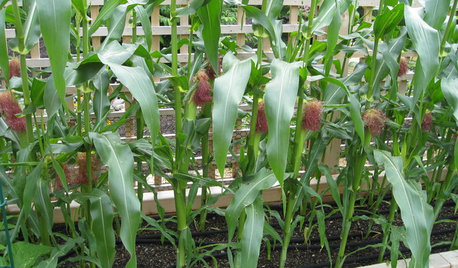
SUMMER FRUITS AND VEGETABLESHow to Grow Your Own Fresh, Sweet Corn
Here's how to plant and care for your own mini cornfield
Full Story
FUN HOUZZHouzz Call: What’s on Your Refrigerator?
Magnets, menus, children’s art, coupons, perfect-attendance certificates, song lyrics — what is fridge-worthy in your house?
Full Story
KITCHEN DESIGNExpert Talk: Design Lessons From 9 Stunning Kitchens
Architects share a behind-the-scenes look at the design decisions for some of their most interesting kitchen projects
Full Story
CONTRACTOR TIPSHow to Check the Quality of a Contractor’s Work
Make sure your remodeler lives up to promises and expectations before you make the hire
Full Story
GARDENING FOR BUTTERFLIESGardening for the Bees, and Why It’s a Good Thing
When you discover how hard bees work for our food supply, you may never garden without them in mind again
Full Story
KITCHEN DESIGN11 Must-Haves in a Designer’s Dream Kitchen
Custom cabinets, a slab backsplash, drawer dishwashers — what’s on your wish list?
Full Story
lily316