

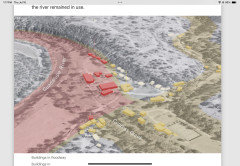
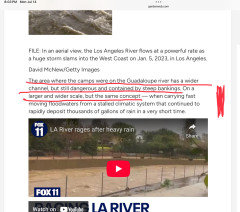
The devastating Texas floods…
last year
Featured Answer
Sort by:Oldest
Comments (53)
Related Discussions
BER devastating tomatoes
Comments (11)I would tend to keep off any form of lime if I were you-especially when dealing with tomatoes, as Lime tends to alter the PH of the compost too much and upsets the natural balance-especially in any form of containers.and should only be used if the compost is very acid like pure peat or ground up bracken ferns-but then most people would not use this on tomatoes anyway, especially in containers. On the other hand at the fear of sounding contradictory -if you are using a balanced container mix straight out of the bag of compost, I don't suppose that adding a little amount of pure Dolomite lime to the mix at the time it is used to fill the containers , would hurt- and perhaps benefit the tomatoes as they grow with no BER manifesting itself later-but on elongated tomato varieties -you will always be taking a chance, in trying to grow them in containers. The only and best form of lime to use -if you can get it -is Dolomite lime but not all garden centers and supplies keep it, they usually only stock the more common form of lime in bags,Dolomite lime contains just the right amounts of Magnesium and other elements to make the conditions in your soil just right, in clay type soil another important element to add is Gypsum which makes a whole lot of difference to clay soils and makes it more friable and manageable. With container mixes if you add a small quantity of Calcium Nitrate to the container mix before using it in the containers it will mostly eliminate the problem from starting in the first place, but if you forgot until BER showed on the first truss-you can add it by watering it in from then on in weekly doses and it will stop it in it's tracks by the time the second and third truss has formed, despite what some sceptics are saying. It is always much harder to stop BER in any type of elongated tomato as they seem to be a BER magnet for the complaint, so this type of tomato must be treated early in order to deal with it. Round tomatoes and Beefsteak tomatoes will also get it too, but are much more easily treated and stopped than the elongated type, cherry tomatoes on the other hand never seem to get it at all- I have yet to see any cherry toms with any form of BER whatsoever....See MoreWe are flooding here in Texas
Comments (13)I am in a small city just inside of Fort Worth. We got hit hard last night, and I rained for about 6 hours today. Not rained, but buckets of water. I just feel awful for the families here. Haltom City is a low area, and when it gets this bad, many are flooded and homeless for many days. I remember a family lost a small child last year to swollen waters and flooding. Water in these conditions is nothing to mess with. Trin...See MoreDevastation evaluated today.
Comments (37)No droopy plants or shrubs now, everything looked weighed down for several days. What is left of the beat up hostas is standing upright too, I’m in a quandary what to do with them. Ken would probably say to leave what’s there to feed the roots, just hard to look at them. The daylily leaves are browning a bit where their leaves were torn so they are looking a bit tired. Another sore spot is I might lose my campanula, a few heuchera and couple perennial geranium. We’ve had so much rain that there are curling leaves and yellowing happening. This garden is definitely having a less than stellar year. Sherry...See MoreDevastated over Cambria USA Counter Top Brittanica
Comments (39)It looks very fresh and new. You can absolutely tie them together well and it will look fabulous. I know how hard it is to have a vision in your head, and then how sad it is when what you end up with doesn't match the picture in your head. But I'd recommend trying to regain some perspective. No one has died, it's done well, and it's going to be beautiful. There is no way in heck I'd pay money to rip that out and start over. However everyone is different with money and I'm sort-of cheap. I save forever for major projects like this and I've learned one has to be willing to roll with the punches on a major reno. Stuff always takes longer, costs more, and looks a little different than what I saw in my head.......See More last year
 last year
 last year
 last year
 last year
- last yearlast modified: last year
 last year
- last year
- last year
- last yearlast modified: last year
- last year
 last year
 last year
- last yearlast modified: last year
- last year
- last year
- last year
- last year
- last year
 last year
 last year
 last year
 last year
- last yearlast modified: last year
- last year
- last year
- last year
 last yearlast modified: last year
- last yearlast modified: last year
 last year
- last yearlast modified: last year
- last yearlast modified: last year
- last year
- last year
- last year
- last yearlast modified: last year
- last year
 last yearlast modified: last year
- last year
- last year
 last year










Related Stories

DISASTER PREP & RECOVERYHow to Make Your Home Safe and Dry After Flooding
Follow this expert advice to get your house ready for rebuilding while you consider your options
Full Story
GARDENING GUIDESTexas Gardener's August Garden Checklist
Here's how to help your garden thrive from the hot, dry month of August through fall
Full Story
ARCHITECTUREHouzz Tour: A Most Unusual Trailer in Texas
With an air-conditioned bathroom, screened porches and a sleeping loft, this riverside trailer site has it all
Full Story
DISASTER PREP & RECOVERYFamily’s New Style Rises in the Aftermath of a Flood
After their damaged walls are demolished, homeowners realize they like the open space and decide to keep it
Full Story
HOUZZ TOURSHouzz Tour: Texas Family Trades Traffic Noise for Frog Songs
Modern glass and stone structures hug two waterways on a sprawling Texas Hill Country compound
Full Story
DISASTER PREP & RECOVERYHouzz Tour: Modern Farmhouse Emerges From Hurricane Sandy Devastation
A homeowner loses her cottage but gains a new energy-efficient, low-maintenance home
Full Story
MOST POPULARWhat to Do After a Hurricane or Flood
How you treat your home after a natural disaster can make all the difference in its future livability — and your own personal safety
Full Story
LANDSCAPE DESIGNFlood-Tolerant Native Trees for Soggy Soil
Swampy sites, floodplains, even standing water ... if you've got a soggy landscape, these trees are for you
Full Story
HOUZZ TOURSMy Houzz: A DIY Gold Mine in the Heart of Texas
From a sawn-down sleigh bed to book pages as wallpaper, the projects in this home are a testament to the homeowners' ingenuity
Full Story
HOUZZ TOURSHouzz Tour: A New Texas Farmhouse Pulls a Neat Trick
Fresh from the drawing board, this home for organic farmers in Austin looks remodeled and expanded over time
Full Story

petalique