

Latest List About Veggies
3 years ago
Featured Answer
Sort by:Oldest
Comments (13)
Related Discussions
Have: Herbs, veggies - Huuuuuge List of Wants
Comments (8)kddeford - oh dear, I'm still learning how this site works..I replied to you directly through my email but then realized it was only a notification that this thread had been replayed to. So I just want to ensure you got my reply: I'd love some Kentucky Wonder Pole Beans! How many seeds would you like to trade? I can part with up to 25 - they are TINY seeds, I've never grown them, just got them in the mail from Baker's Creek. ItzyBitzy - sounds good :)...See MoreWANTED: Minnie's updated list- lots of veggies, flowers, herbs
Comments (14)Hello littleminnie, Im intersted in trading Anchusa Dropmore some me 2011 baptisia australis some me 2011 Chinese Wisteria 50 local 2012 Only need a handfull of wisteria and baptisia. Let me know if i have anything you need. Thanks, Billy http://members.gardenweb.com/members/exch/youngent...See Moreideal PH/PPM for veggies list
Comments (9)Here I go again then? Both PH-range and Nutrient concentration (preferably in mS/cm =EC) aren't parameters that you can tune up and down as you wish, or according to some scale and for each and every plant. First of all with a nutrient solution, unlike in soil, PH for best availability and uptake of nutrients lays in a precise and limited range. This is between 5.8 and 6.2. This is the pros and the newbies target, nothing else. The charts (in question) for various plants are derived from soil culture and not of any (or very little) interest for hydroponics. Secondly (and again) this charts for nutrient concentrations in ppm, especially if not specified which conversion rate has to be used, are even more worthless. Why? Well for a set of reasons; 1. without telling the conversion rate of ppm, they could be anything. 2. without having a corresponding formula, a recommended concentration isn't helping to get even close to balanced. 3. Ideal nutrient concentration (including the formula) in fact depends (and varies widely) with weather conditions. For example: recommended nutrient concentrations used in commercial NFT farms for lettuce may vary from 1.0 up to 1.8 depending on season and/or UV intensity. 4. Nutrient concentration varies with a setup, notably depends on the kind and the amount of media you use. Hence a bucked (drip) system that tends to stock nutrients in the media, should be run with a lower Nutrient concentration as a DWC system. >>My thinking: Tomatoes like higher nitrogen (going of memory, not my notes) and lettuce likes lower.It's the exact opposite, proportionally a tomato formula has less nitrogen compared to potassium as any lettuce formula. In fact you have 2 types of tomato and lettuce formulas. In hot climate the nitrogen content for lettuce is lower as in moderate or cool climate. In one lettuce formula, the Potassium content is slightly higher as the Nitrogen (190/220 ppm), in the other it's the other way round (200/190 ppm). And, some greenhouse tomatoes (Holland) have been selected to tolerate high nitrogen ratios. Heirloom and many others will tend too excessive vegetative growth and less fruiting when fed with too high nitrogen ratios (versus potassium) in an early stage and also when blooming or fruiting. For newbies it REALLY draws down to a single line: as for PH target 6.0 and let it climb until 6.5 until you do anything (6.5 if in rarer cases if it tends to fall, then - let it go down to 6) As for nutrient concentration: leafy vegetables and low feeders between 1.2 and 1.5 and nightshade and long term crops from 1.5 to 2.0. That's all you have to know and to follow. You still can do your own experiments and tests in these ranges. Most importantly, get a EC-meter or adopt/convert to mS/cm millisimens per centimeter (commonly called EC). Forget about these ppm it's not something precise but obviously a kit and caboodle! It draws down to what I always say, either you know all of it or you don't know anything about it. Because superficial and pseudo-knowledge is in fact everyone's worst enemy....See MoreTomato selection and your veggie grow list
Comments (16)Thanks for posting this, it's very helpful. This is my first year gardening in the PNW, and I'm feeling a bit at sea with all the tales of tomato disappointment I've been seeing. Not that it wasn't difficult growing them back in South TX, where I had to hope they'd produce before the blast-furnace heat and disease stopped the plants. :( I'm glad to hear Sungold does well, as that's one tomato I don't ever want to be without. I would like to ask -- how large do Sungold plants get here (say, in the Willamette valley)? Back in TX, mine were easily over 6 ft tall. I'm wondering how big a cage I'll need here. The others I'm considering are divided into two groups: Ones I'm considering b/c I've heard they do well here: Anna Russian Legend Willamette Momotaro Carmello Bloody Butcher Northern Lights Japanese Black Trifele One's I don't think I can stand not to grow b/c I love them: Aunt Ruby's German Green Ananas Noire Old German/Pineapple/some other red/gold bicolor (suggestions?) If anyone's got opinions on these, I'd love to hear them. I tend to like low-acid tomatoes with a sweet/savory flavor, meaty flesh and not many seeds (like ARGG and many other large, oddly colored heirlooms) so suggestions on that type that might be successful here are most welcome. Also, what tomato and other vegetable cultivars can I expect to see in the nurseries and garden centers come spring? I'm not used to what people tend to grow up here, obviously, so I don't know which tomatoes I'll have to order and which I'll be able to find. As for what else I'm going to grow, well, I just planted sugar snaps today, and will probably plant trombocino/zuccheta rampicante once it warms up. I'd love to try more vegies, but honestly, I suspect a large part of my very small garden is going to be filled with the ornamentals I could never grow in TX -- dahlias, peonies, delphiniums, and annuals like nasturtiums and sweet peas....See More- 3 years ago



Related Stories

LATEST NEWS FOR PROFESSIONALSEverything You Want to Know About the Latest Best of Houzz Awards
The 2019 badges for pros just went out. We have your questions covered — and share some tips for next time
Full Story
SELLING YOUR HOUSEThe Latest Info on Renovating Your Home to Sell
Pro advice about where to put your remodeling dollars for success in selling your home
Full Story
LATEST NEWS FOR PROFESSIONALS11 Things to Know About Home Renovations Today
Here’s what the 2026 U.S. Houzz & Home Study reveals about remodeling trends, spending and more
Full Story
TILESource List: 20 Tiles That Make a Statement
Learn about the tiles that make these popular rooms stand out
Full Story
LATEST NEWS FOR PROFESSIONALS6 Bathroom Remodeling Trends Everyone Should Know About
Learn about big-picture design and renovation activity happening now, from the 2023 U.S. Houzz Bathroom Trends Study
Full Story
DATA WATCH10 Outdoor Renovation Trends Everyone Should Know About
See the latest on features, furnishings, pro hiring and more from the 2024 U.S. Houzz Outdoor Trends Study
Full StoryLATEST NEWS FOR PROFESSIONALS10 Outdoor Renovation Trends Everyone Should Know About
See the latest on features, furnishings, pro hiring and more from the 2024 U.S. Houzz Outdoor Trends Study
Full Story
WHITE KITCHENSWhite Cabinets Remain at the Top of Kitchen Wish Lists
Find out the most popular countertop, flooring, cabinet, backsplash and paint picks among homeowners who are renovating
Full Story
KITCHEN DESIGNA Designer Shares Her Kitchen-Remodel Wish List
As part of a whole-house renovation, she’s making her dream list of kitchen amenities. What are your must-have features?
Full Story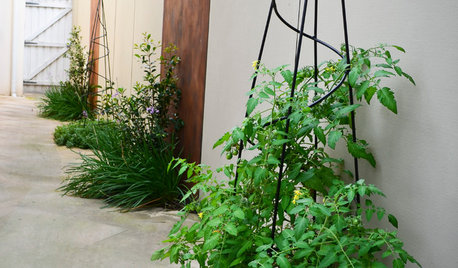
GARDENING GUIDES10 Unexpected Spots for Growing Fruits, Veggies and Herbs at Home
Look beyond the kitchen garden or backyard raised bed for growing your favorite edible plants
Full Story
HU-547125811