

Rocky Mountain ... oysters and the like
3 years ago
Featured Answer
Sort by:Oldest
Comments (14)
Related Discussions
Greenhouses in the northern Rocky Mountains
Comments (1)I find this very interesting. I am a novice at both gardening and the art of season extension. I had never even read the packaging on a solar panel until last summer so I am floundering with this technology - but it is so much fun. This is like tinker toys for adults! I have a small 6 x 8 palram polycarbonate greenhouse. It sits on a deck. I created a trough inside the greenhouse using 2 x 6's, a rubber liner and then topped it with leftover ceramic tiles that I had so that this square footage was still usable for plant placement. I then made myself a solar water heater with pop cans, paint, pvc, plastic, wood and which originally worked using thermosyphoning but I considered that too slow a movement so I added a small water fountain pumps run by a solar panel. It is direct connected - no sun, no heat, no movement. Sun out, the water circulates to heat up the trough. It is not a huge gain, but I don't pay for any energy to run this spring throughout the fall. I have bought a deep cell battery and have additional solar panels set up in preparation to store energy for after sundown use - not to operate the pump, but for lighting or to run an ozone generator from time to time. I did try to insulate some for the later fall season using Johnny seeds bubble stuff but there wasn't much use to this. I do have a natural gas heater but shut it down for February and most of March because my GH is too leaky and I see no reason to pay to heat the outdoors. I will take you advice and do a better job of sealing the GH this year. I am also building a cold frame and will be making bases for two small pre-fab cold frames. I plan to have these completed by the end of next week. Our ground is still frozen so I won't be able to properly prepare the area for these to fit over for maybe another few weeks. I am champing at the bit. Come on thaw! Thanks for sharing your ideas with us. I will be looking forward to your posts....See MorePlease define Rocky Mountain 'CLAY'
Comments (18)"I'm shocked. They WANT the rain water to go to the storm drains? " Yes. "If the rain lands on my roof... shouldn't I be able give some to my plants?" No. It doesn't belong to you. It belongs to somebody downstream from you. I've done some reading on the water rights laws and if you try to get your arms wrapped around things, some of the odd things are really remnants of things that were codified when they were trying to ensure there was enough water for the cattle and sheep. Way back when, if a rancher had a stream and built a dam, he could build up a big reservoir of water and make sure he always had enough water for his cattle. But the people who lived downstream would suddenly find that the stream had dried up and they couldn't get water for their sheep (or themselves). Don't you remember all those old westerns where the mean cattle baron was trying to starve out the hard working settlers and/or sheep farmers in the valley? And then somebody (who used to be a hired killer or something) ends up saving the day for the sheep farmers? Shane, Trinity, Angel and the Badman are examples. So there are all kinds of agreements in place as to who owns water in various places, how much they can dam, how much they can use in a year, how much they can sell to somebody else, and so forth. Technically, I think the way the laws are written, they don't say who owns the water, but who owns the rights to the water. In most cases, unless you own the rights to do so, you can't stop water from flowing to the people downstream from you, who own the right to use it (or part of it) but also probably don't own the rights to stop its flow (so the sheep farmer in the valley can keep his sheep alive). I think there is also language in some of the laws that basically gives precedence to agriculture over cities and towns (probably because it was so important at the time to keep the ranch animals alive). And there's often language giving precedence to the oldest rights (so ranches that have been in the same family for generations ahve more rights that people who have recently acquired rights. There are also some odd laws WRT gray water. In some parts of the country, there are laws against using gray water for plants because the thinking is that there could be hygiene issues. In the west, the laws are in place because you don't buy the water, you buy the right to use the water once. The key is that you buy the right to use it once. After you've used it, it belongs to somebody else. So you can put a bucket in the shower to catch the water while it's warming up (since you haven't used that water yet) but once you step in, you're not supposed to catch the water because you've used it to shower. I think there are a lot of problems with the way the water rights are doled out. One of the biggest is that when they decided how much water each state should be given, they did it in a period of historically high precipitation. Some people say that they made it worse by overestimating how much water was there. The end result is that there is a lot more water "owned" than there is actual water. I'm convinced that it's going to get much worse in the years ahead. I've been replacing my lawn grass with native grasses that use much less water than traditional grasses. I should be able to keep my lawn green without watering until late June or early July and only watering 1-2 times a month. In contrast, most of my neighbors water daily (to make a better comparison, I've been watering once a week except in the hottest part of the summer, when I water about once every 5 days)....See MoreGood roses for high altitude Rocky Mountains climate
Comments (20)I have a couple of rose suggestions for you, though I am in a warmer zone, John Davis, one of the explorers, grows into a nice cascading shrub, very vigorous. Admittedly it doesn't have fragrance but it's other attributes well make up for the loss. Double blooms in profusion, great repeat even without deadheading. In fall the foliage turns orangey red and it will get small hips if you leave some blooms to mature. In the winter the canes are lovely red. Mine deserves a more prominent spot than where it is planted. None of the roses I grow have as long a season of interest as this one. Darlow's Enigma is a found rose, vigorous, massive clusters of single blooms. Though the blooms are single, the fragrance is the thing. This one wafts. Now I know nothing about whether it's hardy at your elevation but helpmefind and High Country Roses list it as zone 4, so it may work for you. A couple more Canadians that I don't grow but want are Isabella Skinner/Victorian Memory(said to waft according to the link I will provide), and also Quadra (a very double red) but I don't think it's supposed to be fragrant. Check all of these roses out at Help me find. Also there are many roses societies in Co, you might find even more suggestions by contacting them rockymountainrose.org Oh, and I have roses that came from Heirloom and High Country Roses. Heirlooms are bands and High Country's are a little larger with more branching. My Darlow's and and John Davis were Heirloom bands and did just fine. The folks at High Country are very nice and could probably suggest more roses if you called them and explained your criteria. Good luck Barb Here is a link that might be useful: Isabella Skinner/ Victorian Memory...See MoreAncient Rocky Mountain Gardeners!
Comments (3)Fascinating! I only ever thought of barley as an old world crop, the kind essential to brewing beer ;). In fact the only cereal grain I had ever heard about coming from the Americas was corn. How very interesting! You could probably throw sunflowers into that mix as well. Though, the reading I have done follows yours in that many of the plants such as sunflowers and goosefoot (chenopodium, which would fall in the amaranth family), weren't necessarily "cultivated" but sort of "followed" human habitation and agriculture. Kind of an Indian version of "weed cuisine" haha. I also was reading an interesting article on peppers from NSS a little while back. While chilies were gathered and used frequently by the Indians in places like Mexico, further north, in areas like the Four Corners region, they never really caught on. The Indians there preferring a more "bland" diet....See More- 3 years agolast modified: 3 years ago
 3 years agolast modified: 3 years ago
 3 years ago
- 3 years ago
- 3 years ago




Related Stories
GARDENING GUIDESRocky Mountain Gardener's August Checklist
August may be hot, dry and dusty, but with care and planning, your garden will continue to thrive
Full Story
GARDENING GUIDESRocky Mountain Gardener's March Checklist
Ride out fickle weather by forcing flowers, planning indoors and heading outside to spot blooming bulbs when you can
Full Story
TRANSITIONAL HOMESHouzz Tour: Rocky Mountain Style in Southern California
A designer found on Houzz helps a homeowner bring her sophisticated take on mountain casual style to life
Full Story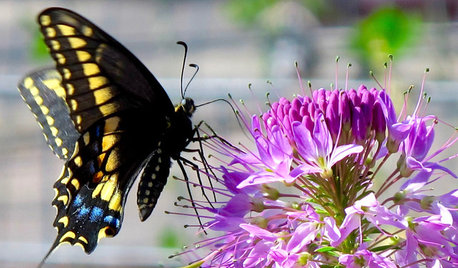
FLOWERS AND PLANTSPlant Rocky Mountain Beeplant for Late-Summer Color and Pollinator Buzz
Add pizazz to your garden with this native annual. Its vivid pink flower spikes are magnets for butterflies, bees and hummingbirds
Full Story
GARDENING GUIDESRocky Mountain Gardener's May Checklist
Follow nature's beckoning and enjoy the extravaganza; summer gardens are a blooming wonderland in the Rocky Mountains
Full Story0
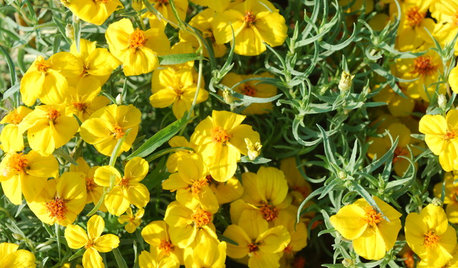
GARDENING GUIDESGreat Design Plant: Rocky Mountain Zinnia Brightens Hot, Dry Spots
Sunshiny flowers provide a showy drift of color in desert and prairie gardens — this native perennial is hardier than it looks
Full Story
PORCHESPorch-Happy: Outdoor Living With Rocky Mountain Views
This rustic Montana porch with an outdoor kitchen and a stone fireplace can be enjoyed year-round
Full Story
ROCKY MOUNTAINS GARDENINGRocky Mountain Gardener's December Checklist
Enjoy nature's bare winter beauty, stay active and don't forget gifts for fellow garden lovers
Full Story0
GARDENING GUIDESRocky Mountain Gardener: What to Do in June
Join the edible-garden club, deadhead spring-blooming plants around the landscape and make sure to fit in an inspiring garden tour
Full Story
GARDENING GUIDESGreat Design Plant: Rocky Mountain Bristlecone Pine
Try this drought-tolerant small evergreen for its sculptural beauty and slow-growing nature
Full StorySponsored

Columbus Design-Build, Kitchen & Bath Remodeling, Historic Renovations
linda campbell