

Confusion at the gas pump
4 years ago
last modified: 4 years ago
Featured Answer
Sort by:Oldest
Comments (41)
Related Discussions
Confused on Gas Log set vs Sealed Gas Insert
Comments (5)Andrelaplume2, a few comments. You do not state where you live. I have a similar situation. I have a 20 year-old, 1700 square-foot, all-electric, split foyer home in Baltimore. I have been in the house for 5 years. The heat pump is original Trane (we should count our blessings that they have lasted 20-plus years). I have a masonry fireplace in the below-grade family room. I have allergies (dust, pollen, grass, weeds, cats, etc - I get an allergy shot every 3 weeks and have been doing so since childhood). I have been using my fireplace w/one-of-a-kind wood-burning insert to suppliment the heat pump. The insert raises the temperature of the family room from 65 to 72 degrees. The thermostat is in the living room and set at 68. The layout of the house is not open so the heat does not directly go to the second floor living area (where the thermosat is located) and bedrooms, but it does add BTU's to the house and heats the floor of the living room. The fireplace does not affect my allergies. Neither does mowing the lawn. Are you so sure of the effects of wood-burners on your allergies that you write-off the best sources of heat from your masonry fireplace (wood/pellet insert or stoves)? Propane and electric resistance heat are the most expensive sources of heat - and by a large margin as compared to other sources of heat. I run the house fan in the summer only. This does 2 things. First, it helps to move air in the summer (I have ceiling fans also). Second, the wife doesn't know when the A/C compressor cycles off so there is less of a chance that she is playing with the thermostat. You can run your house fan in the winter with your new heat source and see how it works. I find that there is cold-feeling air blowing out of the vents in the winter time when the firepace is going in the family room (there are no return vents in the family room in the ceiling). Is there a return vent in the ceiling near your fireplace? I agree with Bob Brown from the HVAC Forum that your basement heating should be done with your current HVAC system. When you replace your current heat pump, you can increase it's capacity if needed and add ductwork to your basement. My opinions....See MoreSeattle- Heat Pump/Gas Furnace vs AC/Gas Furnace
Comments (13)You should definitely be pricing with just heat pump. I live in NC which probably is a bit colder in the winter. We get down to the teens but only 15 nights a year maybe. Our winter average low is about 30. Under 10 degrees is definitely a news story. I have 5000 sq ft. I'm looking at my NG bill of $30. I have dual fuel and seer 16 heat pumps. Last winter was very cold and I spent about $700 with $200 being gas. This winter is going to be $120 in gas. My electric rates are similar to yours without the first 1000 discount. What is my point? Your gas usage will likely be $100 a year. Even if that were replaced with all heating strips, you'd be saving $200 a year or so. Since it would probable be 80% heat pump still, the dual fuel is only saving you $40 a year. So a $2500 furnace to save $40 a year seems a little crazy (on dollars alone). Turns out for me, it is probably worth it but only marginally so. I have a 90% (which you should be able to do as mine is basement with horizontal PVC exhaust). It probably saves $60-$70 on an average year. Probably cost $2000 (new house - I can't remember). What is that a 30 year payback (or never if you count interest or NG rates increase)? You do get some flexibility and you can setback at will with dual fuel. That is worth something....See MoreI'm so confused over Mini-Splits, Central A/C and Heat Pumps
Comments (5)heat pump, central air and heat and a mini split as far as cost of operation? heat pump same as central air and heat except that the heat pump provides the bulk of the heat. this is what I recomend to my clients based on savings compared to electric strip heat. with heat pumps the electric strip is emergency heat and for when temps are 30 degrees..which is not that often for us. central air is electric strip heating only. the most expensive way to heat your home. (espically if you have entergy for your utility provider) mini splits are pretty cool. expensive but fit a lot of needs and great for tight retrofit spots. the condensing unit goes outside like with any set up, but this is where it changes. in each room the air is provided by a wall mounted air handler unit. the condensing units are up to 3 tons. each room would have the ahu..this is what they are calling zones. cost is higher, but you don't have ductwork, so it evens out a little better. with the foam insulation & low e windows your tonnage of ac required will be less. although I don't recomend 'rule of thumb' sizing instead of the ususal 400 to 500 sq ft per ton, your house will be more in the range of 600 to 700 sq ft per ton. oversizing will cost more to operate, wear the equipment out sooner, and will NOT dehumidify. be diligent in finding out what is being spec'd for your home and what options are available for you. some systems will qualify for tax credit, and it is always a good idea to do better than the legal minimum allowed by law (code). in what part of La. are you building? best of luck....See Moreheat pump/gas furnace or AC/gas furnace
Comments (17)The DOE has worksheets that can help you calculate the relative cost of heating and cooling with different systems using your current energy costs. Of course you need to predict the relative costs over the next decade or two to really tell what is best. How is your crystal ball working? I would like to clear up a couple of common misconceptions. One type of heat does not dry a house in the winter any more than another. Leaky house envelopes dry houses. Heat by flame of some sort might dry a house more because they draw more outside air in if there is not a source of outside combustion air. That would be the only mechanism. There is nothing special about heat pumps in poorly-insulated, leaky homes. No heat or air conditioning source works as well in that situation as well as they do in tighter, well-insulated homes....See More 4 years ago
- 4 years agolast modified: 4 years ago
 4 years agolast modified: 4 years ago
 4 years agolast modified: 4 years ago
- 4 years ago
 4 years agolast modified: 4 years ago
- 4 years ago
 4 years ago
- 4 years agolast modified: 4 years ago
 4 years ago
- 4 years ago
- 4 years agolast modified: 4 years ago
- 4 years ago
- 4 years agolast modified: 4 years ago
 4 years ago
- 4 years agolast modified: 4 years ago
- 4 years ago
- 4 years ago


Related Stories
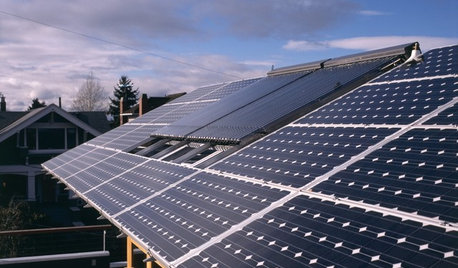
GREEN BUILDINGLet’s Clear Up Some Confusion About Solar Panels
Different panel types do different things. If you want solar energy for your home, get the basics here first
Full Story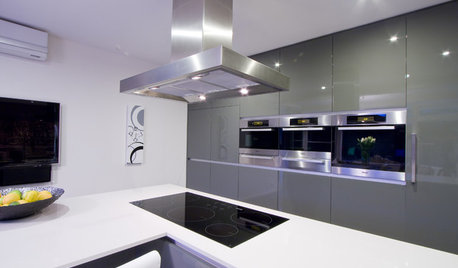
KITCHEN APPLIANCESFind the Right Cooktop for Your Kitchen
For a kitchen setup with sizzle, deciding between gas and electric is only the first hurdle. This guide can help
Full Story
HEALTHY HOMEWhat's the Deal With Radon?
Get the facts on testing for this cancer-causing gas — and how to make your home safe if it shows up
Full Story
FURNITURESmart Shopper: How to Buy a Mattress
Confusing options, hair-raising prices, haggling ... Our guide can keep you from losing sleep over mattress shopping
Full Story
LIVING ROOMSHow to Convert Your Wood-Burning Fireplace
Learn about inserts and other options for switching your fireplace from wood to gas or electric
Full Story
KITCHEN DESIGNHow to Design a Kitchen Island
Size, seating height, all those appliance and storage options ... here's how to clear up the kitchen island confusion
Full Story
GREEN BUILDINGEasy Ways to Save Money on Energy Bills This Winter
Simple changes can cut down your electric and gas bills as the days get colder
Full Story
MY HOUZZMy Houzz: Renovation Brings Energy Efficiency to a Netherlands Home
A family of 5 tackles a potentially large gas and electric bill in a 19th-century house
Full Story
HOUZZ TOURSHouzz Tour: Better Flow for a Los Angeles Bungalow
Goodbye, confusing layout and cramped kitchen. Hello, new entryway and expansive cooking space
Full Story
HOME TECH7 Ways to Charge Up and Connect After Disaster
Products and tips for communicating and keeping essential items running till the power's back on
Full Story
Lukki Irish