

Different bread... new for me
5 years ago
Featured Answer
Sort by:Oldest
Comments (9)
Related Discussions
New (to me) bread making
Comments (10)mnwsgal: I'm going to write this up (very detailed, I'm AR!) for the mixer version. It really is good and everybody asks for this all the time: "Giuseppe, you making the bread to go with the spaghettis?". I even wrap it and give it away as a little Xmas gift with a small bottle of olive oil (and mixed herbs and spices) for dipping. I'll send this to you via email. If anyone else would like a copy, please email me and I'll send it along....See MoreQuestion on new old bread machine?
Comments (2)I have a Zojirushi and it does everything according to a pre-set timer - which was magically determined after lots of testing, I'm sure. On the Zo you can override these pre-set selections and create your own. When you select a particular course, it's because of the bread type and/or yeast type used (active dry yeast or one of the fast-rising yeast products - SAF-Instant, Bread Machine Yeast, Rapid-Rise, or Quick-Rise). Bake time is also according to a timer. I bake in the oven according to the internal temperature of the loaf, not a timer. Bread is done at certain temperatures, and different temperatures for different types of breads. Bread machines are nortorious for over- and under-baking bread. Next time you bake in yours, take the loaf temperature with an instant read thermometer when it's done; and if it's over 200F for a basic loaf of bread, it's over-baked. Internal temperatures of 205°-210°F are best for free-form Artisan breads baked in really hot ovens, not sandwich bread. I like some breads best when they are baked to 195°F. You can also be deceived to the doneness of the bread because of the crust color. Bread is done to internal temperature, not crust color. Most machines will also let your choose your crust color (light, medium, dark). On a Zojirushi-V20: BASIC - This setting is for baking a basic bread using ACTIVE DRY YEAST and this course takes 3:30. BASIC WHEAT - This setting is for whole grain bread using active dry yeast and this course takes 3:40. QUICK - This setting is used for quickly baking a basic bread and you MUST use a FAST-RISING YEAST. This course takes 1:58. It only requires a short rising time because a fast-rising yeast product is used. (I also have a QUICK WHEAT setting.) Personally, I only let the bread machine do the grunt work of the mixing and kneading. I never leave the rise to a machine set on a timer. Dough rises according to the ambient air temperature, the humidity, and the strength of the yeast - NOT a timer. I can develop more flavor by a long, slow, cool rise outside the bread machine. I always remove the dough when the kneading is over and watch the rise in a dough-rising bucket myself. Because I use 100% freshly-milled wholegrain flour, it doesn't have the extensibility to go to "double", or over. If I used "double" as my standard, that is actually over-proofing the dough. Todays unbleached and bleached flours are no longer bromated and they don't have the extensibility they did when flour was bromated and "double" was the rising standard. If you allow dough to over-proof during bulk fermentation, you won't have the "umph" it needs for the oven-spring. I also like to use more methods of bread-making than direct (straight) dough (which is what the bread machine is designed to do). I also use the bread machine for a sponge method and sourdough method, and the pre-set times don't work for those methods, but the bread machine is EXCELLENT for kneading. Better than a stand mixer (which tends to aerate dough) or by hand. This is why the King Arthur Test Kitchens use the Zojirushi for making bread dough - instead of stand mixers or by hand. Sourdough takes much longer to rise than the pre-set times on a bread machine. I leave a sponge set for anywhere between 2-1/2 hours to 12-hours. These long methods develop a lot of flavor you can't get when using a Quick Cycle and get a loaf of bread, start-to-finish, in 1 or 2 hours (some machines in 45-minutes). I also follow other bread-making science that isn't part of a bread machine-style recipe. Such as when you add fat will determine the crumb of a loaf and can affect the rise of the loaf. Add fat early and it will have a shortening effect on the gluten and you'll get a close, almost cake-like crumb. Add fat late in the kneading and you'll get an open crumb and a higher rise. When salt is added early, it takes longer for the gluten to develop. Add the salt later and the gluten will develop quicker and better, but these facts fly-in-the-face of the convenience of dump-and run. I add both fat and salt according to what type of bread I'm making, not according to the loading instructions of the operating manual. -Grainlady...See MoreSuggestions for New Bread Machine
Comments (11)Zojirushi makes two sizes in bread machines. The large one does bake a horizontal loaf and is an excellent machine. But, like many of the others here, I used it most for the dough cycle and then shaped and baked the bread in my regular oven. The large machine is large and expensive. It takes up a lot of counter space and it heavy, so moving it in and out of a cabinet would be awkward. I had this machine for a while. But, we are empty nesters moving to a condo, and I could not justify the space for this machine. I purchased the smaller mini ZO, which makes a 1# loaf or up to 1.5# of dough, and it is wonderful. It has some features not available on the big Zo-- the french bread cycle kneads and bakes a perfect "crusty" small loaf, just right for 2 to 4 people. And I really like the dough cycle. Just last week, I made two loaves of semolina foccacia for a dinner party. I made them one at a time on the dough cycle, the first one shaped and baked while the second was kneading. Still left me lots of free time for other stuff and I had two gorgeous fresh loaves of bread for a large gathering. I keep my small Zo inside a lower cabinet and it lifts out easily with its attached handle. The footprint is small. If you read the ratings on Amazon, there are some complaints about the large ZO, but ratings for the small ZO are 100%. My only concern, not a complaint, is that when it was kneading the semolina dough which was very stiff, the machine did walk a bit. So, I keep it well back from the counter edge. (My KA mixer has done the same thing.) The mini Zo had no trouble kneading the stiff dough, nor did it overheat. Either Zo is wonderful, so it depends on your "kneads" ;-) and available space....See MoreNew Shipping Rates at Central Milling. Whatever. It's Bread.
Comments (10)YAAAAAAAYYYYYY! You're John Liu again! Side note, when I was talking about rolling out pies on plastic wrap (superior method, but wasteful of wrap), I mentioned that silicone mats weren't thin, transparent or flexible enough--but thought I should check again, and Amazon had some, I think. I just washed one. Still have to try them. They're meant as table protectors but are food grade. I'm so glad you checked again and got your name back!!! The weight gain isn't inevitable. I make one loaf at a time. It's easier and instead of tempting since there's plenty, it's make it last long enough to be happy to bake another. :) Even though the ABC+ flour (11.5% protein) is supposed to be good for "artisan" bread, which generally means high hydration, I've found it to be too weak. It's lovely for 50-60% hydration. KA's bread flour has 12.7% protein. It works fine for high hydration, over 80%. The Central Milling High Mountain Organic I used for this loaf is 13.5% protein, but I also had the whole wheat from the whole wheat starter, the ABC (no malt) and the Tony G pizza flour, so I don't know what the end result percentage was. I did make a truly high hydration loaf with a similar mix of flour, but KA Bread flour for the most part, last month, and it didn't hold the rise as well, which I ascribed to too much water, but I can't remember if it had other flaws. The crumb was similar, however. If you want chewy and elastic, I'd say go with at least 12.5%. I've made a lot of actual recipes for bread with flour under 12% protein and far less liquid. Nice tender crumb, but I don't think any of them would hold up really well to high hydration, same as the ABC+. So, note the big holes and voids. People task themselves to create these. I was looking for lacy just enough to make crannies for the toast butter. You get big holes and voids from it being too wet. The gluten breaks making the bubbles merge like bubbles in the tub. The trick is to have an open network of even holes without the loaf collapsing. This was a step in that direction, but I want lacy without voids, or at least, maybe one under the crust, but not so many. That's the trick. All that said, the rest is up to you. You know how to bake bread. There's plenty of organic flour of all types to pick from. I've just tried to give you some points of comparison. Check out the protein content of the flour you last used as well. This lovely chart by Antelope on The Fresh Loaf is out of date, but should be pretty accurate for the ones listed. One nice thing about Central Milling is they tell you what kind of wheat it is and the protein content. Chart: https://www.thefreshloaf.com/node/17045/protein-content-flour Have fun!...See More 5 years ago
 5 years ago


Related Stories
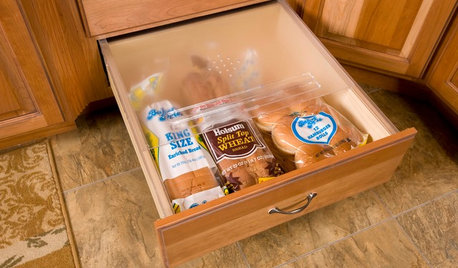
DESIGN POPBakers’ Home Storage Tips for Sliced Bread’s 90th Birthday
In honor of the bread slicer’s debut in 1928, we offer the best bread storage tips since, well ... you get it
Full Story
10 Different Ways to Use Wallpaper
Contemporary wallpapers in bedrooms, kids rooms, bathrooms and more
Full Story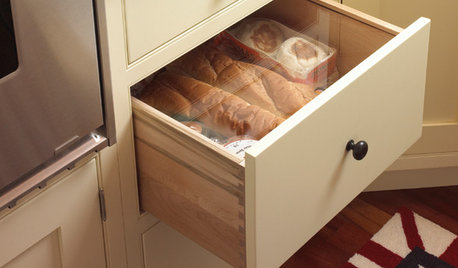
KITCHEN DESIGNKitchen Ideas for Bread Lovers
Any way you slice it, a kitchen designed with bread in mind conveys warmth and homeyness
Full Story
MODERN ARCHITECTUREArchitecture: How Details Can Make All the Difference
To know what makes a home design a hit — or near miss — you've got to understand this key ingredient
Full Story

FALL GARDENINGWhat Monarch Butterflies Taught Me About Garden Design
Thinking like a butterfly leads to fresh perspectives in the garden and in life
Full Story
APARTMENTSHouzz Tour: Something’s Different in Denmark
The owners of this bohemian Copenhagen apartment rebel against the Scandinavian penchant for white interiors
Full Story
MOST POPULAR8 Little Remodeling Touches That Make a Big Difference
Make your life easier while making your home nicer, with these design details you'll really appreciate
Full Story
KITCHEN COUNTERTOPSWhat’s the Difference Between Quartzite and Quartz Countertops?
Weigh the pros and cons of these popular kitchen countertop materials
Full Story
DECORATING GUIDESStaging vs. Decorating: What's the Difference?
Unlike decorating, staging your home isn't about personal style — it's about creating ambiance and appeal for buyers
Full Story
Islay CorbelOriginal Author