

Growing native plants for wildlife.
6 years ago
last modified: 6 years ago
Featured Answer
Sort by:Oldest
Comments (912)
 5 years agolast modified: 5 years ago
- 5 years agolast modified: 5 years ago
Related Discussions
Help critique front native wildlife garden plans
Comments (18)I'm not well-versed in conifers, but do have a list at work from a presentation given by our Ag. Agent "Underutilized Trees & Shrubs". If I can remember, I'll bring it home; anything suited to our area should do just as well in yours. Right off the top of my head, two deciduous woody plants with good winter interest are the river birch (betula nigra) 'Heritage' and redosier dogwood. 'Heritage' is better suited to our hot summers than white birch, and is resistant to many of the pests and diseases; as it matures, it also develops a lovely an interesting exfoliating bark. There are a few different varieties of the redosier dogwoods now, with different coloration. They thrive in full sun to part shade, but will have better winter color in full sun. Winterberry holly is deciduous, and you need both male and female plants, but will have a beautiful display of bright red berries in winter - for the birds or to cut and bring indoors (use them as supports for your forced paperwhite bulbs ... great combination). I'm glad to see you've chosen the serviceberry (shadbush, amelanchier, etc.). Check the different varieties for the characteristics you prefer - some have more vibrant fall foliage than others. The berries are very attractive to wildlife (I didn't realize chipmunks climbed trees until I saw one gathering berries in one of the serviceberries at our park). The berries are edible for humans, if you can get to them before the wildlife does! They taste a lot like blueberries. One of my favorite local nurseries is also a good resource for information, rarefindnursery.com. Even if you don't order anything from them, you will find a lot of photos and information and I've always found it to be reliable. Ah, sweetbay magnolia (magnolia virginiana) - another native, semi-evergreen, very fragrant blooms (heavy in June, intermittently thereafter), seeds are colorful and food for wildlife. The undersides of the leaves are silvery, making a nice display when they flutter in the breeze. Choose an upright or multi-branching variety, according to your needs. Like serviceberry and river birch, they do well in a moist soil. Ninebark (physocarpus) is another deciduous native, for sun or partial shade. 'Diablo' is a dark red leaved cultivar with contrasting clusters of tiny pale pink flowers. I'm sorry, I should never get started....See Moreneed Native plants that can grow indoors
Comments (15)Though -- as has been pointed out -- this is an ancient thread resurrected by some post necromancy spell, I'll respond. @s8us89ds The OP had expressed an interest in plants <u>native to Maryland</u>. This, then, would translate to winter hardy/temperate plants. Perennial plants native to the northern regions require a cold winter dormancy -- even the evergreens. It is not merely a matter of utilizing "indoor grow lights". It is more a matter of providing the freezing or near freezing temps these plants require to go and remain in a dormant state for 3-6 months of the year. Without it, they decline and die. This makes them unsuitable as houseplants as there is no practical way to provide them with such conditions indoors. (Even bonsai trees -- if species from the "Great White North" are used -- MUST be given a cold dormancy.) Now perhaps it might be possible to selectively breed for a lack of dormancy. However, such a program would take years to bear fruit (so to speak) and would likely result in plants which would not go dormant when reintroduced to outdoor life. This would nullify their usefulness as a way to replenish outdoor natives. Finally, most live plants simply do not work well in vivariums long term. Providing conditions the plant require to thrive (not merely survive) whilst simultaneously providing the correct conditions for animals is surprisingly difficult. Furthermore, animals typically beat the heck out of live plants in the confines of a terrarium in short order. (Think how quickly the grass in one's yard gets killed off in certain spots because of all the foot traffic.)...See MoreFL Native Plant Scty Fall Native Plant Sale Oct 10 Port Orange
Comments (1)thanks! I'm passing this along......See MoreShade plants that are best for wildlife? Native prefered.....
Comments (1)This is already posted in the woodlands forum as well as the native forum. I don't think you need to post it here as well (this is not a very active forum anyway). Good shelter plants include evergreens like eastern red cedar (which can take some shade). Another solution is a brush pile - a loose collection of large and small branches and leaves. I have several of these in my garden - a great way to recycle and help wildlife. The link posted on the native forum was very helpful and those are some great links on the referenced site. I wouldn't begin to single out any plants when you can go through those lists....See More 5 years agolast modified: 5 years agoJay 6a Chicago thanked dandy_line (Z3b N Cent Mn)
- 5 years ago
- 5 years agolast modified: 5 years ago
 5 years ago
- 5 years ago
- 5 years agolast modified: 5 years ago
- 5 years agolast modified: 5 years ago
- 5 years agolast modified: 5 years ago
- 5 years ago
- 5 years agolast modified: 5 years ago
- 5 years ago
- 5 years ago
- 5 years ago
- 5 years ago
- 5 years agolast modified: 5 years ago
- 5 years agolast modified: 5 years ago
- 5 years ago
 5 years ago
- 5 years ago
- 5 years ago
- 5 years agolast modified: 5 years ago
- 5 years ago
- 5 years ago
- 5 years agolast modified: 5 years ago
- 5 years ago
- 5 years ago
- 5 years agolast modified: 5 years ago
- 5 years ago
- 5 years agolast modified: 5 years ago
- 5 years agolast modified: 5 years ago
- 5 years agolast modified: 5 years ago
- 5 years ago
- 5 years agolast modified: 5 years ago
- 5 years ago
- 5 years ago
- 5 years ago
- 5 years ago
- 5 years ago
- 5 years ago
- 5 years agolast modified: 5 years ago
- 5 years ago
- 5 years ago
- 5 years ago
- 5 years agolast modified: 5 years ago
- 5 years ago










Related Stories
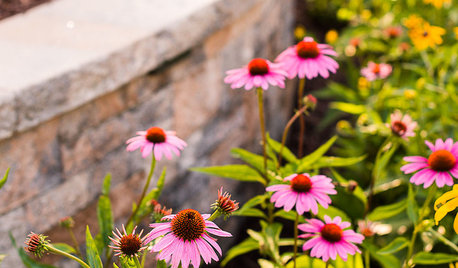
FALL GARDENING10 Top Flowering Native Plants for Beauty and Wildlife Benefit
Fall is a good time to plant these easy-care varieties, which offer good looks, seasonal interest and more
Full Story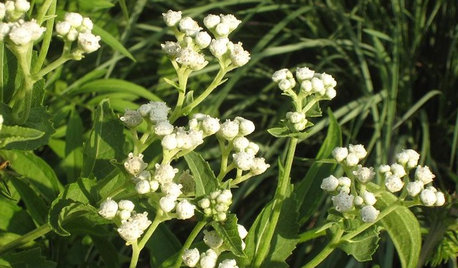
NATIVE PLANTSGreat Native Plant: Grow Wild Quinine for Its Unique Clusters of Blooms
Get connoisseur cred and unique blooms with this uncommon plant. Bonus assets: It’s low maintenance and drought tolerant
Full Story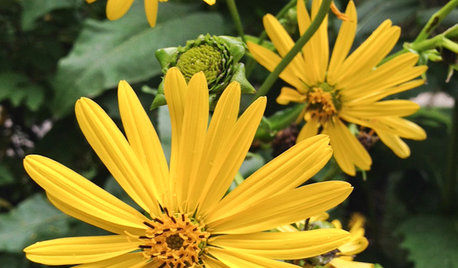
GARDENING GUIDESGreat Design Plant: Silphium Perfoliatum Pleases Wildlife
Cup plant provides structure, cover, food and water to help attract and sustain wildlife in the eastern North American garden
Full Story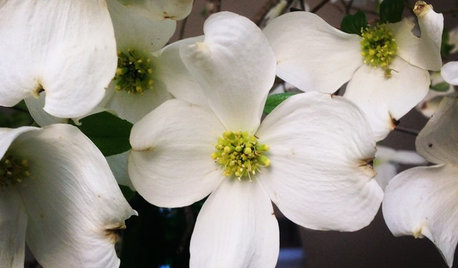
GARDENING GUIDESGreat Design Plant: Cornus Florida Benefits Wildlife
Flowering dogwood provides fiery red foliage in fall and beautiful springtime blooms
Full Story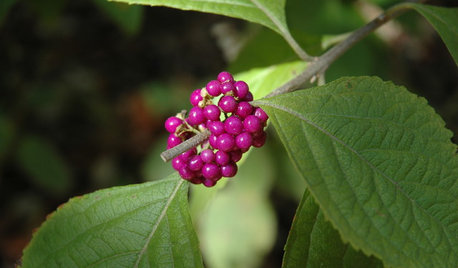
GARDENING GUIDESGreat Design Plant: Nourish Wildlife With American Beautyberry
The bright purple berries of Callicarpa americana feed winged beauties and make the Southeast U.S. native a fall garden standout
Full Story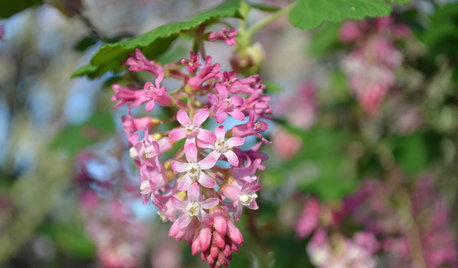
GARDENING GUIDESGreat Design Plant: Feed Wildlife With Flowering Currant
Blossoms and berries make this plant irresistible to birds, bees and other critters — and a treat for the eyes too
Full Story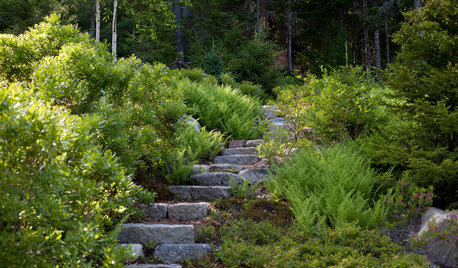
GARDENING GUIDESGreat Design Plant: Grow Blueberries for Their Fruit and More
Eastern gardeners should consider growing blueberry plants for their delicious fruits, bee-friendly spring blooms and brilliant fall foliage
Full Story
GARDENING GUIDES10 Top Native Plants for Northern California Gardens
Enjoy a fuss-free, water-wise garden by growing plants naturally in tune with the climate and wildlife of Northern California
Full Story
GARDENING GUIDES10 Top California Native Plants, Trees and Grasses
Enjoy a fuss-free, water-wise garden in the Golden State by growing plants naturally in tune with the climate and wildlife
Full Story
GARDENING GUIDES10 Top Native Plants for Southern California Gardens
Enjoy a fuss-free, water-wise garden by growing plants naturally in tune with the climate and wildlife of Southern California
Full Story
More Discussions
Skip1909