

The Growing Debate Over Masks
6 years ago

Featured Answer
Sort by:Oldest
Comments (125)
 6 years agolast modified: 6 years ago
- 6 years ago
Related Discussions
Are you growing any MGs indoors over the winter?
Comments (71)Woofie and others, I am uncertain if the photoperiod effect is seen in species of Ipomoea other than Ipomoea nil. I have read that if seedlings that are grown under long day/short night conditions for 5 days (that is, 5 days of 16 hours light/8 hours dark) then treated to one cycle of short day/long night (8 hours light/16 hours total dark) will induce flowering in the plants. I say total darkness because any break in the darkness, such as a husband turning on the light for just a brief period, will disturb floral induction. What you can try is popping the container with seedling into a light-tight box for 16 hours and see if flower buds start coming on in a big way. I have seen reports of big flowers appearing on very small vines when they are treated in this manner. I haven't tried it but it would be a cool thing to do. Ronnie, I think those products are compounts for inducing root production in cuttings due to presence of certain plant enzymes. The products I was referring to have mycorrhizal fungi that the root must come in contact with so the fungus and root can form the symbiotic bond by the fungus actually infecting the root. The fungus forms a web out in the soil around the roots, and make Phosphorus and other micronutrients available to plants in exchange for compounds the plants make available to the fungi. Google using search term mycorrhizal fungal products should give you piles of products to try out. Check out the videos that are on You Tube, I just watched the one in the link below and it was pretty informative. Joseph Here is a link that might be useful: Mycorrhizal fungi general discussion on You Tube...See MoreOver fertilized grow boxes with Tomato Tone
Comments (6)If there's still some TT sitting on top of the soil, you can scoop out the first inch or two, then replace it with unfertilized potting mix. Just be careful not to shred the roots near the stem. Afterwards, and as mentioned prior, you can also flush the container till a decent amount of water leaches out of the bottom. If you're concerned with overwatering then perhaps *temporarily* cover the potting mix so most of the rain rolls down the sides. Monet may be right about sun + oil....See More2017 growing season is HALF OVER.
Comments (32)I hear ya, everyone has different setups and different needs, and this "hobby" can cost you. If you have your plants in a major living space of a home, your automatically cash screwed since everything has to look "more decent", from pots to tables to watering cans to lights (tool and accessory storage?). If you grow in a greenhouse, remote spare room or basement you can get away with more. Some houses are detached, attached, semi-detached brick wood or other as far as excess heat goes. I grow inside my basement in the winter using 1 fluorescent and 1 LED strip fixture hanging from chains over a table. I also have clip on spotlights for plant bottoms. I will go all LED once the bulbs go dimmer in one fixture. The main thing I'm pointing out is that fluorescent bulbs have issues and are being phased out slowly and have disposal problems, I'm getting rid of them slowly throughout the entire 6 family by converting existing fixtures. The conversion price and technology is here, enough to grow by converting ANY old existing fluorescent light fixture to LED by disconnecting the ballasts and direct wire to new clips, rudimentary electrical skills required. Wattage is reduced by 50% and they are brighter and last longer. Meaning if you see a strip fixture in the trash, there's a potential candidate for someone to retrofit. if you go to the grow light forum, its too wacky for me. Guys that want to build light fixtures (use this or that chip/diode and debate the merits)and guys that want to show off the latest $500 toy. If your just looking to start some seedlings and get Citrus through winter with growth its an option........See MoreIf masks are required, provide the masks
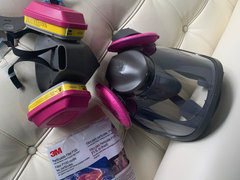
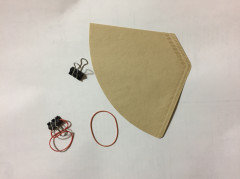
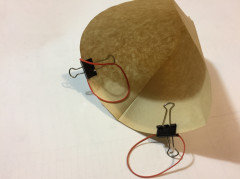
Comments (40)Oregon does not require masks, but the few times I've ventured out I've seen most people are wearing them. My husband has started wearing them as well-he's got a lot of dust masks since his work involves working with fiberglass and concrete. I ordered four masks from a local seamstress, they're pleated and have a pocket and ties rather than elastic, which I prefer since I can't stand having anything around my ears. I've heard there is an elastic shortage in my area. And I recently gave away all the hair ties I had sine I cut my hair short (now almost regretting that since the grow out is fierce!) I've read that the blue shop towels mechanics use are equivalent to N95 masks. We also have an abundance of those, so I slip a folded one in to my mask when I use it. I've found also that the material of the mask is important, one of mine is just a cotton material and it's too scratchy for my face, but the flannel lined one is wonderful, if a little warm after wearing for a few hours. It's fine for quick grocery/Costco runs. Next Door, Facebook Marketplace and Etsy are great resources to find seamstresses who make cloth masks....See More 6 years ago
- 6 years ago
- 6 years ago
- 6 years ago
- 6 years ago
 6 years ago
- 6 years ago
- 6 years agolast modified: 6 years ago
- 6 years agolast modified: 6 years ago
- 6 years ago
- 6 years ago
- 6 years agolast modified: 6 years ago
 6 years ago
- 6 years agolast modified: 6 years ago
 6 years ago
 6 years ago
- 6 years agolast modified: 6 years ago
- 6 years ago
- 6 years ago
 6 years ago
- 6 years ago
 6 years agolast modified: 6 years ago
 6 years ago
- 6 years ago
- 6 years ago
- 6 years agolast modified: 6 years ago
- 6 years ago
 6 years ago
- 6 years ago
 6 years ago
- 6 years ago
- 6 years agolast modified: 6 years ago
 6 years ago
- 6 years agolast modified: 6 years ago
- 6 years ago
- 6 years ago
- 6 years ago
- 6 years ago
- 6 years ago
- 6 years ago
- 6 years agolast modified: 6 years ago
- 6 years ago
 6 years ago
- 6 years ago
 6 years ago
 6 years ago
- 6 years ago
- 6 years ago





Related Stories

MOST POPULARDesign Debate: Is It OK to Hang the TV Over the Fireplace?
In the spirit of the upcoming political debates, we kick off a series of conversations on hotly contested design topics
Full Story
DECORATING GUIDESDesign Debate: Should You Ever Paint a Wood Ceiling White?
In week 2 of our debate series, designers go head to head over how classic wood ceilings should be handled in modern times
Full Story
HOUSEKEEPINGDishwasher vs. Hand-Washing Debate Finally Solved — Sort Of
Readers in 8 countries weigh in on whether an appliance saves time, water and sanity or if washing by hand is the only saving grace
Full Story
EDIBLE GARDENSHow to Grow Your Own Peaches and Nectarines
Make gardening a little sweeter with these juicy fruits, which you can eat after plucking or preserve for later
Full Story
GARDENING AND LANDSCAPINGGrow a Lush Privacy Screen
No need to wait forever for patio privacy the green way. These 10 ideas will get your screening up and running in no time
Full Story
DECORATING GUIDESDesign Debate: Should You Use Books for Decoration?
Color blocking, books by the yard, blank covers — is all fair in love and decor?
Full Story
EDIBLE GARDENSHow to Grow Your Own Sweet Summer Crops
This guide will help any gardener get started on growing the freshest warm-season veggies and berries for summer
Full Story
HOUZZ TOURSMy Houzz: 1940s Fixer-Upper Grows Up With the Family
After living in their post–World War II house for 8 years, a couple transform it into a home that works for their family today
Full Story
GARDENING GUIDES6 Ways to Grow Edibles in Small Places
No big backyard? Join in the grow-your-own fun with these small-space ideas for planting vegetables, fruits and herbs
Full Story
TILEIs It Over for Subway Tile?
Should we ditch the ubiquitous rows of rectangles for a rival, or is subway tile a classic that’s here to stay?
Full Story
Olychick