

Baking with home ground wheat flour
6 years ago
Featured Answer
Sort by:Oldest
Comments (6)
 6 years ago
Related Discussions
Opinions on whole wheat pastry flour?
Comments (14)Lou (hawk307) - I live in Kansas - wheat country - and prefer flour from Kansas mills or mill my own. I find Hudson Cream Unbleached All-Purpose Flour (milled in Stafford Co., KS) one of the best, although I rarely use it now. KA/AP (13g protein) is unbleached. Being unbleached would put it in a better position than bleached National Brands (Gold Medal and Pillsbury 12+g protein) in my books. The information about protein levels is from CookWise by Shirley O. Corriher. The only use I've found for bleached flour is sprinkled in my garden to kill bugs. I wasn't all that impressed with KA/AP when I tried it years ago - mostly the price. Much of KA flour is milled in Kansas (in Topeka I believe). All their white whole wheat flour is milled in KS - I read a Kansas State University press release about that. It took until the last few years for them to buy shelf space in the grocery stores around here. We had lots of other excellent choices when it came to flour before high-priced KA. -Grainlady...See MoreWheat flour substitute?
Comments (2)I would head to the "pets" forum....they will know better than we do. But if it's grains you are avoiding that means corn wheat, oats quinois rice and all. I would use instant mashed potatoes to bind the meat bits in the treats. Rice might work....but rice IS a grain. Linda C...See MoreWhole Wheat Flour substitution
Comments (8)ovenbird - "Are most commercially available red WW flours made from soft varieties?" No, they are milled from hard wheat (or a combination of hard and soft to get a certain protein count) unless it says something like "Whole Wheat PASTRY Flour", then that would be milled from soft wheat. I've had 16% protein wheat, which is almost too much gluten and will make a tough loaf of bread, and I have had to mix it with other wheat varieties, because that much protein would take forever and a day of kneading to develop that much gluten. I don't mix soft and hard wheat flours to make an "all-purpose" flour because I consider it a general purpose flour that really doesn't address all the gluten issues. To me, all-purpose flour is a "lets settle for something in the middle since most people don't know the difference" kind of flour. In all-purpose flour there is enough hard wheat for gluten for fairly good yeast breads, and enough soft so you can make a fairly good cake or quick bread, but it really doesn't address all the gluten factors and options like when you have a chance to mill your own grains, nor is all-purpose flour optimal for all uses. When judging cakes at the local County Fair, I can tell who used cake flour and who used all-purpose. There's a great deal of difference. I often know the protein level of the grains I get (from test weights at the elevator), or I can do water/flour tests as outlined in "CookWise" by Shirley O. Corriher, to figure what the gluten content is, but that's a rare occasion that I'd need to do that. I get grains from reputable sources. Spelt is also a good choice for a replacement for all-purpose flour, especially when making anything other than yeast breads with it, and I use a lot of spelt - nearly as much spelt as wheat. I can also tell from the feel of the flour, once it's milled, if it's hard or soft. If I were to forget which type of grain I had milled, I could usually tell by feeling it. Soft wheat makes a very fine, powdery flour, while hard wheat is a bit more coarse. There is usually more endosperm in soft wheat than there is in hard wheat, but not always. Hard winter wheat is usually small and wrinkled looking and has more bran and less endosperm. Hard Spring Wheat usually has more endosperm than Hard Winter Wheat, but also has less gluten because it has a shorter growing season. Commercial wheat is milled from a combination of hard and soft wheat to get the correct protein content because there is so much variance in grains. Even in the same field you'll have a combination of hard and soft. Anywhere there are puddles where water lays in the wheat fields, the wheat growing in that area will be soft from too much moisture. If there is a side of the field that has some shade from trees, that might also be lower protein than the rest of the field. So most commercial flours, whole wheat and processed white/unbleached, are usually a combination of hard and soft grains. I mill soft white wheat and oat groats (3:1 ratio) to make a very fine wholegrain "cake" flour. That's one that is a bit different.... -Grainlady...See MoreSecond semi-fail with home ground flour.
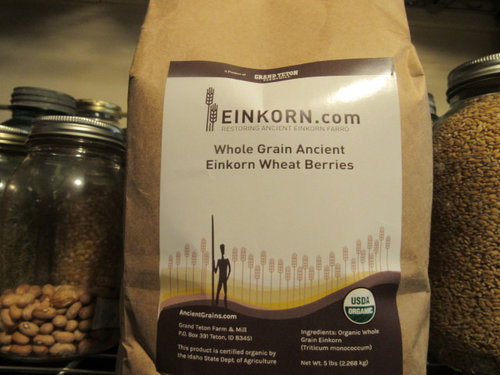
Comments (14)Annie, I've found there's a lot of differences between the wheatberries from different farms. If yours aren't working, you might try finding one with a tested for that crop higher protein level. These might not apply to you, but are some of the things I've learned for 100% whole wheat, home milled, bread: If you mill at home, and aren't looking for a sweet flavor, you don't need any sweetener. What the honey is for in a lot of recipes is hiding the bitterness that whole wheat flour develops when it sits awhile (weeks) and starts to go rancid. A little acid, besides dealing with the anti-nutrients, works as a dough conditioner and retards mold growth (if we leave an end long enough to mold it's the free flour on it where it starts, not the bread itself). Ascorbic acid is fairly easily found as vitamin C crystals. I figure a jar may last me forever. It does add a little complexity to the flavor, which you might notice as acidity, but won't taste sour like vinegar. Handling the risen dough as little as possible, helps keep the gluten from being cut. It does not like "drawing a tight cloak". Like that saying about teaching a pig to dance, drawing it around like that just annoys the bread--the gluten breaks rather than stretches. A better way to shape, if necessary, is by folding, lightly. Do your best not to degas because it may not reinflate. If you're willing, adding vital wheat gluten makes up for the deficiencies of the protein content of the wheat. Re hydration, I always do a soak. A soak is where you either make up the dough for a long rise (at least 8 hours), or just combine the flour and liquid and let that set for at least 8 hours. This can be done in or out of the fridge. It takes awhile for the wheat to hydrate and what seems too dry turns damp and sticky. Whole wheat also takes more hydration than white. The best proportion I've been able to find, and have been using, but haven't tested extensively enough to know for sure from my own hands is 5 tsp. water for every cup of whole wheat flour that you substitute for white flour. Also be careful of the rise. If it doubles, it's probably too far gone. Aim for half that (1.5 times the original bulk). Maybe a little more. I haven't found a lot of good recipes, but that's common to all of the ones I do have, and if I miss and it gets to double on the rise, I don't get any oven spring. Oh, and no double rises. It doesn't want to be punched down. I found this recipe in a surprising place when I was looking for a low cleanup (water saving) daily bread: http://www.instructables.com/id/100-Whole-Wheat-Crusty-No-Knead-Artisan-Bread/ It's a good recipe. I've been playing with it, adding in other grains, and mixing in seeds and all. Overdoing that can also interfere with the rise, but I've got it to where I like it, and I prefer the multigrain flavor. I don't know if any of that is helpful to you. I've been on the same journey for a year, and had some sourdough flats of my own. :) Great sympathy here!...See More 6 years ago
- 6 years ago
- 6 years agolast modified: 6 years ago
 6 years ago

Related Stories
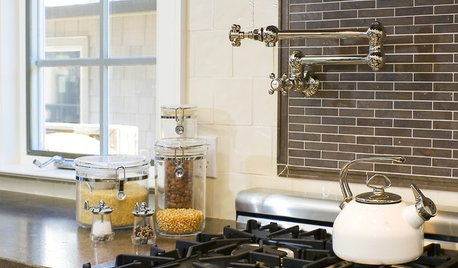
HOUZZ CALLHome Cooks: Show Us What You Love About Your Kitchen
What’s your recipe for the perfect cooking- and baking-friendly kitchen?
Full Story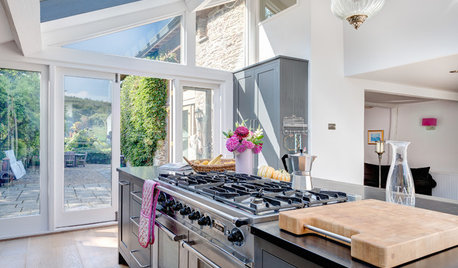
LIFESimple Pleasures: The Joy of Baking
Fill your house with a heavenly scent and your heart with cheer by making time to bake
Full Story
HOLIDAYS8 Ways to Organize Your Home This Holiday Season
Declutter and organize your holiday supplies for the future to create a more peaceful home right now
Full Story
FUN HOUZZDon’t Be a Stickybeak — and Other Home-Related Lingo From Abroad
Need to hire a contractor or buy a certain piece of furniture in the U.K. or Australia? Keep this guide at hand
Full Story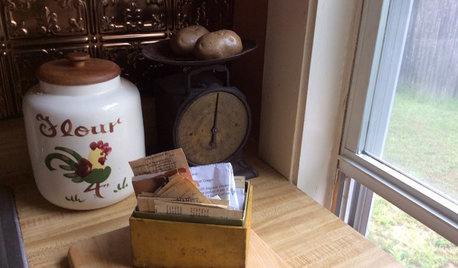
KITCHEN DESIGN5 Home Cooks Share Their Favorite Family Recipes
Peek inside the kitchens of these Houzz users and learn how to cook their time-tested, passed-down dishes
Full Story
KITCHEN DESIGNHow to Create a Dedicated Baking Station
Avid bakers love having a designated kitchen space. Here’s what to consider when planning yours
Full Story
SELLING YOUR HOUSE10 Low-Cost Tweaks to Help Your Home Sell
Put these inexpensive but invaluable fixes on your to-do list before you put your home on the market
Full Story
HOUZZ CALLHow Are You Passing the Time at Home Right Now?
Share your thoughts about how you are coping with stress and staying grateful during this difficult time
Full Story
FALL AND THANKSGIVINGSimple Pleasures: A Cozy Home in Cold Weather
Stock up on these treats and essentials to make even blustery days and snowed-in time feel special
Full Story
HEALTHY HOME6 Tips From a Nearly Zero-Waste Home
Lower your trash output and increase your quality of life with these ideas from a mom who did it to the max
Full Story


annie1992Original Author