

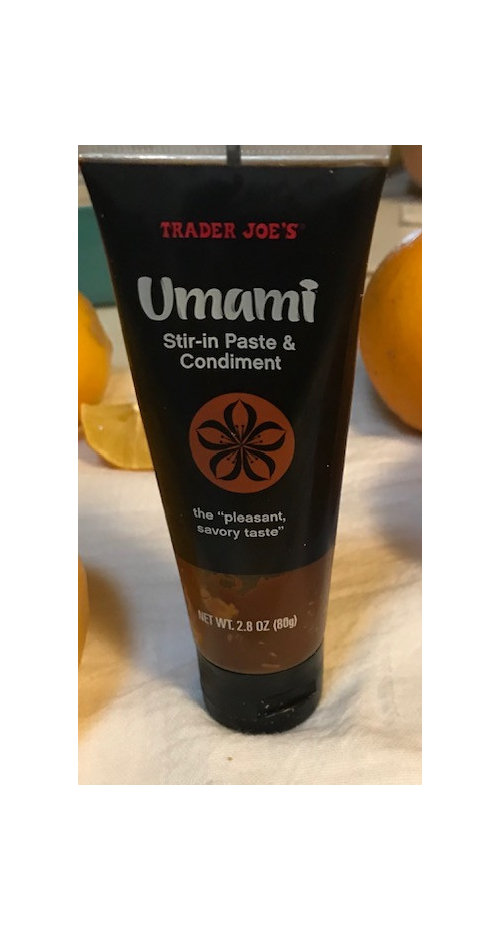
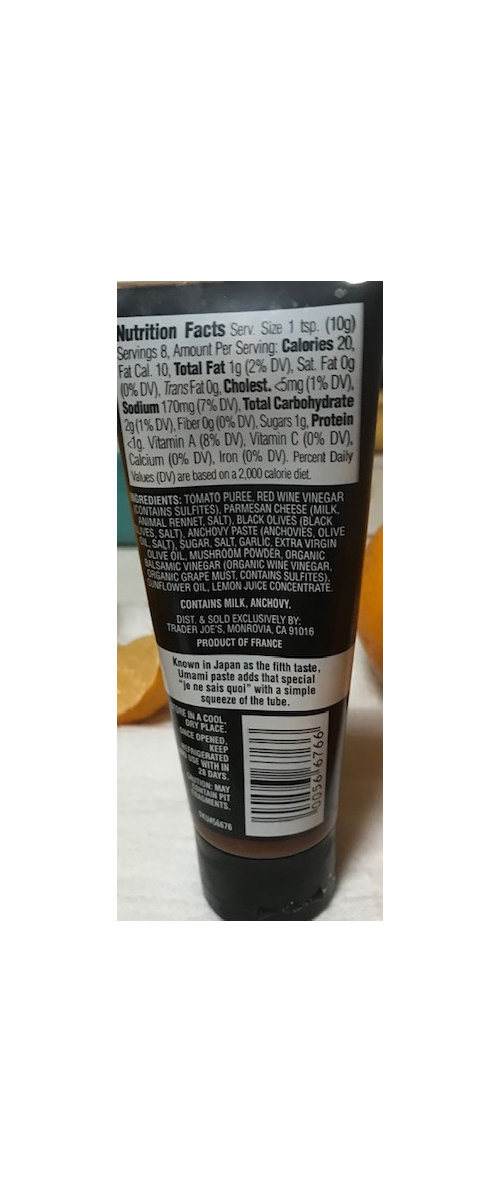
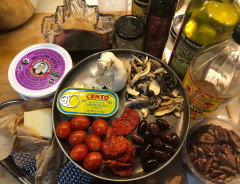
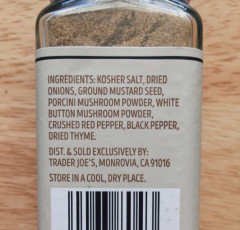
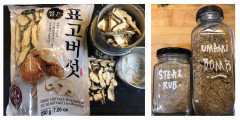
A big healthy squirt of umami deliciousness!
6 years ago
last modified: 6 years ago
Featured Answer
Sort by:Oldest
Comments (15)
Related Discussions
How should I prepare soil for next spring?
Comments (15)This is a great post, dchall. I'd like to respond to a few points and get your thoughts. You said my problems are brought about by chemicals, but I'm not so sure. I only moved into this house two years ago, and this is my second summer with gardening the land. The lawn is a mess, which indicates it's been a long time since anyone used any kind of chemicals on it. The spot where I made the vegetable garden was virgin, although I did recently find out there used to be a large tree in the area that was dug out. I had it tilled fresh last spring, then planted. The only problems I had were birds (more on that in a minute) and the flea beetles. I did use one spray of Sevin on those beetles, and that took care of them. And it was a very light spray, but a spray nonetheless. (I'm learning, I'm learning!) If there were any other bugs, I never saw them, and I've always had the practice of walking through nearly every day looking for damage or problems. That's something my grandfather taught me. The birds, I didn't mention because I got a handle on them. Having always lived way out in the country/forest, I let my dogs and cats outside. So I've never known birds. (Other than bluejays...they were always around and very aggressive) Then I moved to town and now my pets aren't allowed outdoors. So I'm enjoying birds for the first time in my life. However, I have robins that sheared off my seedlings (the guy at the nursery said they do it to get nesting materials), but the other birds don't really bother my garden. I have a LOT of blackbirds, sparrows and grackles that I do not feed. And I feed my cardinal family, goldfinches and many, many hummingbirds. I also do a lot of flowers and flowering bushes and have never used a pesticide on flowers. (Never had to) Last year I strung a foil jungle throughout my garden to keep the birds (robins) out. This year i used vinyl netting, but next year I'll go back to the foil...it's easier in the long run. The point of that long ramble is that I have so many birds. Maybe they ate bugs, I don't know. And the other thing is that the only chemical used was last year's spray of Sevin (and that was only on a few eggplants, nothing else). Now, my neighbor does some flowers, and she might use pesticides. I did plant a lot of sunflowers, too. Partly just because I love them, but also did some in the veg. garden as companion plants for the cucumbers. (I don't think it worked, but I did get a nice crop of aphids on the sunflowers. I also got nice goldfinches which I've enjoyed) I need to back up...I did use chemical fertilizer (Miracle Grow), and some powdered coyote urine because I have a lot of wild rabbits. I'm only now learning about compost tea. Next point...I've decided NOT to use the horse manure, because these are all fancy racehorses (I live near a big racetrack) and Terri mentioned that they probably use steroids and things. So I'll have to settle for the poo of my neighbor's two pet rabbits. Back to the birds, I really considered getting a bat house, but I'm not sure it's legal in town. Plus would probably freak my neighbors all out. We have rabid bats sometimes. But I'd love to have some bats. (And even more, bat poop...it's supposed to be the best) But not a good idea around here. I'm very interested in the liquid seaweed you spray, or the milk. I've seen Paul James talk about using milk to control fungus as well. Would leafhoppers be considered sucking insects? I'm having trouble finding anything to use next year that takes care of them, and they did an enormous amount of damage to things this year. Neem oil is supposed to work, but to work, I would have had to sprayed my entire garden, including ground, with the Neem oil, and I was afraid it would harm too many beneficials. What are your thoughts on nematodes and releasing beneficials (mainly ladybugs)? Now to the tilling. Would you believe that last fall I did the no-till thing? My friend read about it somewhere, and I was all for it because I don't own a tiller and have to pay someone to come till. I already used newspapers as kind of a mulch to keep the weeds down, so I pulled everything up, put down layers of newspapers, topped it with a lot of leaves from the yard, then composted manure (that I bought at Wal Mart), then more leaves. What I did like about that is that I didn't have to really work the soil in the spring, or at least not like when you let it grow wild, and I had zero weeds. But it didn't decompose as much as i expected, and I kind of had a crispy crust I had to break through, then would come to a layer of undecomposed leaves. The crust was very much like the crust on a creme brulee, only made of crispy newspapers. I don't know if that's how it was supposed to be or not. Then I just kind of dug my rows out with a shovel and hand shovel, worked some composted manure into my rows, and planted. I've somewhat blamed my bug problem on that...is my logic wrong? My logic is that I sealed in all these bug eggs that might have been exposed and killed if I'd had tilled. I'm not opposed to not tilling, because I think the layered thing was easier than tilling, especially since I don't have a tiller and would have to borrow/rent one. I understand the logic of the anti till movement, and disturbing the soil and such, but maybe i want to disturb the bug eggs. And then there was the crispy crust....should I have just pulled all that up and tossed it? I didn't really know what to do in the spring. It was not what I expected. I expected a soil I could dig in, add some compost, work it in, then plant. But I had that crust and then a layer of leaves. (I used leaves because the instructions said either leaves or grass cuttings, and I have no grass cuttings in the fall because my lawn is not so good.) The books I was planning on getting: The Organic Gardener's Handbook of Natural Insect and Disease Control: A Complete Problem-Solving Guide to Keeping Your Garden and Yard Healthy Without Chemicals by Barbara Ellis and Great Garden Companions: A Companion-Planting System for a Beautiful, Chemical-Free Vegetable Garden by Sally Jean Cunningham...See MoreSo you want to grow a gardenia, huh?
Comments (6)· Posted by: hnwillis z8 SC (My Page) on Thu, Nov 29, 01 at 15:22 Ya'll gotta be some of the funniest people. After going through the ordeal of many a gardenia suicides, I decided it was time to plant them outside (great humidity and heat-Z8 SC). I hate to say this but two years ago I planted 2 gardenia plants on the northwest side of my house. They have been doing just fine. They are just at 2-3 feet tall. I have pruned them together this past sprng into a low hedge next to my white picket fence. I have planted the trimmings amongst a groundcover of Gerbera Daisies in a 24 inch plastic pot that I also planted a 10 ft crooked willow tree on the southside of my house. I also put some trimmings into small pots with cheap Wal-Mart garden soil. To my surprise, they have taken root and are growing like crazy. I put one particular cutting into a pot by itself to be able to bring in the house. I left it outside all spring and summer (it rained constantly when I first planted them). This one stayed in 5 inches of water/dirt for 2 months. I have brought the sole potted plant into my sunroom and placed it inside a miniture greenhouse. I doesn't seem to be growing like it did outside. I'm really thinking that it likes to be outdoors in humidity, heat and southern exposure. Go figure? So from 1 pruning of two plants I have successfully propagated 10+ little ones. I can't wait until they bloom. Also, the main idea for planting them outside is that my neighbor has a 10 ft tall, 7 ft wide "gardenia bush" that is heavenly when it blooms. I have taken pictures of it because people don't believe me. I know she doesn't do anything special to any of her plants. One thing we do have in common is acidic clay soil which our azaleas and camellias seem to thrive on. · Posted by: bedou z10 Ft. L. Fl (My Page) on Fri, Dec 7, 01 at 1:15 Its 1:09 in the morning. My laughter must have woken my husband up, so I suppose I should put the kettle on! From a nude plot of land in Ft. Lauderdale, I have tried to fill it up with fragrant choices. Yes, Gardenia included. Its yellow leaves tend to give me a good contrast against all those green ones that are flourishing. Alas, they tend to fall off, so I just use them as mulch where they land. Time to find something else! I certainly shall not spend time agonizing over it, from what you have all said. Oh well, I had such high hopes!!! Joanmary · Posted by: fpogoda 5 N NJ (My Page) on Mon, Dec 17, 01 at 12:21 Just wanted to be sure regarding the indoor gardenia temp. issue: is the optimum temperature 70 degrees during the day, then 55 degrees at night? Thanks · Posted by: yugoslava 6 ) on Sat, Dec 29, 01 at 20:56 I have been fairly successful with azaleas and rhododendrons and wonder if it would be possible to keep gardenia dormant over winter and bring it out in spring, plant it among rhodos and leave it until it gets cold. I have admired gardenias from afar for the longest time, but I knew indoor conditions in the winter were not the best, so I have never had one to call my own. Would it be possible to keep gardenia cool over winter as I do with my fig tree and brugmansia? The scent is absolutely intoxicating! One word about people who live in warm or coastal areas. You have no trouble growing tropical plants which we can only see when we take tropical vacations for which we have to pay dearly. I live in Great Lakes Region with short seasons but we all dream of exotic plants growing luxuriantly indoors. Which is why we fret and fuss endlessly. · Posted by: Jenn z9/19 SoCal (My Page) on Tue, Jan 8, 02 at 10:16 This has to be the funniest thread I've ever read at the GardenWeb. I laughed so hard I could hardly talk and had tears in my eyes!! I printed out the whole thread to share with other pour souls who have tried to grow Gardenias according to all the best recommendations, only to watch them wither away. We have a Gardenia growing on a slight slope in alkaline clay soil under a Japanese Black Pine tree. It gets mid-to-late sun. It gets watered whenever we run the lawn sprinklers. It isn't the most prolific plant we grow, but at least it's alive and produces some blooms for us each year. The success is probably due to the fact that my husband is the one who cares for it, and he is not a by-the-book gardener... he just waters whenever he thinks the lawn needs water, feeds it when he remembers (I think the last time was about 2 years ago), etc. LOL!!! · Posted by: Rosalie 5-6 salt lake (My Page) on Wed, Jan 9, 02 at 11:30 this thread is hilarious! and now famous -- a link to it is posted at the garden party forum, so some of us have wandered over to check out your battles -- i believe i will stick with xeric types -- no chicken dances for me -- thanks for the laughs! and good luck to all -- rosalie · Posted by: ccl38 8A Savannah, GA (My Page) on Thu, Jan 17, 02 at 15:59 I too have had trouble with vetchii. Mine was so large and so heavy with blooms I decided to prune it. We couldn't get past it down the walk. Once prunned it went into a decline and it has never been the same. I have another variety that I rooted about three years ago from a large bush growing at the edge of the swamp near where I work. It is mostly in shade, never gets watered and would probably measure 5 feet, and it has those huge saucer size blossoms and smells wonderful. I don't shake a chicken so I guess I must have held my mouth right when I planted it. They are my favorite plant. For me it is a pass along plant. I root them all summer and give them to anyone who comes along and wants one. · Posted by: Joanmary_z10 z10 Ft. L. Fl. (My Page) on Thu, Jan 17, 02 at 19:23 cc 138 you must have 'the magic touch'Well done, and I say that with honest envy. The question is, are you ready, willing and able to produce 75-+ rooted cuttings from a 'proven' specimen with the right karma, one for each of the above postings, to restore our faith in this plant and to bring aid and comfort to all of us who have been brought down by this picky, picky plant? lol!!! Joanmary · Posted by: Lily 5 IL (My Page) on Fri, Jan 18, 02 at 21:16 I got a Gardenia "Veitchii" last January as a gift, loaded with buds. Looking for culture info I found this thread. Aftering reading everyone's experience, I thought I was going to kill it for sure. I held my breath when I was anywhere near it. I misted it daily and then decided not to mist after my hard water left ugly mineral stains on the leaves. More then half of the buds dropped and it refused to bloom indoor! It got a lot of half yellowed leaves before I dragged it outside in late Spring. It thrived outside and bloomed! In the mean time I got hooked on orchids. I started using the leftover orchid water (rain water with 1/4 strenth of fertilizer and a drop of Superthrive/per gallon) to water the gardenia. It's been growing like crazy! Now it's back in the house in front of my south facing window, and in bloom! It's in a 12" plastic pot and about 2 feet tall. Maybe it's the rain water or the superthrive, but there is definitely hope for all gardenia lovers! · Posted by: Jenn z9/19 SoCal (My Page) on Sun, Jan 20, 02 at 13:40 So that's the trick... "water with leftover orchid water". Why don't the gardening books say that?!? LOL! · Posted by: Lali z9, 18, So Cal (My Page) on Mon, Jan 21, 02 at 15:16 I can't believe how long this topic has gone on for. It is sooo hilarious! Anyway, I'm trying my first attempt to grow gardenias. I put them in the backyard (northern exposure) with ferns and azaleas, so I'm hoping they will be ok. Now that I've read this post, I'm really really really skeptical that they will bloom or even live by my hand. Thanks for the laugh! Lali · Posted by: freesias Z9 ) on Tue, Feb 19, 02 at 23:35 Oh My GOD! I just planted THREE 1 gal. 'Veitchii' gardenias in my front yard mixed border. I have a feeling, my are gonna DIE on me. I am definitely not touching these guys! Will water once every couple of weeks. THAT'S IT!!!! · Posted by: susan_CA z9 CA ) on Sun, Feb 24, 02 at 16:05 What a great thread! Gardenia culture is such a thrill of success/agony of defeat experience. Anticipating an unknown failure rate, I bought 6 'Veitchii'! The two planted directly under a tree (where I wanted to sit) and northern foundation exposure died. The two planted in eastern foundation exposure with shade mid-day on bloom copiously all summer. The two planted in western foundation exposure, where light tree shade relieves afternoon heat after 4pm do almost as well. All get composted manure in early spring, pine needle mulch, half-strength chelated minerals whenever leaves begin to pale or MirAcid if I think of it, water from sprinkler system early a.m. (including on leaves) daily in summer in the hot, dry central valley, and have FAST drainage. The two that died were in locations with slower drainage and more shade. The only year I had some bud drop was the year we had a late, wet spring, but they bloomed fine all summer. I have seen specimens in full sun in the central valley; they bloom well, but leaves & blossoms show sunburn damage. So I'm going with the sun/shade, wet/dry, feed/not theory. · Posted by: jxnphx Zn9 AZ (My Page) on Fri, Mar 8, 02 at 0:42 Oh my, oh my! The woman at the nursery said I could have an indoor gardenia in my east-window-garden (morning sun, high level of light the rest of the day), but it sounds like she forgot to tell me I'd need to install a swamp for it, as well. I certainly have plenty of heat for it, here on the low desert. I may be joining the ranks of the guilty gardenia group: I'm not likely to "mist" the miserable thing, nor am I likely to change my habits in on-going care (I am sadly irregular about watering and feeding my only other plant--a low-maintenance Madagascar Palm--dracena). I prepared the soil well enough though (a standard potting soil mixed with half-again as much peat moss), I placed the plant "high" in the middle of the pot, added a layer of peat moss on the top, and covered it all with some additional organic mulch, watered it in with an "acid" feeding, and set it above a large, relatively deep saucer with plenty of water for evaporation. I may have misunderstood the nursery lady's comment about the roots, though, because I removed a great deal of the soil from the root ball and treated the roots with hormone before placing it in the new pot and soil mix. I read in the messages above that this plant may not have liked that messing about with its roots. I believe I'll acquire one of those devices that gives a reading of the humidity, to see just how dry my window garden area really is. We'll see what happens. While I may be capable of sustaining this thing's life for a short while, after reading all of this, I'm not planning on much success with it. I tend to move on to other projects, and I'm afraid the poor thing will have to shift for itself more than it is constitutionally capable. Of course, reading about the success of those who largely ignored their gardenia gives me some hope. That's more my style. At least I have a good excuse for turning the AC down to 70 starting in April. I just don't think the local power usage police are going to understand it when I tell them that my astronomical power draw is necessary for the health of a plant. This is going to be expensive emotionally and monetarily. Who would have thought a trip to the nursery would result in such bondage? · Posted by: Joanmary_z10 z10 Ft. L. Fl. (My Page) on Fri, Mar 8, 02 at 13:16 Oh, what a wonderful laugh this has been! My poor old gardenia is there in Florida, with no one to care for it, depending on the sprinkler system to 'do its thing' and I have no clue what is happening to it. However I have my dark moments when I can see the Christmas lights decorating its bare twigs come December! Taking it that I will be using its twigs as mulch sometime soon, I have bought as a replacement, the African Gardenia. Now I wonder if this is in the same category? Here's to Gardenias who can take neglect!! · Posted by: jxnphx Zn9 AZ (My Page) on Sat, Mar 9, 02 at 15:31 I discussed my newly acquired gardenia issue with my elder sister who, smirking, told me it would probably do me good to have something to worry about. I can only think she was being complimentary about my faultless children and long-ago departed harpy of a wife. She herself has a half-dozen off-spring who provide her with plenty of heart-rending despair. Just in case she was being a smart-ass though, I bought my plant an ultrasonic humidifier which pumps 2.6 gallons of water vapor into the air each day, and I hurried to the used book store and increased my holdings in James Lee Burke (setting: southern Louisiana). I suppose I could have picked up some Faulker, as well, but he's so damned hard to read. I can't stand Tennessee Williams. I am thinking that a few dark and decadent thought-waves might make the gardenia feel a little more at home here in the bright, parched protestant desert southwest. Although it's only been a couple of days, I'm sure it's looking a little better than when I brought it home from the nursery; but just the same, I'm going to keep my eye on a new leaf that is looking a little yellowish. I don't want my dear sister to have the last laugh. · Posted by: BarbC coastal SC (My Page) on Fri, Apr 12, 02 at 15:53 LOL - I have tears rolling down my face and flooding the den. I have 2 unknown variety gardenias that I bought at HD 4 years ago. Since then, I have done ABSOLUTELY NOTHING to them and yet they thrive. They survived the great flood of '99 (were under 6 FEET of nasty swamp/river water and were still green 3 months later when the water finally went away) They were only 1ft tall at the time, so literally had 5ft of nasty black water on top of them. I even had to pick dried toilet paper off them, as the flood had taken the contents of 1000 septic tanks along its path. Those two gardenias and the roses were the only plants to survive that mess. Anyway, once I could finally walk through my yard again (without sinking up to my eyeballs in slimy mud) I dug those suckers up and moved them to my new (dry) house (roses too). They are still there and doing beautifully in full southern afternoon sun. I do ABSOLUTELY NOTHING special to them. I don't even ater then during droughts. Maybe that's the secret? The guy across the street has a couple and he also does ABSOLUTELY NOTHING to his and his are even nicer than mine. Perhaps we are killing these plants with kindness? Maybe what they really want is to just be left alone?...See MoreDo you consider yourself a Foodie?
Comments (111)@Jilly, you found a picture of the pizza guy in Rome! The Laws of Cooking and How to Break Them by Justin Warner is very interesting. It starts off talking about why peanut butter and jelly work and how it is similar to a pizza. From an interview on The Splendid Table: Take for example a great pizza from some Neapolitan place. Why does it always work? Why does pizza almost always work? You have something fruity, tomato, you have something rich and fatty, cheese, and then you have something to spread it on. If you look at peanut butter and jelly, it's the exact same thing. This combination of fat, fruit and something to spread it on is an archetype. It's a law. The reason I call it the law of peanut butter and jelly is because peanut butter and jelly is really the first complex dish that we learn to make as children in America. His recipe for Foie Gras Doughnut Holes: https://www.splendidtable.org/story/2016/01/22/foie-gras-doughnut-holes I think I would like them. I’d eat foie gras on bark!...See MoreHealthy Lifestyle Progress - Week of 6/26
Comments (51)Late to the party. My weight has been in flux this week. Started the week out 1lb up but now that it's Friday I'm 1lb down, so hopefully I'm either unchanged or 1lb down overall. Trying to stay strong during the weekdays, having healthy meals and avoiding any alcohol. Though to be honest, this has been the kind of week that makes me want to have a cocktail pretty badly. I have been great with cardio this week. Swimming or running every single morning and trying to push myself during the workouts. I am really struggling to find the time to prioritize lifting weights. I've only gotten 2 lifts in this week and I should be at 4. I've been really sore from swimming and running and that's probably impacting my motivation to do it. Had some really exciting non-scale victories this week. My favorite smallest size jeans from 8 years ago fit again! I was not sure I would ever fit into them again but they fit. And every single pair of older shorts fits again too! It feels great to be able to grab some old favorites out of the closet and wear them. Then I had two separate people tell me that I looked great. I know I shouldn't be worried about what others think, but it was nice to feel like finally someone other than myself could see the progress. Thank you for the accountability and support that these posts bring. I love hearing all the successes and what you use to motivate yourselves and stay on track. It really really helps....See More 6 years ago
- 6 years ago
- 6 years ago
- 6 years ago
 6 years ago
 6 years ago
 PRO6 years agolast modified: 6 years ago
 6 years ago
- 6 years ago
- PRO6 years ago
- 6 years ago
- 6 years ago


Related Stories
WINTER GARDENINGPruning Secrets for Exquisite Roses
Encourage gorgeous blooms year after year with this time-tested advice on how to prune your rosebush in winter for health and shape
Full Story
DECORATING GUIDESFrom Queasy Colors to Killer Tables: Your Worst Decorating Mistakes
Houzzers spill the beans about buying blunders, painting problems and DIY disasters
Full Story
EDIBLE GARDENSNatural Ways to Get Rid of Weeds in Your Garden
Use these techniques to help prevent the spread of weeds and to learn about your soil
Full Story
HOUSEKEEPINGHow to Clean Hardwood Floors
Gleaming wood floors are a thing of beauty. Find out how to keep them that way
Full Story
DECLUTTERING10 Decluttering Projects You Can Do in 15 Minutes or Less
Try these ideas to get organized at home one small step at a time
Full Story
SAVING WATER6 Reasons Why You Should Save Your Rainwater Now
Collect and store during the rainy season so you’ll have water ready for irrigation when you need it
Full Story
FUN HOUZZWhat You Do When There’s No One Around
Ice cream binges, air guitar concerts, napping in the closet. Houzzers worldwide disclose their quirky secret indulgences
Full Story
LIFENeighborhoods Take to the Streets to Build Social Bonds
Cities are helping residents connect at block parties and create supportive relationships close to home
Full Story
sleevendog (5a NY 6aNYC NL CA)