

How does this recipe strike you?
7 years ago
Featured Answer
Sort by:Oldest
Comments (31)
 7 years agolast modified: 7 years ago
 7 years ago
Related Discussions
How does this elderberry preserve recipe sound?
Comments (7)Malna - you ask how the recipe sounds so here is a Brit perspective. I am always interested to hear of elderberries being used by you US cooks because over here they are only used for jelly or wine as the seeds are considered too unpalatable to eat. To me that recipe sounds very seedy and crunchy. And although I love almond flavour I don't really like the sound of mixing it with elderberries which have a very distinctive flavour of their own. I think there is quite a fundamental culinary difference in taste between the UK and the States. Many of the recipes you exchange on this forum sound a bit excessively flavoured to my ear. For example, I mean no offence by this but raspberry and chocolate preserve which I have read of here sounds absolutely disgusting to me. I love both and feel that mixing them would detract from both. However, through you I have discovered that strawberry and rhubarb is delicious. And that's a combination I never would have dreamt of trying before. But then I believe that blackcurrant is widely disliked in the US. I find these differences really interesting and I hope none of you will take offence at my comments. I think we just have plainer tastes over here....See MoreRECIPE: How many of you vegetarian still eat cheese, milk, etc.
Comments (19)i think chard lacks the oxylic (sp?) acid that is in spinach which interfers with the absorption of calicum or iron... sorry forget which. i love swiss chard not too fond of spinach. the former grows all season thru 90 degrees to 20 degrees. spinach bolts quickly in warm temps. i find chard a better choice. i eat some cheese and love it. the odd thing is on pizza i like a minimum amount of cheese (don't want double cheese! the regular amount is often a bit too much) but give me an 8 oz chunk o cheese, any cheese, i'll eat it in 10 minutes! like ice cream, i try to not buy it other than as grated cheese. i use a minor amount of butter. i don't use milk or cream. i eat about a pint of yogurt a week. i love ice cream but i have only eaten it 2 or 3 times in the past 1 1/2 years. i could eat a quart a day therefore i avoid it. i eat eggs in the winter but not too often. i haven't had any for 7 or 8 perhaps 10 months. however, when i do eat eggs, i'll have 4-6 scrambled with veggies. kinda creepy tho knowing what it is! i like them but... tom...See MoreHow do I strike Camellia's
Comments (6)If you go to the Mitre 10 site (you will have to register), they have a very good and detailed page, with illustrations, called "Grow Plants from Garden Cuttings". It covers plants in general (and potting medium, etc.) - but does tell you that camellias will strike from heel or tip cuttings. Or go to the page below and go to the bottom of the page. Now, neither of these sites say "when" is the best time. I've had some success with cuttings (and many more failures). I think that late summer/early autumn might be the right time - but I take cuttings whenever I get a chance and it's pot luck. Here is a link that might be useful: http://www.greengold.com.au/greengold/CARENOTES/CARENOTES/camellia.htm...See MoreHow should I prune Easy Does It & Strike It Rich at end of the month?
Comments (2)Strike it Rich needs to be cut right back to nice, green canes. Don't be concerned about pruning back hard on him. He will bounce back. Just remember that if a rose get out of control or is looking weird, simply cut it back hard and start again. Treat it as a new rose and give it the water and food it needs to come back again. Cut Easy Does main canes back to an outside bud. This will push the new growth to the outside. Cut the bully boy cane that is determined to grow away from the bush, right back hard. You do this because a very thick cane that is much thicker, will dominate the rose and will drag the new growth the way it wants to go. This will make your bush look lopsided....See More 7 years ago
- 7 years ago
- 7 years ago
 7 years ago
- 7 years ago
- 7 years ago
 7 years ago
- 7 years ago
 7 years ago
- 7 years ago
- 7 years ago
- 7 years ago
 7 years ago
- 7 years ago
 7 years ago
- 7 years ago
- 7 years agolast modified: 7 years ago
- 7 years ago
- 7 years ago
- 7 years ago
- 7 years ago
- 7 years ago
- 7 years ago
- 7 years ago
- 7 years ago
- 7 years ago
- 7 years ago
- 7 years ago
Related Stories
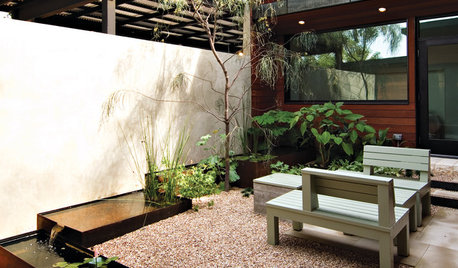
LANDSCAPE DESIGNStrike a Balance: Stuff vs. Space in the Garden
Zoom out to the big design picture before focusing on the little details, to create a garden with all the elements in balance
Full Story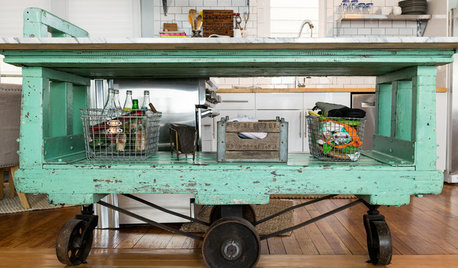
KITCHEN DESIGNKitchen Recipes: Factory Cart Inspires a Dream Cooking Space
These homeowners' kitchen was almost nonexistent, so they whipped it up from scratch. See what they cook there and get the recipe too
Full Story
BATHROOM DESIGN7 Striking Paint Colors for Your Powder Room
Whether you opt for a little or a lot, see why the petite bathroom is the perfect place for a fun hue
Full Story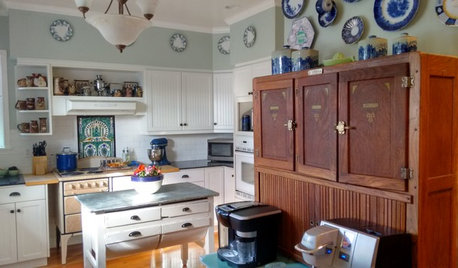
KITCHEN DESIGNKitchen Recipes: Secret Ingredients of 5 One-of-a-Kind Cooking Spaces
Learn what went into these cooks’ kitchens — and what comes out of them
Full Story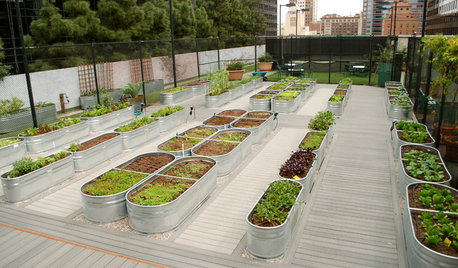
LANDSCAPE DESIGNRecipe for Modernist Edible Garden Style
Herbs, vegetables and fruit trees aren’t just for traditional gardens. Here’s how to design them into modernist landscapes
Full Story
KITCHEN DESIGN5 Home Cooks Share Their Favorite Family Recipes
Peek inside the kitchens of these Houzz users and learn how to cook their time-tested, passed-down dishes
Full Story
DECORATING GUIDES10 Recipes for Shabby Chic Style
Rustic furniture, floral fabrics, sparkling chandeliers. Here are 10 easy ways to bring the romantic cottage look into your home
Full Story
CONTEMPORARY HOMESHouzz Tour: Glamorous Home Strikes a Bold Note in Black and White
A new house in suburban Minneapolis looks to Hollywood and Italy for interior inspiration
Full Story
KITCHEN DESIGNKitchen Counters: Sturdy, Striking Recycled Glass With Cement
Ecofriendly and full of character, this heat- and scratch-resistant material is a great fit for custom kitchen counters
Full Story
LANDSCAPE DESIGNRecipe for Asian Edible Garden Style
A surprising number of food plants are hiding out in Asian-themed landscapes. Add a few more and extend the Zen flavor to the kitchen
Full Story
John Liu