

Yet Another Coyote Attack in Central Florida
7 years ago
Featured Answer
Sort by:Oldest
Comments (26)
 7 years ago
 7 years agolast modified: 7 years ago
Related Discussions
Central Florida Cymbidiums
Comments (12)Xuan, it gets hot in Florida... Here is some info on the climate: http://edis.ifas.ufl.edu/EH105 For 6 months of the year temperatures can be above 90°F (32.2°C) and relative humidity can be 50% or higher Summers are hot, with about 90 temps for months...Winters are mild, and less humid. We get maybe one or two below freezing nights, and occasional cold fronts with temps in 30-40 range...Otherwise, 50-55 at night is common throughout the winter monthds I grow all my cymbidiums in clay pots. I use either aged cow manure (Black Kow brand) with pebbles and lots of perlite added, or make a coconut husk mix. I mix coconut fiber, big chunks of coconut husk, large perlite, medium charcoal, and pebbles/gravel. I have been happy with the mix and get nice roots in it. Lots of morning sun and bright light throughout the day. I try to avoid afternoon sun, as I noticed that plants receiving strong afternoon light in summer grew well but did not flower in the winter. I moved a few plants to a more sheltered location (from the afternoon sun) and both plants have spiked and did not abort the spikes this winter. Both are opening their flowers now :) Hope this helps! Good luck with your cymbidiums...They are gorgeous plants Olya...See MoreEndemic Tillandsia from Central Florida
Comments (19)It is quite amazing how many babies pop up everywhere from trees to ground (in the concentrated area behind my house) I wonder why they only pop up in this area. It is quite different than the rest of the woods. It seems to be where the Scrub Oaks are the most dense. It kind of feels different than the rest of the woods. The Tillandsia Utriculata is an endangered species of brom. I must have thousands of them only in about three or four thousand square feet. Sorry the pic is bad, but check out how dense these babies are! These are growing just on the other side of my property line, notice the barbwire fence dividing the two lots. The property line divides the Brom Hammock somewhat, with about 90% on my side. But the cool Till with the red flower (I think Balbisiana), only grows in a very small colony on the other lot :( That's why I brought some over to my personal brom collection. I wonder if it would be okay to introduce some Balbisianas in the pedominantly Utriculata Brom Hammock?...See MoreID help ... hawk in central florida
Comments (2)Can't say what kind of hawk it is but it could be a young one that hasn't achieved adult coloration yet. Young hawks tend to be bolder than adults and that may be why you could get so close. He may also have been invading the redtail's territory and that's why they were so upset. Just a thought....See MoreTemporary Potting Small Trees - Central Florida
Comments (2)Another thing you could do is sink the pots-plants and all-into your yard somewhere. This will help mitigate the tendency of pots to overheat in the summer sun. Heck, even up here, pots can get way too hot if sun-exposed. I'm always dismayed to see the power of marketing. There's simply nothing special about Miracle Grow products, but they have a large advertising budget. That said, I'm not sure why Ken is so alarmed at using either product as a temporary medium. We all, me and Ken included,advise against amending the small backfill area when we plant into the ground for a given plant's final home. But that's not what you're doing. Finally, whatever you do, don't allow a situation to develop where your little trees are drowning in a pool of saturated soil. Moist is good, constantly saturated is bad....See More 7 years ago
- 7 years ago
 7 years ago
 7 years agolast modified: 7 years ago
 7 years agolast modified: 7 years ago
- 7 years ago
 7 years ago
- 7 years ago
 7 years ago
 PRO7 years ago
 7 years ago
 7 years ago
 7 years ago
 7 years ago
- 7 years ago
 7 years ago
- PRO7 years ago
- 7 years ago
- 7 years ago
 7 years ago
 PRO7 years agolast modified: 7 years ago
- 7 years ago
- 7 years ago
Related Stories

HOUZZ TOURSHouzz Tour: Step Inside (and Out) a New Florida Showhouse
2012 'New American Home' at International Builders Show celebrates latest materials and ideas for luxurious, indoor-outdoor living
Full Story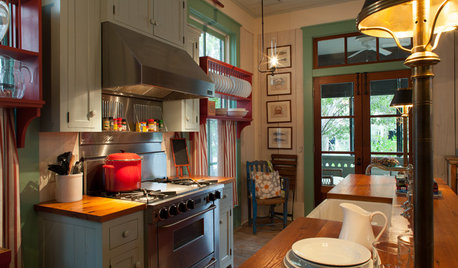
TRADITIONAL HOMESHouzz Tour: Lessons in Florida Cracker Style From a Vacation Home
This casual vintage home style is making a comeback. See the defining features up close in this relaxed house built for a crowd
Full Story
CLOSETSGet It Done: Attack the Coat Closet
With a concrete plan and a little elbow grease, you can tame your jumble of jackets in a single afternoon
Full Story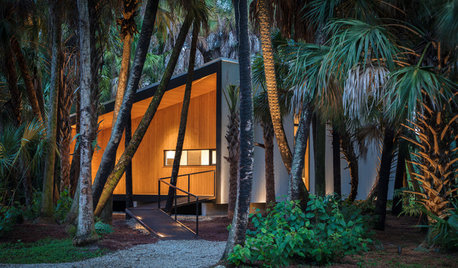
SMALL HOMESHouzz Tour: An Accessible Tiny-ish House in the Florida Palms
A builder creates a 600-square-foot dream home on the Gulf Coast for his father
Full Story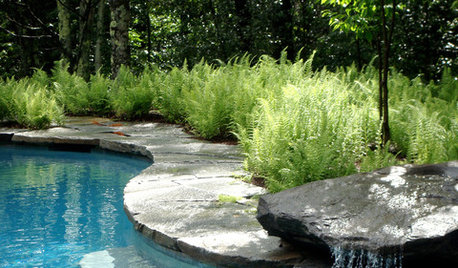
GROUND COVERSNative Alternatives to English Ivy, Japanese Pachysandra and Periwinkle
These shade-loving ground covers are good for the environment and say something about where you are
Full Story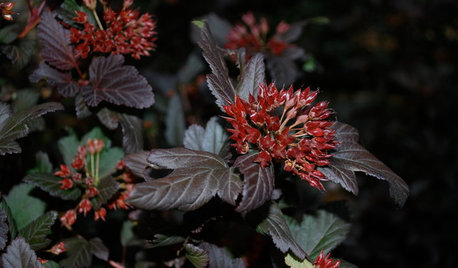
LANDSCAPE DESIGNGreat Design Plant: Sun-Loving Ninebark Puts on a Color Show
This tall, dark and handsome native shrub is equally at home in jeans and boots or in a suit and tie
Full Story
GARDENING FOR BUTTERFLIES3 Ways Native Plants Make Gardening So Much Better
You probably know about the lower maintenance. But native plants' other benefits go far beyond a little less watering and weeding
Full Story
NATIVE PLANTSAutumn Joy: How to Get 3 Months of Fall Flowers
Enjoy blooms from September to November by mixing 6 asters native to different areas of the U.S.
Full Story
GARDENING GUIDESGreat Design Plant: Tradescantia Ohiensis Adds Shades of Blue
This reliable, adaptable U.S. native provides spider-like foliage and clusters of blue to purple flowers in Eastern gardens each spring
Full Story
GARDENING GUIDESGreat Design Plant: Conoclinium Coelestinum
Blue mistflower is a critical late-season native for pollinators that blooms for weeks
Full Story
arkansas girl