

Vermi-compost, waste and growing food?
7 years ago
Featured Answer
Sort by:Oldest
Comments (10)
Related Discussions
using town compost from waste treatment??
Comments (5)Last summer I called our health department because I suspected our local grocery produce managers were lying to me and wanted to know the truth. (They were lying...there is no ordinance that says you can't give outdated produce to a composter) But when I called, the health dept. guy I talked to turned out to be a composter and gardener himself. He said forget the stores, not cooperative, but you could get unlimited treated waste sludge at the sewer department. He claimed it was totally safe, odorless, and made wonderful green for compost. He used it all the time. I know you're talking about finished compost, but I'm guessing they use the same treated sludge in the mix. This was a health dept inspector, so he surely knows about safety issues. I'm with you, wouldn't use it on edibles, but I think it would be fine for flowers. Personally, I have a hard time getting past the ick factor, and that really makes no sense. I have no problem rolling around in cow or horse poop, but the idea of a treated byproduct of human waste freaks me out....See MoreVermiCompost tea granules?
Comments (4)Although I am a huge proponent for using compost, in this case I wouldnÂt recommend it. The reason is cost and labor requirements. Top-dressing a lawn takes one cubic yard per 1000 square feet of lawn. How many yards would you need? It has to be spread by shovel and wheel barrel, dumping and flinging it around the yard and then raking or sweeping it for thin, even coverage. An alternative to spreading compost would be to mulch mow lots of fallen leaves into your lawn in the fall. This would add quite a bit of organic matter (OM) to the top of the soil where nature places it. Switching to organic fertilizers especially grains would add OM and be good. There are many to choose from. For me, the workhorse of organic fertilizer is soybean meal. It is rich in nitrogen and micro nutrients, is cost effective and usually available at farm animal feed stores. Many like to diversify their fertilizers by switching between soybean meal and corn meal or cracked corn, Alfalfa pellets (rabbit food) is also used. Commercial organic fertilizers are available from Scotts, Milorganite and others. Both are generally available at Lowes, Home Depot, or Mennards. Used Coffee grounds are very good and available free for the asking from Starbucks and other coffee stores. Look into using compost tea and liquid molasses to jumpstart and feed the micro-organisms living in your soil. Cultural practices are very important. Mow high and water deeply but infrequently. Congratulations on your decision to switch to organic lawn care. Have you started your own compost pile yet? Bill Hill...See MoreFeasibility of vermi-composting in open air
Comments (4)If you want to do your vermicomposting in a pit just add the vegetable matter to the soil and nature will do the rest. Don't add compost worms, you will get free native worms when the compost cools down. Marshall...See MoreNatural Compost Container for Human Waste
Comments (19)Oh you're just talking about storing compost. Well on that subject, I can say that compost is best immediately after it's finished. You can store it for a brief period, like if a batch gets done in July and you want to save it for amending a bed for fall planting. Best to leave it in contact with air (sealed plastic bucket is not ideal for this), and able to be somewhat moist but not exposed to heavy rain that would leach out nutrients. Moisture and air are important to keep the microbes active, since they are part of what makes compost beneficial to plants. Hope that helps....See More 7 years agolast modified: 7 years agoplllog thanked dcarch7 d c f l a s h 7 @ y a h o o . c o m
 7 years agolast modified: 7 years ago
- 7 years ago


Related Stories

KITCHEN DESIGNHow to Waste Less Food
Here are 9 relatively painless ways to throw away less food and stretch your grocery dollars
Full Story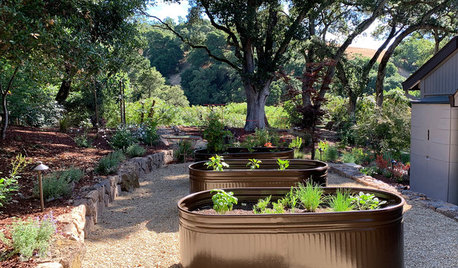
FARM YOUR YARD6 Things to Know Before You Start Growing Your Own Food
It takes time and practice, but growing edibles in the suburbs or city is possible with smart prep and patience
Full Story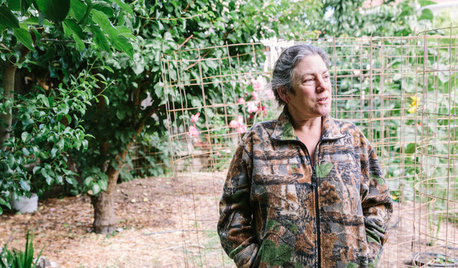
FARM YOUR YARDTo Get the Food They Believe In, These Urbanites Grow Their Own
Home gardeners farming on their city lots find that local, organic food isn’t the only reward
Full Story
GREEN BUILDINGWhere to Hide the Kitchen Compost Bin
Enriching your soil doesn’t have to mean staring at a countertop pile of decomposing food scraps
Full Story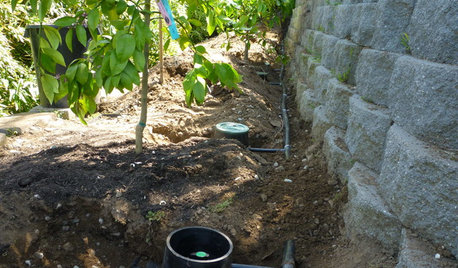
EARTH DAYGrow a Beautiful Garden With Ecofriendly Greywater
Reducing home water waste means lower bills and a healthier planet. Here's how to set up a greywater home irrigation system that can help
Full Story
HOUSEKEEPINGTips for Extending the Shelf Life of Your Fridge Food
These refrigerator rules will keep more of your food fresh and tasty — and out of the compost bin
Full Story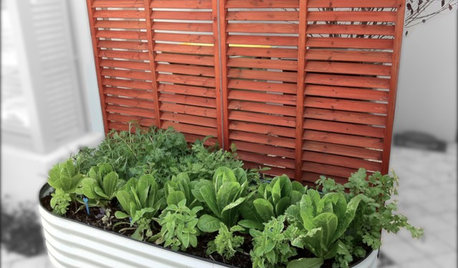
FEEL-GOOD HOME21 Ways to Waste Less at Home
Whether it's herbs rotting in the fridge or clothes that never get worn, most of us waste too much. Here are ways to make a change
Full Story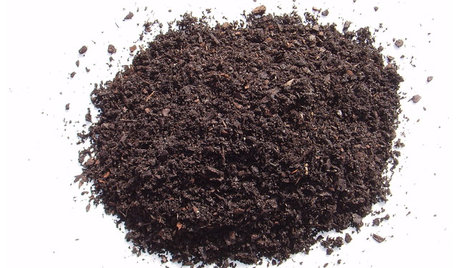
GARDENING GUIDESGet on a Composting Kick (Hello, Free Fertilizer!)
Quit shelling out for pricey substitutes that aren’t even as good. Here’s how to give your soil the best while lightening your trash load
Full Story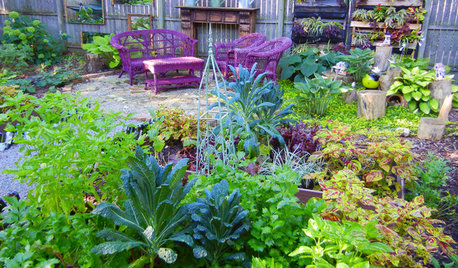
GARDENING GUIDESShades of Vegetable Gardens: Growing Edibles in Less Sun
See how one gardener produces a veritable feast of vegetables and herbs under a canopy of shade
Full Story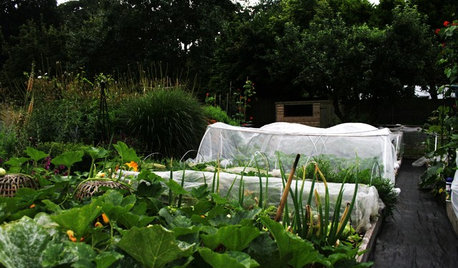
EDIBLE GARDENSFood and Community Thrive in a U.K. Allotment Garden
Get a peek at a rented garden plot in England where edibles and flowers mix and local residents can mingle
Full Story
dcarch7 d c f l a s h 7 @ y a h o o . c o m