

The Thrive Market, non-GMO food
8 years ago
last modified: 8 years ago
Featured Answer
Sort by:Oldest
Comments (31)
 8 years ago
- PRO8 years agolast modified: 8 years ago
Related Discussions
GMO food
Comments (20)I agree with mr clint. The very least they can do i label... I think it depends on what they do with GMO and how they do it. Papaya was saved due to GMO tech. They are thinking of using GMO banana for the same reason. The only thing is it wont stop the problem - monoculture of the same genetic line (im talkin banana). Its known to be part of the problem which is causing the disease in banana, and also all but wiped out the "gros mIchele" banana you older folks may remember eating in the 50s or 60s. The problem I have is with the roundup ready GMO. I see this more of a money making gimmick then helpful. Recent longer term studies have also shown that there may be lasting effects in mammals as well (not with GMO in general, im talkin round up ready gmo). THis is what most people seem to think about when you mention GMO. Again, round up ready strains are due to farmers not wanting anything but their crops (again, usually blocks of monoculture with try to force succession into overdrive) It also just seems to be a big business plan rather then helping farmers (again, in regards to round up ready/monsanto crops, not GMO in general). The real problem IMO, is the fact that even though many GMO crops are labeled as "infertile" or "seedless" or "pollenless" this does not mean completely. GMO grains have escaped cultivation. There have been many law suits on monantos behalf for "copyright" because gmo genes have showed up in non GMO crops as well. There needs to be more studies done on how much damage, if any that gmo pollen can cause on non gmo crops and that industry. You also cannot save monsanto seeds. I also wouldt be surprised if the definition of GMO was changed. You can in theory apply it to cross breeding plants, as well as synthetic crosses and work on the genome in labs. The vast majority of people seem to think of GMO as foods worked on in labs and having non plant or non species genes implanted into its genome. I think they can be used for our benefit, and even natures benefit. The problem is that there seem to be many pressing problems with our food crops. Namely citrus and banana at the moment. This also makes GMO research and implementation seem a bit rushed. Like these quotes from monantos own site: "Thus, there is no need to undertake lifetime animal cancer studies for GM foods that contain new DNA, RNA, and proteins with well-characterized functions" "Why aren’t you running human clinical trials on GM crops? Because existing food crops are recognized as safe, the logical starting point for safety assessment of a GM food is to ask “what’s different?”" How do you know they are safe without running clinical trials? There have been some done, some which I have posted before, in which the scientists needed a court order to get what little clinical data monanto had to compare. All legitamate longer term studies now have found some discrepancies, but all agree there needs to be way more long term studies in regards to round up ready GMO. I have not heard of such problems with GMO crops like papaya. To me, using GMO is like a bandaid for trying to cover the damage that modern day agriculture causes. The problem is people are either unwilling to change, or there is not enough evidence to suggest other ways of farming. Has anyone seen the new study showing that type of rizobia that can attatch itself to any seed or root system, therefore letting the plant take in atmospheric nitrogen, like a legume? I think that has more impact then GMO food at the moment....See MoreWhy We Need Mandatory GMO Food Labels
Comments (11)The consumer must educate themselves. Obviously there exists widely varying opinions and deep emotions on the subject of GM foods as well as sources of information on the subject. Let there be a broad, bright source of light whose source is rooted in science rather than emotion and opinion shining out across the world. What precious little research on GMOs in food I've seen in refereed journals doesn't make a good case for consuming GMOs but I haven't seen nearly enough to conclude that they are a threat to my diet. Much more work needs to be done for me to make a rational, knowledge based decision. In the meantime, this country needs to get it's feces congregated and institute COOL, Country of Origin Labeling at the very least, if we can't get that done there is no hope for trying to get GM labeling. The thought of eating produce from China is both sickening and a tad frightening considering their environmental laws and regs.....See MoreGMO cancer paper to be retracted
Comments (93)"BUT there is no claim or conclusion in the paper “that Roundup Ready maize NK603 and/or the Roundup herbicide have a link to cancer”; nor does the “entire paper” “claim that there is a definitive link between GMO and cancer”. IN FACT, THE ENTIRE SERALINI PAPER DOES NOT MENTION THE WORD “CANCER” ANYWHERE!" ...except the dozens of places where they mention tumors in the paper...which is all over the damn place...even (and especially) in the "Results" breakdown in the paper. "His toxicity study has now been retracted on the grounds of claiming “a definitive link between GMO and cancer”, which it nowhere makes." Ummm no. It's being retracted on the grounds of "FCT has retracted this article because our thorough investigations revealed that its methods were scientifically flawed. The low number of animals, and the strain selected, rendered the conclusions unreliable. No definitive conclusions could be drawn from the inconclusive data." according to the official explanation...not because “a definitive link between GMO and cancer." I quit reading there because my mind exploded as a result of the overwhelming stupidity. I have no idea who their target audience is when they pull that as the first punch. That is an extremely weak defense. Here's the response they're flailing against in case anyone is interested... http://www.elsevier.com/about/press-releases/research-and-journals/food-and-chemical-toxicology-editor-in-chief,-a.-wallace-hayes,-publishes-response-to-letters-to-the-editors Here is a link that might be useful: Elsevier - Response to Letters to the Editors This post was edited by nc-crn on Thu, Dec 12, 13 at 1:15...See MoreWhole Foods To Label GMO Foods
Comments (33)Thanks for the link Annie, I checked it out, and as of the date of that article, Seminis did sell to Territorial and Johnny's as well as Fedco. It could be that a couple of the brassicas I just bought from Fedco, as well as the Lollo Rosa lettuce from Burpee could have come from Seminis. I will have to call the companies and check. A short snippet from the article Annie posted: " Taking spinach into his own hands: Nash Huber doesnâÂÂt want to get stuck depending on a hybrid that might get dropped by a mega-company owner on a whim. He also doesnâÂÂt want to lose any of the vigor, disease resistance, etc. that hybrid has provided. So Nash is working on dehybridizing �" breeding an open-pollinated spinach that is well adapted to his needs. (pictured: Huber, left; Matthew Dillon, right) Posted February 22, 2005: The news of MonsantoâÂÂs agreement to purchase Seminis has received little attention from the media other than the financial pages and a few seed industry and anti-globalization web sites. But then again, why should it? How many consumers �" of food or seed �" have even heard of Seminis? And yet, as Seminis spinmeister Gary Koppenjan said, âÂÂIf you've had a salad, you've had a Seminis product." It is estimated that Seminis controls 40 percent of the U.S. vegetable seed market and 20 percent of the world market�"supplying the genetics for 55 percent of the lettuce on U.S. supermarket shelves, 75 percent of the tomatoes, and 85 percent of the peppers, with strong holdings in beans, cucumbers, squash, melons, broccoli, cabbage, spinach and peas. The companyâÂÂs biggest revenue source comes from tomato and peppers seeds, followed by cucumbers and beans. In large part, these numbers reflect usage of Seminis varieties within large industrial production geared towards supermarkets, but Seminis seeds are also widely used by regional conventional and organic farmers as well as market and home gardeners. JohnnyâÂÂs, Territorial, Fedco, NicholâÂÂs, Rupp, Osborne, Snow, and Stokes are among the dozens of commercial and garden seed catalogs that carry the more than 3,500 varieties that comprise Seminisâ offerings. This includes dozens of All-American Selections and an increasing number of varieties licensed to third parties for certified organic seed production. The brand-name companies under Seminis (such as Petoseed) have developed, released, produced and distributed varieties common to the market farmer and even home gardener. These include Big Beef, Sweet Baby Girl and Early Girl Tomatoes; Simpsons Elite and Red Sails Lettuces; Red Knight and King Arthur Peppers; Gold Rush and Blackjack Zucchinis; Stars & Stripes Melon; and Bush Delicata and Early Butternut squashes (see sidebar for other popular varieties)." So home gardeners DO have to check their seed, these are very popular varieties though the article is NOT saying that these......See More 8 years ago
- PRO8 years agolast modified: 8 years ago
- 8 years agolast modified: 8 years agoLars/J. Robert Scott thanked writersblock (9b/10a)
- PRO8 years agolast modified: 8 years ago
- PRO8 years agolast modified: 8 years ago
- 8 years ago
 8 years agolast modified: 8 years ago
 8 years ago
- 8 years ago
 8 years ago
- 8 years ago
- 8 years ago
- 8 years ago
- 8 years agolast modified: 8 years ago
- 8 years agolast modified: 8 years ago
- 8 years ago
- 8 years ago
 8 years ago
- 8 years ago
- 8 years ago
- 8 years ago
- 8 years ago
- 8 years ago
 8 years ago
- 8 years agolast modified: 8 years ago

Related Stories
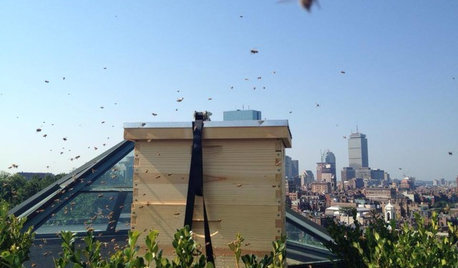
FARM YOUR YARDHello, Honey: Beekeeping Anywhere for Fun, Food and Good Deeds
We need pollinators, and they increasingly need us too. Here, why and how to be a bee friend
Full Story
SELLING YOUR HOUSE10 Low-Cost Tweaks to Help Your Home Sell
Put these inexpensive but invaluable fixes on your to-do list before you put your home on the market
Full Story
HEALTHY HOME12 Ways to Set Up Your Kitchen for Healthy Eating
Making smart food choices is easier when your kitchen is part of your support team
Full Story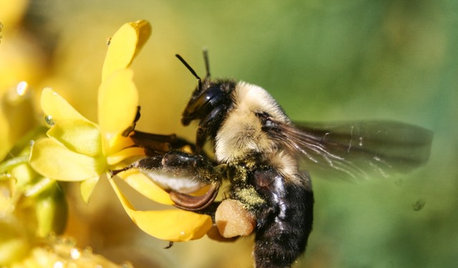
GARDENING FOR BUTTERFLIESGardening for the Bees, and Why It’s a Good Thing
When you discover how hard bees work for our food supply, you may never garden without them in mind again
Full Story
FARM YOUR YARDHow to Farm Your Parking Strip
Get an up-close look at a thriving street-side edible garden, one of many sprouting up in Seattle
Full Story
GARDENING GUIDES6 Ways to Grow Edibles in Small Places
No big backyard? Join in the grow-your-own fun with these small-space ideas for planting vegetables, fruits and herbs
Full Story
DECORATING GUIDESHemp, Hemp, Hooray! This Superplant May Be Legal Again in the USA
Hemp products are durable, sustainable, antibacterial and much more. Will the plant finally get the status it’s due in the States?
Full Story
FEEL-GOOD HOME21 Ways to Waste Less at Home
Whether it's herbs rotting in the fridge or clothes that never get worn, most of us waste too much. Here are ways to make a change
Full Story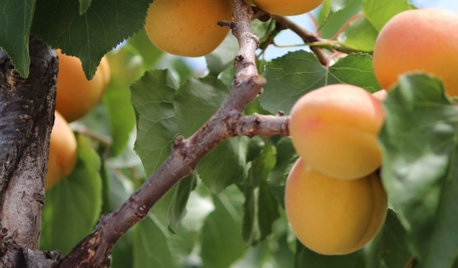
FARM YOUR YARDIf You Have Room for Only One Fruit Tree ...
Juice up a small garden with one of these easier-care or worth-the-effort fruit trees for a mild climate
Full Story
SELLING YOUR HOUSEA Moving Diary: Lessons From Selling My Home
After 79 days of home cleaning, staging and — at last — selling, a mom comes away with a top must-do for her next abode
Full Story
bragu_DSM 5