

New ideas for cold/room temp dips
8 years ago
Featured Answer
Sort by:Oldest
Comments (26)
 8 years ago
Related Discussions
Cold Temps this week
Comments (12)I have been thinking about the expected cold temps and wondering what damage, if any, we can expect. WHEN TO EXPECT A FROST: As Randy mentioned above, partly cloudy to cloudy skies are helpful in this situation as they help hold in the heat and may prevent frost from forming. On the other hand, clearing skies may pave the way for a frost. Signs that indicate a frost could occur include these: no visible clouds at sunset and clear starry skies after sunset, little or no wind, a nearly full moon, no ring around the moon, and no frogs singing at night IF they have already been up and singing on previous nights. If the air has felt relatively nice in the evenings and it suddenly feels 'nippy' that is also a good clue, especially if it feels 'nippy' by 9 or 10 p.m. SOME PLANTS WON'T BE DAMAGED: Most native plants can handle a late frost just fine. Many flowering perennials that sprout in the fall and overwinter as small rosettes are also extremely cold tolerant, as are plants that emerge in late winter or early spring from seed sown in the fall or early winter. This includes poppies, larkspur, violas, bachelor buttons, love-in-a-mist, pansies and some cosmos. Herbs that sprout in late winter or early spring, like chamomile, chives, tansy, catnip, etc. can usually handle cold spells just fine. SOME PLANTS MIGHT BE DAMAGED: Some perennials that have already sprouted are more cold-sensitive and would benefit from having a sheet or some other covering tossed over them. This includes hybrid lilies, hostas, delphiniums, mallows, hibiscuses, garden phlox and balloon flowers. Cannas may be susceptible damage but mine have withstood some pretty good temps. COLD RESPONSE VARIES: Every plant is different in its response to cold weather, frost damage or freeze damage. Many plants, including fruit trees, can withstand cold down to about 28 degrees before you will see much damage. The pink and purple flowers on early-blooming magnolias may turn brown and shatter as a result of damage from a late freeze. DIFFERENT FACTORS GIVE DIFFERENT RESULTS: How much cold a plant will withstand varies, depending on the conditions in which it is grown as well as on its own plant genetics. Another factor is how quickly the temperature falls. If the temps plunge dramatically, as they often do with the first 'blue norther' in the fall, you will see more damage because the plants could not acclimate to the sudden dramatic drop in temps. In the springtime, though, the late freezes usually are less dramatic and the plants are better prepared for them. HOW/WHY FREEZE OR FROST DAMAGE OCCURS: When freeze or frost damage occurs it is caused by the formation of small ice crystals within plant cells and the open spaces between plant cells. As the ice crystals grow, they rupture cell walls and this damage results in the plants losing their ability to hold their shape. When that happens here, some people will say their plants 'just melted'. WHICH PLANTS ARE MORE EASILY HURT? Plants that have a higher moisture content in their cells, like impatiens, begonias or portulacas, will usually show the worst damage. Some plants, like roses, are pretty tough and can withstand quite a bit of cold. WHICH PLANTS CAN SHRUG IT OFF? Cool-season crops like lettuce, onions, spinach and cabbage shouldn't have any damage at the temps we're expecting this weekend. Many plants that suffer less damage have higher salt levels in their cells, as well as lower levels of water. SIGNS OF DAMAGE: If your plants are damaged by the cold weather, you will know it. On warm-season plants the formerly green plant material that is damaged will turn brown or black. Sometimes it will be mushy. You can prune this damaged tissue away and the plant may survive depending on how extensive the damage is. If you're expecting more than one night of cold weather, don't prune away the damage after the first night as it may protect plant material beneath it that is still undamaged. If you have a vegetable garden or row crops in a field, you can see damage from chilling even if your temperatures remain above freezing. The degree of chilling damage varies from plant to plant and is highly dependant on many factors, including soil moisture (which is high here following recent rains) and the relative humidity. When a plant has chilling damage, you will have an increase in ethylene production in the plant. Cell members may leak as they do with freeze/frost damage. CHILLING DAMAGE: Chilling damage can show itself in many ways. Sometimes you see it as leaf scorch or plant yellowing. It may manifest itself as turgor (drooping/wilting of foliage). On some members of the cucurbit family the damage shows up as white areas on foliage where dessication occurs. This can happen on warm-season plants like cucumbers when temps are only in the 40s and low 50s. The plants usually outgrow this type of damage as long as the cold spell is a relatively short one. Sometimes plants that have received chilling damage don't show a lot of physical injury, but will sit there for days or weeks with little growth. They may have a significant yellowing of most of the plant similar to what you see when a heavy rain leaves them waterlogged. Eventually they seem to get over it and begin growing again. FREEZING BACK TO THE GROUND: In the event of a late hard freeze (and we are NOT expecting one in southern Oklahoma this weekend, but I don't know about the rest of you), some warm-season plants that are already in the ground and growing well can freeze back to the ground. Some years I have had tomato and pepper plants freeze back to the ground and still come back from their roots. Sweet corn plants that have sprouted and are growing seem able to take quite a bit of cold. On the other hand, bean plants that have frozen back to the ground generally don't recover. If your plants experience only a short period of chilling they may not show any aftereffect whatsoever. I hope this info helps. Now its just a game of 'wait and see'. Even though we almost always have a late cold spell near Easter, I only see significant damage maybe 1 or 2 years out of 10. Dawn...See MoreTemps dropping into the 40s at night. Cold protection options?
Comments (6)I had another thought too. Would trimming off the new flowers and buds divert energy to the existing fruit and maybe get them to grow and ripen a little faster? I'm planning on an experiment. We have 2 Cayennes with green fruit, 2 Jalapenos, and 2 "mystery hots". I was going to let one of each just keep going as best it can, and I was going to trim the flowers and new buds off the others and just watch 'em and see what happens. - Mark...See MoreSide dishes big group- room temp or cold
Comments (32)I also have one of those coolers guaranteed to keep ice for 5 days. It works well when it's 80F or lower, but I can only get 2 or 3 days out of it when it's over 80F. Still, that's a pretty long time. I also use a styrofoam cooler that some of that online Omaha Steaks beef was sent to me in. The cooler is great, the beef was very underwhelming. So, I think either would work. My suggestion was baked beans, not something that could be easily overcooked, IMO. Annie...See MoreMain Water Heater to Point of Service Heater to Faucet: Dip in Temps?
Comments (5)6 gallon 2k watt pos shouldn't suffer momentary drop at a basin but might suffer slightly in a shower but not enough difference to make it uncomfortable. You have some options but shouldn't be attempted with instructions on the web. (1) If a new circuit must be run for heater,make it 240 volt and use an oversized 3.5k to 4k element. That's enough for unlimited continous use. If you are using an existing 20amp/120v circuit and nothing else besides lights are on it, the t-stat can be adjusted to come on a few secounds sooner IF NEEDED. Before readjusting stat,clamp a meter on to wire and see how long before stat kick's in. It should be very soon on a well desighned heater. All that's required is aiming cold inlet directly at stat sensor. Mention was made of recirculation. I would never retrofit for continous circulation,it wear's lines out. New build have specailized lines for continous circulation. I've had satisfactory results installing pump wired to occupancy sensor or a manually operated wall switch that times out after 10-30 minutes. The down side to retro circulation is that some facuets will have hot water on cold side when pump is operating and shortly thereafter....See More 8 years ago
 8 years ago
- 8 years ago
 8 years ago
 8 years ago
- 8 years ago
- 8 years ago
- 8 years ago
- 8 years ago
- 8 years ago
 8 years ago
- 8 years agolast modified: 8 years ago
- 8 years ago
- 8 years agolast modified: 8 years ago
- 8 years ago
- 8 years ago
 8 years ago
 PRO8 years agolast modified: 8 years ago
- 8 years ago
- PRO8 years ago
 8 years ago
 PRO8 years ago
- 8 years ago
- 8 years ago
Related Stories
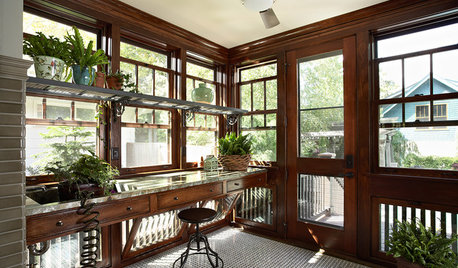
WINTER GARDENINGWinter Gardening: Ideas for a Dream Potting Room
Check out potting rooms that get indoor gardening right — and learn tips for creating your own
Full Story
PETSPet-Proofing Your Home: A Room-by-Room Guide
Not all pet dangers are obvious. Keep furry friends safe and sound by handling all of these potential hazards
Full Story
POOLS8 Ideas for Petite Pools
Modest in size but big on looks and function, pools like these offer a private swim space without requiring lots of room
Full Story
PHOTO FLIP105 Ideas for Entryway Mirrors
Enjoy this gallery of mirrors near the front door. Which one can you see yourself in?
Full Story
PORCHESTrending Now: Our Most Popular New Outdoor Rooms
These top photos offer ideas for your own outdoor space. Don’t you need an outdoor tub, cafe table or swinging daybed?
Full Story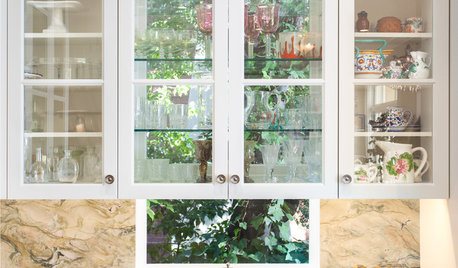
KITCHEN DESIGNGreat Idea: Windows Behind Kitchen Cabinets
This design trend provides kitchen storage while letting more light into the room
Full Story
DINING ROOMSTrending Now: 10 Most Popular New Dining Room Photos
See the new dining room photos being added to the most Houzz ideabooks. Is there an idea in here for you?
Full Story
GARDENING AND LANDSCAPING9 Traditional Design Ideas for Your Garden
If modern landscapes leave you cold, here are ways to weave in classic character
Full Story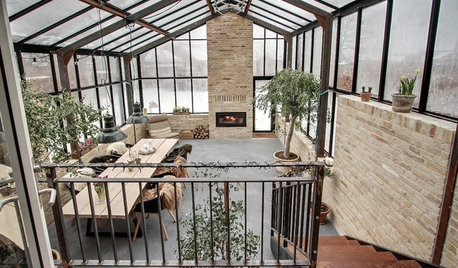
LIVING ROOMSAddition Gives This Family a Living Room in a Glass Conservatory
Who says you can’t enjoy indoor-outdoor living in cold climates? This Danish conservatory is bright and cozy year-round
Full Story
BUDGET DECORATINGThe Cure for Houzz Envy: Living Room Touches Anyone Can Do
Spiff up your living room with very little effort or expense, using ideas borrowed from covetable ones
Full StorySponsored

amylou321