

Selling Home Cooked Food
9 years ago
Featured Answer
Sort by:Oldest
Comments (29)
 9 years ago
- 9 years ago
Related Discussions
Selling Your Home Preserved Food
Comments (3)It is a good thing that they have allowed home bakers to sell their goods in MI. Here in NC it is only regulated by having an inspected kitchen (it can be in-home kitchen) and by having a well test every year, if you are on one. Offering jams and jellies, the same. However (and this is for every State), if you plan on selling acidified foods (pickles of any vegetable, chutney, chow-chow, etc.) the federal government steps in and disallows selling any product without registering your "manufacturing facility" and filing a Scheduled Process for each product with them. Exempted are fermented foods (sauerkraut, fermented pickles, etc.), most fruits (pH below 4.6), and most dehydrated foods (water activity below .85), except meat jerky (then the State allows or disallows sales). I do hope you check with your County Extension Agency before offering acidified foods. I also learned from my Agent that the FDA does not allow any food processed using a home pressure canner to be offered for sale. Nancy Here is a link that might be useful: FDA Regulations...See MoreHow many sell homecooked food at their farmer's market?
Comments (13)Please, please be careful with what you offer for sale. The FDA has regs about what you can sell to the public (including open-air markets and farmers markets) and they are really VERY tough on the little guys if caught. I abide by the regs because this is my hobby income and I would not want to be shut down permanently, let alone sicken anyone because of my ignorance. Just because you serve it to your family does not mean it is OK to offer it for sale. One of the biggies is that home-canned food prepared in a pressure canner can never be offered for sale in any State, Nationwide. Reason is they can't certify that the proper pounds of pressure and length of time was used when prepared in a home canning kitchen. There is also no way to water bath can low acid foods safely unless pickled (acidified) and PLEASE NO CANNED GREEN BEANS - they've killed enough people already. To offer ACID and ACIDIFIED (pickled) LOW ACID canned foods the FDA (Nationwide) requires you to complete a course and become an Operation Supervisor, or have one supervise your entire process for each batch. It is called "Acidified Foods Processing and Packaging, Better Process Control School" that is offered through County Extension offices in each State. This would include water bath canned foods like pickles, salsa, mustards, chutney, vinegars, and all tomato products. REFRIGERATED PICKLES cannot ever be offered for sale either (not shelf stable)! You must also register your "facility" with the FDA under the Bioterrorism Act of 2002 if you want to sell acidified foods. It is free to register. The reason is that they want a chain of contamination if something nasty breaks out - remember the bags of spinach, canned mushrooms, peanut butter? And, if you sell acidified low acid foods, you must file a Process Control sheet for each product, also free. I would be very, very worried about offering the Sicilian Pickled Eggplant recipe posted here without it being tested by my States Food Science Lab, not having an Acidified Foods approval, and, that it is not shelf stable. OK for family, but really scary being offered for sale at a Farmers Market. Each State has regs, as do some Cities and Counties. It would be wise to research them for your location, and not go by what the neighboring vendor says, or sells. Here in NC I have to have a Dept of INSPECTED KITCHEN and have my well inspected against E. coli every year. They can come in at any time without announcement to verify that their regs are being followed - just like they do for inspecting restaurants - and have the power to shut you down if not up to par. Another item you want to consider is the risk of botulism, molds, and bacteriaÂs like listeria and salmonella when foods are sold that must be kept hot or kept cold  which are not "SHELF STABLE". I would not want to take a chance that your customer leaves it in the car all day, eats it the next week, and sues you when they get sick. It does happen. BTW, do you have Mil$ liability insurance on your offerings in case it does? I do, for $125 a year. And, with TAKE AWAY foods, you may need a City, County, and/or State Health Department permit, usually called a "Concession Stand" or "Catering" Permit. It is hard to abide by their regs because of the risk of airborne contaminations outside of your kitchen. The FDA also does not want you to sell fresh meats, dairy products, frozen treats, sandwiches, cream pies, baked goods with meat, juices and hot coffee, for example, without the correct permits added to the shelf stable regs. For any MEAT OR DAIRY product, the USDA gets a say with their regs. I would not want to mess with them either. These regs are nationwide, not just State regulated. Selling EGGS also has regs so just out of the back of your truck is not a good thing to offer. I would really, really worry about those postings suggesting meat stuffed peppers, curry, pizza, fresh sandwiches, grilled peppers, and even that peanut butter (oil based). Your Market Manager should also be up on the regs since he/she would be held liable even if ignorant of the regs, which is not an excuse. Consequences are severe. As for BAKED goods, there is little regulation except that you should not offer anything that is not shelf stable. This includes no-no's like meringues and cheesecakes, very juicy pies and creamy tarts that are unstable in the open air. Breads and cakes, cookies and candies are shelf stable and are good sellers. That is why the Amish have such a nice variety. Pies are iffy  it is the water activity that the FDA is most concerned about - higher than .91% invites microorganisms to grow. http://www.foodtechsource.com/rcenter/tech_data/td_water.htm It is very difficult to ascertain your products water activity without expensive equipment. Suffice it to say that if your pie is very juicy and needs refrigeration to be safe, it is not good to offer it for sale. As for DEHYDRATED foods - there is little water activity so they are not regulated. Go ahead with jerky, dried veggies, fruits, and herbs, even dried soup blends. They are very good sellers and safe. As for JAMS AND JELLY - there is little possibility for growth of botulism with their high sugar content and the natural acidity of most fruits. But be careful - bananas, figs, peaches, persimmons, pears, plums, mangoes, blackberries, raspberries, strawberries, apricots, and tomatoes are low-acid and MUST have bottled lemon juice added to bring up the acidity levels when jellied or jammed. Molds are a problem if not canned properly (you must use a water bath canner for proper sealing and for long term safe storage). As for anything using OILS - don't go there. Especially low acid foods like garlic, peppers, onions, and herbs. There is a very high incidence of botulism contamination in the totally perfect environment oil packed foods contain. I personally would include nut butters in this group. A week in the refrigerator is not going to inhibit the growth of botulism. LABELING is very important. First of all you want your customer to come back to your booth, or call you with special orders. The FDA has labeling regs  it is just common sense to include them with your product. Fancy name of product, common name of product, ingredients in descending order, facility name, location and phone number, weight, preparation date or code. Be sure that you note on everything canned that it must be refrigerated after opening, and include an expiration date, and that should including fresh baked goods. That is for your own protection from lawsuits. If you are looking for more information about preparing home-prepared foods for sale or personal use - please visit the HARVEST FORUM here on GW. It mostly concerns home-canned and preserved foods and has a wealth of information in current and past posts, plus, lots of recipes and discussions about recipes found on the web. http://forums.gardenweb.com/forums/harvest/ Another resource is the National Center for Home Food Preservation (NCHFP). It is our go-to for any type of food preservation and even includes many great tasting and safety proven recipes. I also suggest you peruse the University of GeorgiaÂs book "So Easy To Preserve". FDA blessed. Recipes are not copyrighted, even yours, so it is totally OK to use the safe ones, just donÂt expect that GrandmaÂs recipe, or the one youÂve used for 50 years is OK to sell to the general public. Nancy the nancedar...See MoreCooking for a crowd, but food needs to be cooked ahead of time...
Comments (10)Let's see, what can be made ahead and frozen? Chicken pot pie, or even better since you're at the ocean, Lobster Pot Pie, I saw Ina Garten make one and couldn't figure out why I'd never thought of it. She used puff pastry dough, making it fast, instead of homemade dough. Cabbage rolls do well made ahead and frozen, then baked with the sauce when needed, or just cooked all day in a crockpot. Macaroni and cheese is easy and fast to put together and nearly everyone likes it. A "taco bar" has been discussed here many times, and it's something that people can put together as they like, you can use ground meat, marinated chicken, pulled pork or beef, or all or any combination, and some tortilla chips along with the toppings could yield nachos and taco salad for those who like that. LindaC's idea of meatloaf is a good one, and a couple of roasted chickens can yield hot chicken sandwiches, that above mentioned pot pie, chicken tetrazzini, chicken salad sandwiches, chicken enchiladas. You can't go wrong with a couple of roasted chickens. Your leftover roast can yield a shepherd's pie too, my girls loved it, along with Spanish Rice made with ground beef to make it a full meal. As well as dinners, how about breakfast? Lots of breakfast casseroles are quick and easy, and I make Woodie's Creme Brulee French Toast the night before and just bake it in the morning. The smell alone got my kids out of bed! Biscuits and gravy are pretty fast, if you bake biscuits the night before for supper and then heat them in the morning. BreaKfast burritos are easy to make ahead and freeze, as are "McMuffins", which then only need thawing and heating. Oatmeal cooks overnight with fruit in the crockpot really well too. I'm sure you have cookies, brownies, desserts covered. LOL Cookies and brownies freeze well, but the dough can also be made ahead and refrigerated for a day or two, and baked off as needed. Oh, and I have a cinnamon roll recipe that calls for making the dough the night before, letting it rise in the refrigerator and baking them the next day for hot, fresh cinnamon rolls, if you're interested in that. Annie...See MoreNative American food, cooking, and food storage
Comments (18)I have made maple syrup and maple sugar. Boil and boil and boil early spring sap until you have syrup. A cup of syrup starts as about 40 cups of sap. Maple sugar has even more water removed and needs to be watched carefully to keep it from turning into a hard mess. It is good to boil syrup outside or in a sugarhouse to keep the steam and heat out of your home. Special evaporating pans and reverse osmosis systems are used by those who make syrup commercially today. I was looking for cookbooks with Indian recipes (curry, dal, etc.) through my local library's website. One listing that showed up in an Indian cooking search was for Native American Indian recipes. It is The Sioux Chef's Indigenous Kitchen by Sean Sherman. I have it at home now. Sean's recipes use no European staples such as wheat flour, dairy, sugar, and domestic meat. He uses ingredients that were available in North America prior to the arrival of European settlers. The recipes feature wild game such as bison, rabbit, venison and native fish. They also use native plants such as beans, assorted herbs, blueberries, wild turnip, plums, purslane, wild rice, etc., etc. The author is promoting indigenous restaurant food and catering. Here's some more info: https://sioux-chef.com/...See More- 9 years ago
- 9 years ago
 9 years ago
- 9 years ago
- 9 years ago
- 9 years ago
- 9 years ago
 9 years ago
- 9 years agolast modified: 9 years ago
 9 years ago
 9 years ago
- 9 years ago
- 9 years ago
- 9 years ago
- 9 years ago
- 9 years ago
- 9 years ago
- 9 years ago
- 9 years agolast modified: 9 years ago
- 9 years agolast modified: 9 years ago
- 9 years ago
- 9 years ago
- 9 years ago
- 9 years ago
- 9 years ago
- 9 years ago

Related Stories
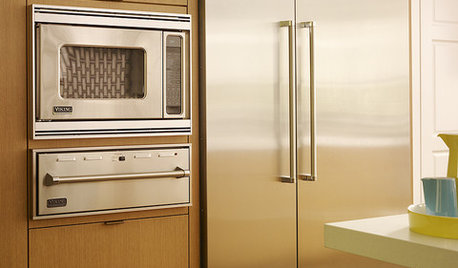
KITCHEN DESIGNA Cook’s 6 Tips for Buying Kitchen Appliances
An avid home chef answers tricky questions about choosing the right oven, stovetop, vent hood and more
Full Story
SELLING YOUR HOUSESell Your Home Fast: 21 Staging Tips
Successful staging is key to selling your home quickly and at the best price. From cleaning to styling, these tips can help
Full Story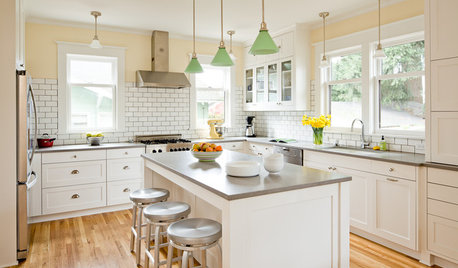
MOVINGThe All-in-One-Place Guide to Selling Your Home and Moving
Stay organized with this advice on what to do when you change homes
Full Story
SELLING YOUR HOUSESave Money on Home Staging and Still Sell Faster
Spend only where it matters on home staging to keep money in your pocket and buyers lined up
Full Story
DECORATING GUIDES7 Tips to Sell Your Home Faster to a Younger Buyer
Draw today's home buyers by appealing to their tastes, with these guidelines from an expert decorator
Full Story
SELLING YOUR HOUSE10 Low-Cost Tweaks to Help Your Home Sell
Put these inexpensive but invaluable fixes on your to-do list before you put your home on the market
Full Story
SELLING YOUR HOUSEThe Real Scents That Will Help Sell Your House
Ditch the potpourri and baked cookies. Follow these guidelines on scents to use and avoid to help sell your home
Full Story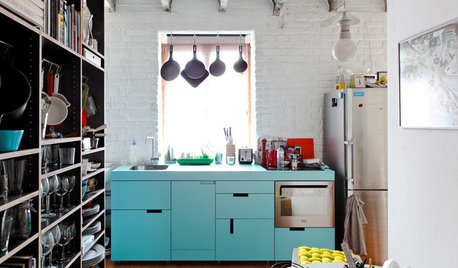
HEALTHY HOMEDetox Your Kitchen for the Healthiest Cooking
Maybe you buy organic or even grow your own. But if your kitchen is toxic, you're only halfway to healthy
Full Story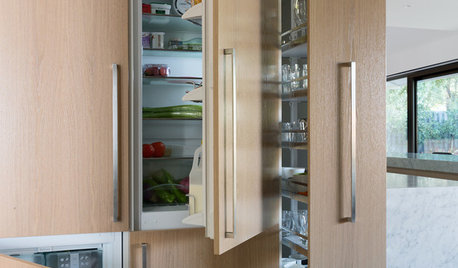
KITCHEN DESIGNHow to Waste Less Food
Here are 9 relatively painless ways to throw away less food and stretch your grocery dollars
Full Story
KITCHEN DESIGNTwo-Cook Kitchens Have Smart Space Chops
Seven Houzz users show off their clever solutions to having two — but not too many — cooks in the kitchen
Full Story
plllog