

Native American food, cooking, and food storage
6 years ago

Featured Answer
Sort by:Oldest
Comments (18)
- 6 years ago
- 6 years agolast modified: 6 years ago
Related Discussions
Food Storage Tips?
Comments (4)I do store things like sour cream, cottage cheese, applesauce, yogurt, salsa, etc. upside down in the refrigerator. Do make sure the lids are on tight! (Don't ask me how I know.) I don't wash any fruits/vegetables until I'm ready to use them. If you buy spices in bulk, keep the majority of your stock in the refrigerator and have small containers out for everyday use. Heat, light, and moisture really speed the loss of flavor and color. I never use a whole can of tomato paste or chipotle peppers at once. Put tablespoon size dollops on a flat pan and freeze. Pack frozen dollops in a freezer bag or a freezer container. I keep sweet onions in the refrigerator. They are loaded with sugar and donÂt keep well on a pantry shelf. Store romaine or leaf lettuce head down (let the stem end stick up into the air) in a container of water in the fridge. A 2 quart Rubbermaid pitcher works well. My lettuce will stay crispy for weeks this way (and if your lettuce gets a bit wilted, this will crisp it back up again, too). I store potatoes, winter squash, and root vegetables in a cardboard box or a crate separated with styrofoam packing peanuts (keeps the vegetables off the box surface and air can circulate). We keep them in our back bedroom, which is cool and dark. And definitely cruise the veggie/meat keeper drawers for menu planning. I get so mad at myself for finding something that I left in the fridge too long without using it, and ending up throwing it into the compost bucket....See MoreList of GMO-free Foods & allergies and genetically modified food
Comments (33)Thank you, Dr. Henry, for that paper on toxic GM-effects on goats. Corn & soybean & canola & cottonseed are genetically modified, the Republic Magazine stated that other grains are safe: "Other than corn, no GM grains are sold on the market. Look for 100-percent wheat pasta, couscous, rice, quinoa, oats, barley, sorghum, and dried beans (except soybeans). Most GM ingredients are products made from the “Big Four:” corn, soybeans, canola, and cottonseed. Sugar beets and 50% of Hawaii papaya are genetically modified." **** from Straw: That's why I buy sugar-cane products, rather than sugar made from beets. I fed my kid those Pepperidge Farm cookies (made from cottonseed oil) and she broke out in rashes and scratched herself bloody. I ate those cookies and had the worst hayfever: runny nose & sneezing. Went shopping yesterday: They had strawberries for $2.50 versus organic strawberries for $3.45. I sniffed both: the organic strawberries was more fragrant, versus the regular with a slight chemical scent. After sniffing both for several times, my nose was in pain (I stuck my nose too close). I realized that it's the pesticides sprayed on that inflamed my nose. My nose burned for hours afterwards Two years ago I tasted grape at the store, and had a tummy ache. Strawberries is known for the most pesticides I'm very sadden by UK’s Daily Mail report that an estimated 125,000 farmers in India have committed suicide because of crop failure and massive debt since planting GM seeds. Recent Center for Human Rights and Global Justice report: "Indian farmers bought genetically modified Bollgard Bt cotton seeds from the Gates Foundation-backed Monsanto corporation ... 85 percent of cotton grown in India being Monsanto-controlled Bt cotton by 2009. However, the seeds were expensive, and spiralling prices (coupled with planting restrictions from the multinationals selling the seeds) led farmers to hefty loans. Almost 300,000 cotton workers have committed suicide to date, some of them by drinking the same insecticides they were sold by multinationals." From Straw: Years ago I watched a documentary film "Seeds of deception" where Mexican agriculture scientists voiced concern with GM seeds corrupting the bio-diversity of local seeds, which are well-adapted to drought and adverse local conditions. Dr. Frank Lipman, from http://www.drfranklipman.com/basic-questions-on-gmos/ stated, "The major benefit of all commercial GMO’s is that they are bred to either tolerate direct application of herbicides and/or have the ability to produce their own pesticides. They have not been bred to increase yield, become drought tolerant, improve nutrition or to have any other benefit to the consumer. So at present they have no health benefit, their benefits are purely economic." *** From Straw: It's about power, money, and control. Politics and economic factors are factors, besides ill health. The vindictive dirt-throwing, defamation attacks against international scientists, and bullying tactics of big corporations made me more sick than the ill-effects of GM-foods. We are saved from our wheat being genetically-modified, thanks to the farmers voicing concerns that our wheat can't be exported, if genetically modified. More from Dr. Lipman: "In Europe, over 175 regions and over 4500 municipalities have declared themselves GM-free zones. And in 2009, Germany along with France, Hungary, Italy, Greece, Austria, Poland and Romania banned Monsanto’s MON 810 GM corn because of its documented dangers to biodiversity and human health. Additionally, states in Australia, regions in New Zealand and Brazil and the countries like Venezuela, Zambia, Sudan, Angola and others, all want to be GM-free.The balanced reporting of the press in Europe of the dangers of GMO’s made a significant contribution to the decision to reject GMO’s. Below link is a detailed list from Republic Magazine on which foods are GM-tainted: Here is a link that might be useful: List of GM foods vs. non-GM This post was edited by Strawberryhill on Sat, Mar 1, 14 at 15:06...See MoreFavorite Food/Cooking Books NOT Cookbooks?
Comments (26)I read Kitchen Confidential. It was good, but I found the two Ruth Reichl books I read much more interesting. I don't know whether to like or dislike Bourdain as a person, because I don't know him, other than having read one of his books, but he does come across as arrogant. He's funny, though. I tried to like his show, The Taste, when it was first on last year, but it seemed way too much about the judges and not enough about the contestants or their cooking. That being said, I didn't make it past the opening rounds. I guess I've wondered way off topic now. Sorry. Sally...See MoreLearning to cook Indian food
Comments (23)I have the Julie Sahni cookbook but I've found that I never use it. When I look up a recipe like Saag Paneer, it will include instructions like "first follow these steps to make your own Paneer" which will take about 48 hours, and then ..... Which is not very helpful when I'm looking for what to make for tonight. I have devised and refined my own version of Saag Paneer, which while not "authentic" is relatively easy to make, and IMHO better than some I've had at restaurants. CURRIED SPINACH WITH FETA CHEESE MY INTERPRETATION OF THE INDIAN DISH: PALAK PANEER Serves six to eight 16 oz frozen chopped spinach 1 cup water 4 tbsp Pataks mild curry paste (or 2 tbsp curry paste, 2 tbsp mild curry powder) 1 stick butter 1 tbsp mint chutney 1 tbsp sweet mango chutney 4 oz feta cheese (cut into 3/4 inch cubes) Put spinach and water in large pot, heat uncovered over medium heat until spinach is thawed and simmering. Add curry paste, mint chutney and mango chutney, continue to stir and simmer for about 15-20 minutes. Remove from heat, add feta cubes, stir thoroughly and serve with basmati rice and/or lightly toasted pita bread. If you cannot find the mint chutney you can substitute 2 tsp dried spearmint leaves. --------------------------- If I can find the Julie Sahni cookbook, and if you are interested, I'll send it to you for the cost of shipping, since I virtually never use it, and not at all since moving a year and a half ago....See More- 6 years ago
- 6 years ago
- 6 years ago
- 6 years ago
- 6 years agolast modified: 6 years ago






Related Stories
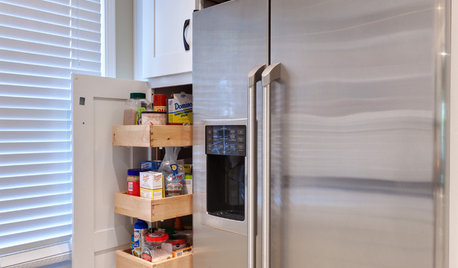
KITCHEN STORAGEPantry Placement: How to Find the Sweet Spot for Food Storage
Maybe it's a walk-in. Maybe it's cabinets flanking the fridge. We help you figure out the best kitchen pantry type and location for you
Full Story
KITCHEN STORAGESmart Storage Ideas for Organizing Food Containers
Dividers, rollouts and corner systems can help corral containers and lids and maximize kitchen cabinet space
Full Story
KITCHEN DESIGNDeliciously Simple: Food Photographer Warms Up a Rental Kitchen
See how a San Francisco cook and blogger makes her small kitchen shine
Full Story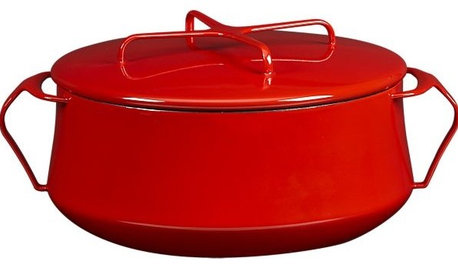
PRODUCT PICKSGuest Picks: Oven-to-Table Food Service
Serving food in the same dish it was cooked in means more time with guests and less time cleaning up
Full Story

KITCHEN DESIGNHow to Waste Less Food
Here are 9 relatively painless ways to throw away less food and stretch your grocery dollars
Full Story
FARM YOUR YARDHello, Honey: Beekeeping Anywhere for Fun, Food and Good Deeds
We need pollinators, and they increasingly need us too. Here, why and how to be a bee friend
Full Story
HOLIDAYSShow Us Your Party-Time Food and Drink Station
Entertaining season is upon us, and we want to see photos of how you keep guests refreshed
Full Story
HOUSEKEEPING9 Kitchen Organizing Tips to Help You Waste Less Food
Follow these simple steps to maximize your budget and turn your good intentions into good habits
Full Story
KITCHEN DESIGNWorld of Design: Favorite Recipes From Food Lovers Around the Globe
Travel with your tastebuds and experience for yourself these international foodies' favorite dishes
Full Story



annie1992