

Standing Rib roast freeze or age?
9 years ago
Featured Answer
Sort by:Oldest
Comments (6)
 9 years ago
Related Discussions
How do you cook your ribs?
Comments (19)Cookie: I beg to differ and say, boiling doesn't remove the Flavor. I have cooked Ribs all the other ways , even out Hunting on an open fire. and this is one of my favorite ways. Everyone loves them. We are not near a Sues or Roadhouse or I would be buying them. If you think you'd like to try them here is the reciope. I've had good feedback from some of the members on the CF LouÂs Broiled Spare Ribs and Finger Licking Good , Sauce I use Country Style or Sizzlers , cut a little thicker than ½ inch For about 3 ½ lb. of meat. Put a pot of water to boil, on the range top, with just enough water To cover the Ribs. Add: 1/3 teaspoon of Old Bay Seasoning , Garlic Powder and Onion Powder. An Italian pinch of Ground Cloves , Basil and Oregano 1/4 Teaspoon of Black Pepper 2 Bay leaves Simmer for about 35 minutes If IÂm going to make Spaghetti Sauce later, IÂll save this stock to thin the Tomatoes and Puree Meanwhile, put in a small bowl : 1/2 cup of Bullseye or Krafts Original Barbecue Sauce 1/2 cup of Ketsup 1/2 teaspoon of Mustard ¼ teaspoon of Old Bay Seasoning 1/3 Teaspoon of Garlic Powder, Onion Powder An Italian pinch of Cloves , Basil and Oregano Black Pepper - to taste. 2 tablespoons of Brown Sugar and Maple or Pancake Syrup 2 Heaping tablespoons of Grape Jelly and Strawberry Jam Smooth out the Jelly and Jam with a fork and mix well. This may sound like overpowering sweetness but it is not. It is a Sweet and Sour taste. I use a 9x 13 SS pan and lay some Sauce on the bottom. Then I lay in the simmered Spare Ribs and spoon the Sauce on them. If there is some sauce left over , save it for basting when the ribs are almost done. I cook them in an electric range Broiler, set on Low, Placed on a shelf about 8 inches below the burner. They will cook in about 25 minutes. Test after 20 minutes Ummmmmmmeemm Gooooooooood !!!!!! Not a Good Photo...See MoreUses for leftover prime rib?
Comments (35)I didn't think earlier, but this is an excellent dish for using up cooked meats. It calls for beef or lamb, but I have made it with roast pork or chicken as well and it is delicious. Lamb or Beef Jhal Fraizi -from, "Foolproof Indian Cooking," by Madhur Jaffrey-with slight changes and notes of my own. 350 g (12 oz) cooked, boneless roast lamb or beef 3 T olive oil 1/4 t cumin seeds 1/4 t brown mustard seeds** 8 fenugreek seeds*** 100 g (1 medium) green bell pepper, cut into strips. 1-2 hot green chilies (such as serranos), cut into long, thin slivers. (****Ms. Jaffrey says not to remove the seeds, but if you've a tender mouth, I would scrape the seeds & pith out to cool the dish down.) 150 g (1 medium) onion, cut into half rings, similar in size to the peppers. 1 t Worcestershire sauce 1 t ground cumin 1 t ground coriander 1/4 t ground turmeric 3/4 t salt Freshly ground black pepper to taste. Julienne the cooked meats in 1/4 to 1/2 inch strips. Heat the oil over a medium high heat until quite hot, then add the cumin, mustard and fenugreek seeds. The mustard seeds will begin to pop, when they do, add the bell pepper, onion, and chilies. Stir fry until the onions & peppers are wilted, and perhaps beginning to brown a bit (but not much) and add the meat and other seasonings. Heat through. ****************************************************** This is very good with some plain rice and a side of plain yogurt or a yogurt raita of some kind as a cooling foil to the spiciness of the dish. A simple raita can be made by mixing half a cup of plain yogurt with a couple of tablespoons of grated, squeezed (to remove excess liquid) cucumber and a teaspoon or so of minced mint or cilantro, adding a bit of salt if you like. **Plain, yellow mustard seeds will work as well, if you've got some on hand already and don't want to search out and buy brown just for this recipe. ***It doesn't sound like much, but fenugreek is quite potent, and the flavor is distinct. Fenugreek also keeps a long, long time, much longer than most spices. There really isn't anything I can think of that would be similar, but if you need to do without it, something slightly sweet but pungent would work--maybe some minced cilantro or mint, added at the last minute....See MoreLOOKING for: Leftover Rib Bones From Prime Rib
Comments (20)Been wondering where I got the idea that the short rib was somehow part of the prime rib, and found my answer when speaking to the butcher the other day. I was ordering short ribs for a dinner party I am having on Saturday, and he said he'd take them from the rib instead of the chuck. Hmmm, so I asked him to explain. He said that the prime rib bone extends another 12 inches beyond what we normally see when getting a bone-in roast. At the end of that is where the short ribs are located, and are a little less fatty than thse from the chuck. So, thankfully, I cleared up why I connected prime rib to short ribs. Whew, that feels better now. Sue...See Morebone in rib eye roast, a mess
Comments (34)I made popovers for years...it was my make a bad meal better trick...easy...put it into the blender and then into custard cups and into the oven... Then one day they didn't pop....and I couldn't make them for years. Then someone suggested adding an extra egg white....and I did and haven't had a failure since. I think the eggs Iw as buying got smaller! I never preheat the pans and I sometimes let the batter rest....sometimes not....never in the refrig for 3 hours....and in the past 30 years they ALWAYS pop! I think ti's about the eggs. I 1/4 cups of spooned AP f;lour 1 1/4 cups milk Bit of salt and herbs if desired 4 eggs and an extra white....grease pans...but I don't put anye xtra grease in the pans, heat oven to 450, pour batter into popover pans and into the oven for 18 to 20 minutes, turn oven down to 325 witho0ut opening the door and bake another 15 to 20 minutes....See More- 9 years ago
 9 years ago
 9 years ago
 9 years ago
Related Stories
KITCHEN DESIGNA Cook’s 6 Tips for Buying Kitchen Appliances
An avid home chef answers tricky questions about choosing the right oven, stovetop, vent hood and more
Full Story
DREAM SPACESHouzz Tour: Hugging the Rocky Cliffs in Big Sur
Cascading down a rugged site and generously encased in glass, this California home takes full advantage of its ocean views
Full Story
GREEN BUILDINGHouzz Tour: Going Completely Off the Grid in Nova Scotia
Powered by sunshine and built with salvaged materials, this Canadian home is an experiment for green building practices
Full Story
MOST POPULARThe Not Naturally Organized Parent's Guide to the Holidays
This year get real about what you can and cannot handle, and remember the joys of spending time with the ones you love
Full Story
BEDROOMSRest Easy: Myth Busting for Bedding and Mattresses
We put to bed some of the misconceptions that may be keeping you from a good night's sleep
Full Story
HOLIDAYSHouzz Call: Share Your Personal Holiday Traditions
What winter rituals mean the most to you and yours? Post your stories and pictures
Full Story
MOST POPULARThanksgiving Tales: When the Turkey Tanks
Houzz readers prove adept at snatching victory from the jaws of entertaining defeat
Full Story
OUTDOOR KITCHENSYour Guide to Grills and More for Great Outdoor Cooking
Learn the pros and cons of gas versus charcoal grills, and about neat add-ons that let you do more
Full Story
ENTERTAINING8 Stress-Busting Tips for Hosting Small Gatherings
Make entertaining easy with these ideas for casual get-togethers
Full Story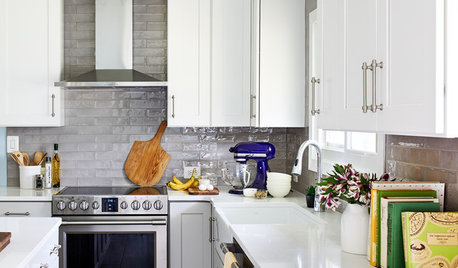
KITCHEN DESIGNGet Organized for Holiday Baking
Before you crack that first egg, establish a game plan for stress-free success
Full StorySponsored

annie1992