

Speaking of Shampoo (or not)
10 years ago
Featured Answer
Sort by:Oldest
Comments (12)
Related Discussions
Show me your soap/shampoo niches!
Comments (18)Here is a picture of a Stainless Shelf we built a Shampoo niche for. Notice in my picture and Bills above that the niches fit right into a tile layout. Exactly. Another one; This is not an accident and it shows forethought and helps to make a bathroom Sparkle. Your tile guy? IS he just a tile guy? Can he adjust the framing for you? Should you settle on out of square or no pitch? Their is lost to learn to this process. Bill and I make it look easy. But we both run crews. We have all the toys. All the training. Most don't. Ask this of your tile guy before he prices the job. Bill might do this just because he is picky and know how easy it is. Most are lazy. The extra 20 minutes is down time. Understand the scope of work and you must sign off on the tile lay out. Don't have a chat on Tuesday with your GC and then complain on Sunday it is not perfect. This needs to be decided in the beginning. Do you think Bill didn't know the lay out before he changed the studs? No chance. Learn more about every step. Dig deeper. Who's advice are you following? JW...See Morespeaking of soap....
Comments (12)I used to take them but not anymore. I don't like bar soap and they're so small you're starting with a sliver. Last month when I stayed a few days I used one of the bars of soap and left the others on the counter so they could reuse them. I did use the shampoos though. I like the small sizes and reuse the bottles. One place had shampoo in the little packets, similar to ketchup packets. I often wondered how much those things cost. I imagine the packet is much cheaper than a bottle, especially considering the volume they must use but I don't really think they're necessary. I pack a grooming kit with thinks I like and use that. I like body wash, not bar soap. I like liquid hand soap instead of bar soap. I now pack a small pump bottle of hand soap so I won't even use one bar in the places. Maybe I can ask for an extra couple coffee packets instead of the soaps! To me, a lot of these things are like the "food" on airliners. Why bother? I did see a thing on some show about motels recycling the soaps. Was interesting. I just thought by going to liquid they could eliminate a lot of that waste anyway. Essentially 2 or more (motel sized) bars of soap are used on each stay and sometimes each night. People steal them so they put out more, sometimes. As I recall they recycled the soaps and sent them to Africa or something. I don't remember the details....See MoreSpeaking of itchy skin
Comments (44)Pat, After MUCH trial and error over the years I ended up with the following, which works very well for me. In the spot intended for fabric softener I put about a tablespoon of Citric Acid Powder. Then where detergent goes I put about a tablespoon of STPP Powder, the same amount of Borax, and about 1-1/2 tablespoons of Charlies Powder. Except for the Borax, I buy everything on the internet, usually from Amazon or Ebay. I have a front loader, so the amounts may be different for a top loading machine. Before I found my magic mix, I tried all the name brand and natural brand Free of fragrances, etc. versions. None worked as well in my extra hard water and with my extra cranky skin, so I stick with my own mixture. I hope this helps....See MoreSpeaking of dogs, how often do you bath yours?
Comments (50)I second use of the rubber hand brushes. Labs have a thick undercoat that is always shedding but even more so at the change of seasons. When weather allows, I use it daily on her. It really helps to keep her coat conditioned and she loves the “massage” brushing with it gives . Kong has one that is the perfect size for smaller hands and reasonably priced (5-7 bucks on Amazon) ETA: I know that diet has been talked about a lot here but a dogs smell and the condition of their coat can be reflective of their diet. If you change your dogs food from one with a lot of fillers in it to one that doesn’t have fillers (and it doesn’t have to be 100% grain free), within a very short period of time you will feel a difference in your dogs coat. The same thing goes with the smell. Dogs are notorious for getting yeast infections in their ears, between their toes and anywhere else that has folds of skin. There are yeast spores outside that could be the culprit or it could be the brewers yeast a lot of foods have. Either way, the Vet can figure it out with an allergy test and provide a fix for it. Our dog was suffering from frequent ear infections and itchy feet so we got her tested and sure enough, she is allergic to yeast and several mites including grain mites. My point is is that even though some dog breeds may need to be bathed more often than others, if your bathing because your dog smells, I would urge you to speak with your vet about it, because it could be something with an easy fix. Dogs need the oils that build on their skin for lots of reasons. Over washing will only cause their skin to dry out more and itch more....See More- 10 years agolast modified: 10 years ago


Related Stories
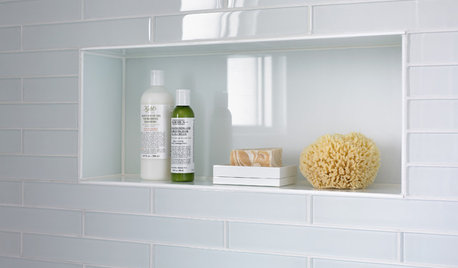
SHOWERSTurn Your Shower Niche Into a Design Star
Clear glass surrounds have raised the design bar for details such as shampoo and soap shelves. Here are 4 standouts
Full Story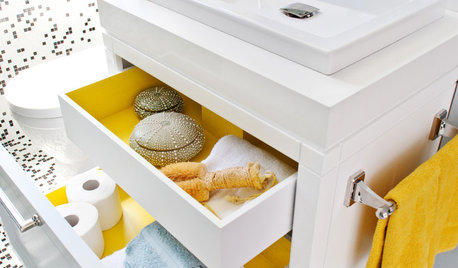
BATHROOM DESIGNGet It Done: Organize the Bathroom for Well-Earned Bliss
You deserve the dreamy serenity of cleared countertops, neatly arranged drawers and streamlined bathroom storage
Full Story
HOLIDAYSSet the Scene for a Stress-Free Holiday Visit
Put your guests at ease and take the pressure off hosting by prepping your space with psychology in mind
Full Story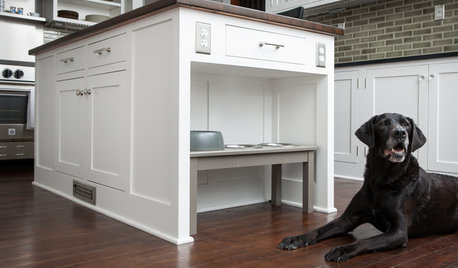
KITCHEN DESIGNPet-Friendly Design: Making Room for the Dog Dish
In a dog’s life, you eat on the floor. Except in kitchens like these, where pets are factored into the design
Full Story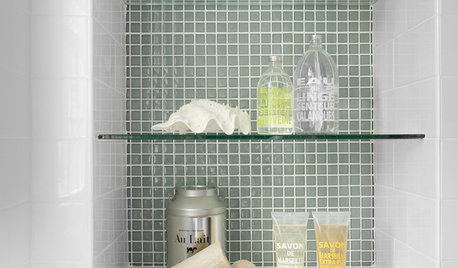
BATHROOM DESIGNHow to Pick a Shower Niche That's Not Stuck in a Rut
Forget "standard." When you're designing a niche, the shelves and spacing have to work for your individual needs
Full Story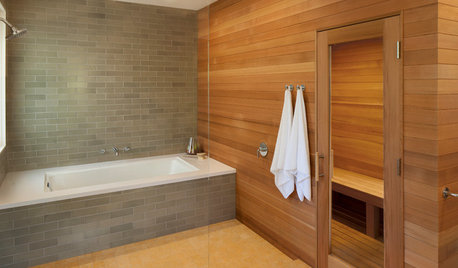
BATHROOM DESIGN18 Dream Items to Punch Up a Master-Bath Wish List
A designer shared features she'd love to include in her own bathroom remodel. Houzz readers responded with their top amenities. Take a look
Full Story
DECLUTTERING10 Types of Clutter to Toss Today
Clear the decks and give the heave-ho to these unneeded items
Full Story
REMODELING GUIDES8 Lessons on Renovating a House from Someone Who's Living It
So you think DIY remodeling is going to be fun? Here is one homeowner's list of what you may be getting yourself into
Full Story
HOUSEKEEPING12 Cleaning Projects That Go a Little Deeper — Naturally
Eucalyptus oil for germy door handles. Baking soda for oven grime. Here are nontoxic solutions for often-overlooked cleaning jobs
Full Story
BATHROOM DESIGN18 Knockout Ideas for Wooden Floor Showers
Look to an often-forgotten material choice for shower floors that radiate beauty in almost any style bathroom
Full StorySponsored

Texas_Gem