

Trouble already?
10 years ago
Featured Answer
Sort by:Oldest
Comments (62)
 10 years agolast modified: 10 years ago
Related Discussions
New Gardenia -- Trouble Already
Comments (95)Ok, I have read the infamous suicidal gardenias thread, then I found these instructions about gardenia growing, and so far they have proved good. So I translated them and give them to you, hoping to make growing a gardenia a pleasure and not an horrible frustration exercise. Good Luck! GARDENIA JASMINOIDES POT: Put your gardenia jasminoides in a clay pot, LARGE and DEEP (the bigger the better, it will keep the right moisture at the roots, even temperature and the drainage will be perfect), with soil for acid-loving plants. In spring I spread on the ground a slow release fertilizer that I use for all plants or, alternatively, liquid manure 20-20.20 when watering every week in summer. LIGHT: As soon as temperatures permit and it has already begun to vegetate, I place the pot on the terrace where it�s got the sun directly from dawn until about 2,30pm. Light is what makes it flower, so FULL SUN. In shadow it flowered a lot less. WATERING: Water with tap water, often straight from the tap to the plant. Every three / five years I change the majority of soil. In winter, when the minimum temperatures are about 3 / 5 Celsius degrees, I move it to shelter in a small courtyard. Even if the light is low, the water does not ever freeze, it�s watered with rain directly from the sky and takes even the snow .... but it melts immediately. Here are THREE MAIN SIGNALS that the plant gives me and that I understood. 1. the leaves have BROWN TIPS with yellow halo slowly, slowly advancing up the leaf to dry it completely. The plant has the SOIL TOO WET. 2. the LEAVS, the inner ones, old and attached to or near the main stem, become YELLOW, really yellow, as in a forest in autumn. The plant is suffering from the SOIL TOO DRY. As a result, 1., Aerates the soil, rather difficult task because I find the roots pretty much just under the surface. 2., Water deeply. Once done the above steps, clean the whole plant by removing the "messenger" leaves. This allows me to keep it better under control later. 3, sometimes, when new leaves are born, some grow all twisted and deformed. No problem I completely cut away the leaf with my nail: it will grow many more beautiful, fit and perky. HUMIDITY: I do NOT ever spray it, no more than a shower, but very rarely. NO saucer with wet expanded clay to increase moisture. PESTS: In all these years, I've never done preventive pesticide treatments and I have never pruned anything! Except for a year that I had to decimate it for being infested with aphids all summer that have all malformed leaves growth in that period. The next year I have drunk it of "Confidor" (a systemic pesticide). This year, no nothing! If the plant is generally in good health, leaf texture, gloss of the same, etc. .--- do NOT worry for a few yellow leaves or a few brown leaves or the loss of some leaf: it�s a natural replacement of old leaves, normal, especially in spring. The action of insecticide and fungicide should be performed only after ascertaining the cause and intervene only when needed and never in advance. RAIN: When there is a fine persistent rain let�s take it all. The soil will get rid of the salts accumulated during cultivation. When to replace the pot 1 - The first sign that the plant sends us is the MORE FREQUENT WATERING. 2 - The second signal that it tells us when it appears to be running out a "PERMANENT" iron CHLOROSIS and the new LEAVES appear "SMALL". 3 � We have lots of "distorted" buds growing. In this case they will open all the same, but it causes several of them to dry (this happens even when the plant bears a lot of them, because it hasn�t the strength to take them to flowering). 4 - Another thing that determines that it�s time to change the pot is NO NEW GROWTH on the branches at the nodes where the leaves have fallen for the natural turnover. If the plant has chlorotic leaves on the leaves of last year use iron Sequestrene, is more direct in addressing the issue, within three weeks you will have the green leaves. If, however, is the natural replacement of the leaves, which takes place this season, the leaves are usually more clear. SOOTY MOLD: The gardenias aging tend to produce twigs scantily dressed with smaller leaves and become susceptible to the coupler cochineal / sooty mold. The remedy is a drastic rejuvenation: in late winter (March), take out the plant from its pot and greatly reduce the roots by removing about 5 cm. of soil on all the perimeter of the entire root ball, trying to free the roots from the old soil, do not worry if you break the roots, do it with your hands because that way is simpler and faster, nothing dangerous happens. It is very important, to avoid problems in a successful repotting to expose more roots as possible: in this way, once repotted, the gardenia roots will find new soil and will start immediately. It is essential to treat the plant well, leave it to settle and, at the appearance of new growth, begin a proper fertilization plan. At the same time the plant is cut back drastically and without fear then repot it in a new acidic soil plus, depending on the size of the pot, one or two or three handfuls of manure at the bottom plus a good drainage layer at the bottom. In a year the plant will resume great. Is it okay to start with beef blood but no more than two or three times, because using it more helps the vegetation at the expense of flowering and homogeneous growth. After repotting from the bare branches will sprout new growth, you will lose the first flowering, but if you hurry you�ll have the one before it goes dormant. To make it grow more compact, cut over a couple of leaves below the withered flower. The withered flower is cut at the base, near the branch, thus doubling the branch, so after it you�ll have two branches that grow in width instead of one. The CUT MUST be done PERPENDICULAR to the branch so that the cut surface is smaller and heals more quickly with less risk of fungi or bacteria infection. TheFALLING BUDS in a winter housed plant is a normal thing thanks to the warmth: the heat would be good but the light isn�t enough, so the plant cannot keep up the buds. According to the plant strength, it has buds or causes them to fall throughout the year. PRUNING of Gardenia jasminoides It is a plant that doesn�t need pruning: when removing the whitered flowers the plant doubles the branch. With the right fertilization the plant does not empty or becomes straggly (it keeps being bushy) even after many years of cultivation in pots. Of course it needs to be well nourished so that it can carry on * all * of the vegetation and doesn�t not have to let go buds or leaves. PROPAGATION. just cut an apex, remove the leaves along the branch to be buried directly in soil for acid-loving plants. Water thoroughly, cover the cuttings with a well placed in the ground half cut plastic bottle. Better to use the part with the cap, because if it creates too much condensation inside the bottle, opening the cap it decreases, and it can be close after it. Occasionally check that the substrate is not too dry. In this case water it again. By following these few rules cuttings root quickly. So easy that I have done it several times in winter, take cuttings, prepared as above, at home in a good light and let it take care of itself. CHLOROSIS: If the plant is subject to it, no point in using Sequestrene, the plant is telling you that the soil is depleted and must be replaced almost completely. By doing so for several years you will never see more chlorosis on the plant just watered with tap water, until the next soil exhaustion.> This is the link (with pics) of the old lady author of the directions above. her nickname is pierabg, anf if you search for gardenia jasminoides pierabg you'll see her incredible bush, in a pot from almost twenty years in a region of Italy that has cold winters and snow. Hope you'll find it as good as I did. http://freeforumzone.leonardo.it/lofi/Gardenia-jasminoides/D5118047.html Good Gardenia Gardening! From Italy with love, Mimma...See MoreNew and already in trouble!
Comments (5)If these were florists type plants, chances are they aren't all that old and may not have been as rootbound as sometimes found with nursery stock. You would be a better judge since you looked at them whether you need to do more to loosen roots - if you could see some potting medium and not a densely tight mass of circling roots only, and you did loosen the roots you could see a little they may be fine without lifting them again. If they were tightly pot bound, you don't need to be afraid of breaking roots, you can even take a knife and cut slashes in the outside of the root mass - will encourage new growth that will reach out and establish into surrounding soil. If you are in a mild winter area you won't necessarily lose them because they were florists plants, but be aware that type has been on a strict regime of growth hormones, fertilizers, closely monitored temps and lighting. They may take some time to settle in and get used to the real world of an outside garden...be sure to pay close attention to water as Luis has suggested. New to gardening, in a new country where your language is limited and most likely offered unfamiliar products must be a challenge - Be sure to check in with questions here and hopefully we can help you with the transition. Just be sure to mention where you are so you get appropriate answers :)...See More1st worm bin and already in trouble. Help?
Comments (6)dawncols: when adding shredded paper/cardboard, don't mix it in because it will heat up. I would put some at one side of the bottom of the bin. Put something underneath the bin to tilt it to help and you can keep adding if you notice they get soggy or remove it (however, you might remove cocoons too). You could remove the big chunks of food but again, there might be cocoons there. Then add a thick layer of shredded newspaper on top of the entire stuff to absorb moisture and keep the stink in. BTW, are there any holes at the bottom of the bin? Or, if you are going to follow what jasdip did with hers, when throwing all the rest out, find an empty flower pot and put it in there instead and put it out in the garden. Who knows, you might get new worms or hatching cocoons that you can pick and move inside as a bonus. I pretty sure what happened to your bin was too much food for the amount of worms there are which in turn caused too much moisture, and not enough oxygen. Good luck. Otis...See Morejust starting and already having trouble...
Comments (11)Oh dear, I hate to hear that you feel you have to decide on a plan "this week." Getting a design you love is absolutely vital to ending up with a home you love. Has your designer been out to visit your "piece of heaven" with you? He or she needs to SEE the lot through your eyes. If you bought it because of the 3 beautiful trees on the northeast corner, let him know. Otherwise, how can he possibly know that you won't be happy with any design that doesn't give you a view of those trees or that you will positively hate any design that requires that those trees be cut down! If your lot is in a subdivision with an architectural review committee that requires homes to be of a certain style, your designer needs to know that upfront as well. On a visit to the site, the designer should also be able to tell you the direction from which direction the sun will be strongest. Then, depending on whether you're in a hot or cold climate, he should advise you to shade that side as much as possible or orient the house so that it has lots of windows in that direction to increase solar warming. If you have acreage, your designer should help you select the best site(s) to place the house taking into account things like drainage, length of the driveway, views, trees, other houses that are nearby, etc. If there is more than one good site, he should point out the advantages/disadvantages of each. Once that is done, a good designer SHOULD be taking into account all the things you have shared with him about what you love and hate about pictures of other houses and how YOUR family will live in the house. A custom home should be designed to meet the dreams and desires of the family that is building it. For one family that might mean cozy little rooms with alcoves and low ceilings that invite curling up with a good book. For others it might mean expansive open areas where they can easily entertain 50 people at a time. Some people dream of having an old fashioned wrap around porch with front porch swing, others prefer a clean modern look. Some people love arches. Others consider them pretentious in the extreme. Some couples want/need the master bath toilet separated from the master bedroom so that an early riser doesn't wake the spouse who needs to sleep later. Other couples want the toilet very close by for middle of the night needs. Some families eat every meal gathered around the family table, others eat in front of the TV. Some families would love a covered outdoor room. For others, such a room would just be a place for junk to collect. Your designer SHOULD be listening to you about these kinds of things and his design should reflect YOUR desires. If it doesn't, it sounds to me like you need a different designer. Please don't let yourself be rushed into building a design that you don't love. Why spend custom house money for a "tract" home you don't really like? Home and building prices are falling right now anyway (although interest rates may continue to rise). Rather than jumping into building a home you don't love, I urge you to take the time to design one that takes your breath away when you look at it. Otherwise, what's the point? If you really just need a house, I'm sure you can find something already built that has the requisite numbers of rooms to buy. Good luck to you...See More- 10 years ago
 10 years ago
 10 years agolast modified: 10 years ago
- 10 years ago
- 10 years ago
- 10 years ago
- 10 years ago
- 10 years ago
- 10 years ago
 10 years ago
 10 years ago
- 10 years ago
- 10 years ago
- 10 years agolast modified: 10 years ago
- 10 years ago
- 10 years ago
- 10 years ago
- 10 years ago
- 10 years ago
- 10 years ago
- 10 years ago
- 10 years ago
- 10 years ago
 10 years agolast modified: 10 years ago
- 10 years ago
- 10 years ago
- 10 years ago
 10 years ago
- 10 years agolast modified: 10 years ago
 10 years ago
- 10 years ago
- 10 years ago
 10 years ago
- 10 years ago
 10 years agolast modified: 10 years ago


Related Stories
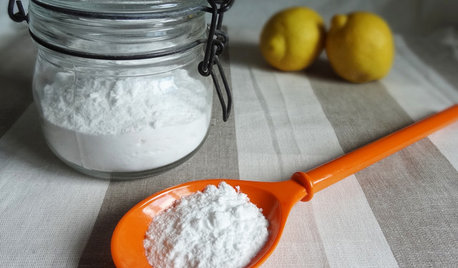
HOUSEKEEPINGBaking Soda: The Amazing All-Natural Cleanser You Already Own
Battle grime, banish odors and freshen clothes with this common nontoxic cupboard staple
Full Story
HOUSEKEEPINGWhat's That Sound? 9 Home Noises and How to Fix Them
Bumps and thumps might be driving you crazy, but they also might mean big trouble. We give you the lowdown and which pro to call for help
Full Story
HOME TECHBetter, Smarter Smoke Detectors Push All the Right Buttons
No more bashing in that smoke detector with a broomstick at 3 a.m. — if you haven't already yanked it out. Welcome the new, civilized breed
Full Story
BUDGET DECORATINGBudget Decorator: A Most Affordable Gallery Wall
Need to fill a wall on the cheap? See how to make use of something pretty cool you may already have
Full Story
LIFEThe Wisdom of Kenny Rogers, for Declutterers
No need to gamble on paring-down strategies when the country music legend has already dealt out some winning advice
Full Story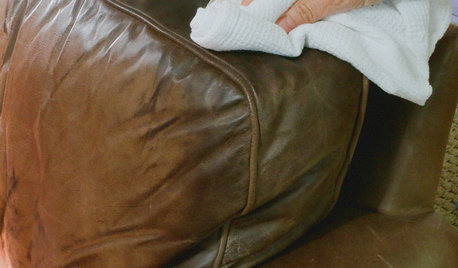
Common Household Cleansers for Leather Upholstery
Clean and condition your leather sofa, chairs, handbags and more with ingredients already in your cabinets
Full Story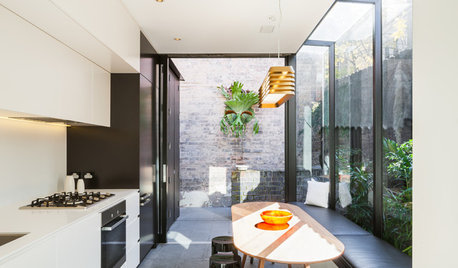
FURNITUREWhich Dining Table Shape Should You Choose?
Rectangular, oval, round or square: Here are ways to choose your dining table shape (or make the most of the one you already have)
Full Story
BASEMENTSDesign Workshop: Is It Time to Let Basements Become Extinct?
Costly and often unnecessary, basements may become obsolete — if they aren’t already. Here are responses to every reason to keep them around
Full Story
GARDENING GUIDESThe Poop Scoop: Enrich Your Soil With Good Old Manure
Get over the ick factor already — this natural super-ingredient for soil has so many benefits, you'll wonder why you ever went chemical
Full Story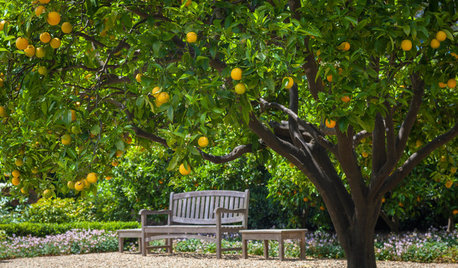
EDIBLE GARDENSHow to Grow 10 Favorite Fruit Trees at Home
Plant a mini orchard in fall, winter or early spring to enjoy fresh-off-the-tree fruit the following year
Full Story

Embothrium