

A year of eating unprocessed foods
10 years ago
last modified: 10 years ago
Sort by:Oldest
Comments (2)
Related Stories
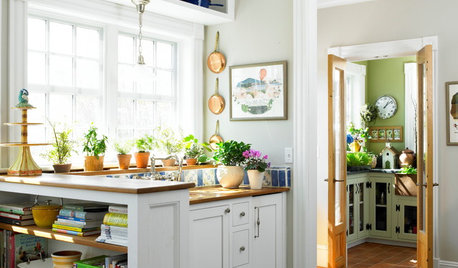
HEALTHY HOME12 Ways to Set Up Your Kitchen for Healthy Eating
Making smart food choices is easier when your kitchen is part of your support team
Full Story
EVENTSEnjoy Plantings, Eat Bugs and Learn at the Australian Garden Show
Indulge your senses at this four-day celebration of gardening, food and more in Sydney — and don't forget to try the crickets
Full Story
GARDENING GUIDES15 Ideas to Try in Your Garden This Year
These gardening stories were tops among Houzz readers. Which ideas might you try this year?
Full Story
KITCHEN DESIGNNew Year's Resolutions for Your Kitchen and You
11 ways your kitchen can help you meet your goals for the coming year
Full Story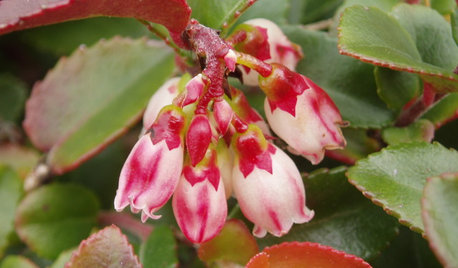
GARDENING GUIDESGreat Design Plant: Evergreen Huckleberry Appeals All Year
Spring flowers and summer berries are only half the story with Vaccinium ovatum, a versatile Pacific Northwest native plant
Full Story
HOLIDAYS8 Ideas for Welcoming the New Year
Host a champagne gathering, enjoy a family game night, take time for reflection or have a festive brunch
Full Story
DECLUTTERINGYour Clutter-Clearing Plan for the New Year
Tackle these tasks month by month for a decluttering strategy that will really pay off
Full Story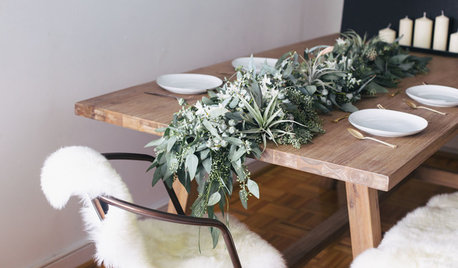
DIY PROJECTSDIY: Freshen Up for the New Year With a Eucalyptus Table Garland
Eucalyptus leaves, white blossoms and air plants combine in a gorgeous, long-lasting arrangement for your table or buffet
Full Story
KITCHEN OF THE WEEKKitchen of the Week: 27 Years in the Making for New Everything
A smarter floor plan and updated finishes help create an efficient and stylish kitchen for a couple with grown children
Full Story
LIFE10 Beautifully Simple Ways to Go Greener in the New Year
You may just find more green in your wallet along the way
Full Story
Claire Buoyant
plllog
Related Discussions
Cat eating the dog's food!
Q
kitten also eating Hills K/D food
Q
Processed vs. Unprocessed Foods and Weight
Q
What happens when deer eat hosta leaves year after year?
Q