

What do you feed your (wild) birds?
11 years ago
Featured Answer
Sort by:Oldest
Comments (34)
 11 years ago
 11 years ago
Related Discussions
What birds do you get in your garden and
Comments (34)We feed birds year round so have quite a few visit our garden throughout the year some of the birds that come to mind are... Pileated Woodpecker, Downy Woodpecker and this year for the first time Hairy Woodpecker. Bushtits come in flocks to the suet feeder. Chickadees Both Rufus and Annas Humingbirds Several kinds of Sparrows Towhees Robins Juncos California Quail, although they have been in the neighborhood forever they now come into our yard several times a day, sit on our roof early evening looking in a window, drives Percy are house kitty nuts. Goldfinches only come into the garden if we put a feeder out by our back fence. Some years we have Pine Siskins others we don't. House Finches which nest in the Boston Ivy on our chimney. Most Januarys we have Varied Thrush visit for awhile. Flickers We used to have both the Violet Green and Tree Swallows nest in our garden these and the Barn Swallows we don't see any more. I'm sure I've forgotten some of the birds we've seen or have at the feeders but can't think of them at the moment....See MoreWhat do you do for your Spring cleanup? Feed? Preen? Mulch?
Comments (9)Glad you've joined us, gayled, welcome to the NE forum! My DH and I are retired. We work together in the gardens... our spring techniques are pretty simple. 1. Clean up dead leaves and foliage and weed underneath plants... but not as early as we'd like this year. Probably not until April .... if we get more snow this week. 2. One of our earliest tasks every spring.... amend the soil. I think that's the best thing you can do for the gardens. We get free compost from our town.... dig it and take it. We've done this for the last eight years and it's really helped improve the gardens. While it's not exactly "organic" because the compost is made from garden waste that people bag and the city picks up, "free" makes it worthwhile. 3. We like to use bark mulch and I use cocoa mulch in a few special areas, but this has gotten expensive as our gardens have grown. We've found that the compost works like mulch by breaking down over the season. So we mulch every other year. 3. Fertilize? No, not even our roses. I think good soil is better than chemical applications. I learned about composting from my mother who was a wonderful gardener. Mom collected coffee grounds in one container (for her Mt. Laurels and rhododendrons) and egg shells & other wastes that she'd spread around her flower beds. Over 40 years of this gave her a yard with deep, dark soil and lots of worms. 4. My DH put in an irrigation system several years ago and he checks this early in the spring. We have a long yard with gardens down one side and around a garden shed. The days of dragging the hose around are gone for us. Molie...See Morefeeding wild birds without causing weeds
Comments (6)There is no surefire way to keep birdseed from sprouting. Some people sterilize bird seed by heating it on a cookie sheet in a 300 degree oven for 30 minutes, but that is a lot of work to do on a consistent basis. Some people rake up the spilled seed once or twice a week with a Shop Vac. You can buy the sunflower chips (shelled, broken sunflower seeds) and they won't sprout because they have been "damaged" by being broken. They are more expensive than mixed birdseed, but there is no waste. You can rake the area under the feeder once or twice a week to break up the sprouts before they are well rooted. Sometimes ground-feeding birds eat the seed spilled onto the ground before it sprouts--it just depends on how many ground-feeding birds you have hanging around your yard. At our house, birdseed and hen scratch don't get a chance to sprout because the doves (and cottontail rabbits) eat it all. There are many plants you can incorporate into your plantings to attract birds. Many of them will attract butterflies and hummingbirds as well. TREES: Trees like oaks, cedars, elms and hackberrie provide food, cover and nesting sites for birds. NATIVE PLANTS are the ones that most attract birds since these are plants they already use as a food source. These include trees, shrubs and vines like junipers, yaupon hollies, possumhaw hollies, viburnums, Mexican plums, rough-leaf dogwood, elderberries, sumac, Virginia creeper vine and red mulberry. Pretty much any tree or shrub that produces berries or other small fruit (like crabapples or persimmons) will attract birds. Blackberry and dewberry brambles attract birds, as do fruit-bearing trees like cherries, peaches and plums. To Attract Hummingbirds: You can attract hummingbirds using hummingbird feeders, but you have to change the nectar about once every three days to keep it from fermenting and harming the birds. They also are attracted to plants. Here's some you can plant that they like: Red-flowered yucca (Hesperaloe parviflora) American Cross-vine (Bignonia capreolata) Trumpet Creeper (Campsis radicans) Desert Willow (Chilopsis linearis) Cardinal Flower (Lobelia cardinalis) Coral Honeysuckle (Lonicera sempervirens) Red-flowered Morning Glory (Ipomoea sp.)(annual) Cypress Vube (Ipomoea quamoclit) (annual) Purple Horsemint (Monarda citriodora) Wild Bergamont (Monarda fistulosa) Spotted Beebalm (Mondarda punctuata) Tropical Sage (Salvia coccinia) (usually annual, may reseed)(aka Texas Hummingbird Sage) Autumn Sage (Salvia greggii) False Indigo (Amorpha fruticosa) Heart-leaf Hibiscus (Hibiscus cardiophyllus) Scarlet Hibiscus (Hibiscus coccineus) Standing Cypress (Ipomopsis rubra) Drummmon's Phlox (Phlox drummondii) Indian Paintbrush (Castilleja indivisa) (spring wildflower) Lantana (Lantana horrida) Many birds are attracted to composite flowers that provide seeds, including sunflowers, zinnias, Mexican sunflower, purple coneflowers, safflowers, etc. After they bloom, you don't deadhead them if they were planted for the birds. You leave the flowers on the plants so the birds can "harvest" the seeds as they dry. Don't forget to provide some kind of water source for the birds--a birdbath, a mister, a dripper, etc. Different kinds of birdseed attract different birds. To attract goldfinches in the winter months, put out a goldfinch feeder filled with thistle seed. Sometimes you can attract orioles by putting out oranges, orange-flavored nectar or grape jelly. Dawn...See MoreDo you feed the birds?
Comments (29)Yes, I think we feed every single bird and squirrel in our town by the amount of $ we spend on seed, plus bread and peanuts. We have 4 feeders plus a hummingbird feeder and birdbath in our back yard and 5 feeders plus a hummingbird feeder in our front yard, plus two tube feeders and 3 watering dishes/birdbaths. We call our front yard our "Wildlife Entertainment Center". Some of those crazy squirrels we have named: Barny, Metal, Logger, Chewy, Loco and Loco Jr. Soon we will have an influx of redwinged blackbirds that will strip all feeders clean. This happens twice a year. They stay around at least 3 months each time.Our feed bill doubles then. Our hummers have left now to travel further south and won't return until April. Sure miss those little darlings....See More 11 years ago
 11 years ago
- 11 years ago
- 11 years agolast modified: 11 years ago
 11 years ago
- 11 years ago
- 11 years ago
 11 years ago
- 11 years ago
- 11 years ago
 11 years ago
- 11 years ago
- 11 years ago
- 11 years ago
 11 years ago
- 11 years ago
- 11 years ago
- 11 years ago
 11 years agolast modified: 11 years ago
 11 years ago
- 11 years ago
 11 years ago
- 11 years ago
- 11 years ago
- 11 years agolast modified: 11 years ago
- 11 years ago
- 11 years ago
- 11 years ago
- 11 years agolast modified: 11 years ago
 11 years ago
- 11 years agolast modified: 11 years ago

Related Stories
GARDENING GUIDES8 Native Shrubs for Year-Round Bird Feeding
It’s not just about berries. These plants provide insects for birds and seasonal interest for gardeners
Full Story
GARDENING FOR BIRDSFeed the Birds: 6 Plants for Abundant Winter Berries
Be kind to your fair feathered friends during lean food times by planting a shrub or tree loaded with nutritious snacks
Full Story
GARDENING FOR BIRDSWild Birds Transform a Woman’s Garden and Life
How Sharon Sorenson created a wildlife haven and became the Bird Lady of Southern Indiana
Full Story
FLOWERS AND PLANTSPlant Ilex Cassine for a Privacy Screen That Feeds the Birds
Dahoon and its hybrids provide lovely evergreen foliage in southeastern U.S. gardens
Full Story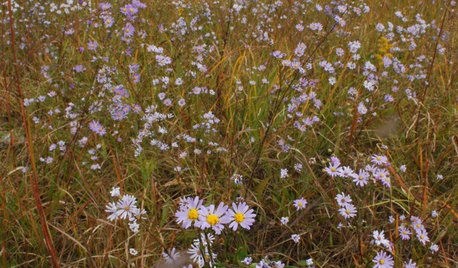
GARDENING GUIDES15 Native Flowers That Feed Native Bees
These perennials offer superfood to hundreds of bees and are gorgeous in their own right
Full Story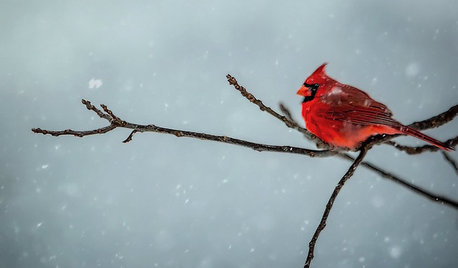
GARDENING GUIDESBackyard Birds: Northern Cardinals in the Snow, and Other Red Birds
Brilliant crimson feathers make these friends stand out in a crowd
Full Story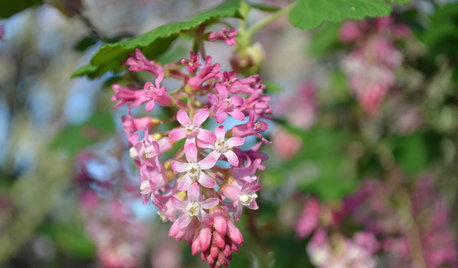
GARDENING GUIDESGreat Design Plant: Feed Wildlife With Flowering Currant
Blossoms and berries make this plant irresistible to birds, bees and other critters — and a treat for the eyes too
Full Story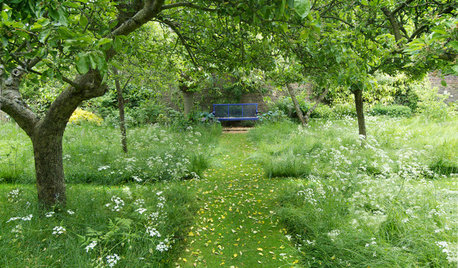
GROUND COVERSGive Your Lawn a Taste of the Wild
Consider the joys of an irregularly trimmed meadow lawn: It’s ecofriendly, visually interesting and still good for romping
Full Story
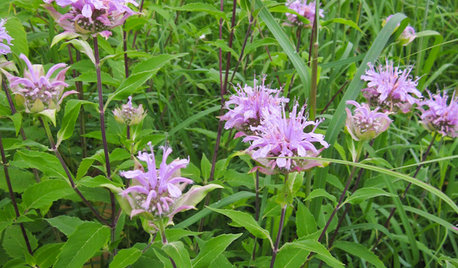
NATIVE PLANTSGreat Design Plant: Wild Bergamot, Friend of Foragers
Nourish butterflies and other winged creatures with the tubular flowers of Monarda fistulosa, a pretty pink native
Full Story

AlisandeOriginal Author