

Do any of you cook for your pets?
17 years ago
Featured Answer
Sort by:Oldest
Comments (27)
 17 years ago
- 17 years ago
Related Discussions
What do you grow for your pets/critters?
Comments (13)singingcrk Angel. well frist one of my horses is Breeze he is in the picture above. He is also blind as a bat at the ripe age of 29. Thus the saying even a blind squirel can find a nut. Breeze shares his pasture with my garden or the other way around. I would only turn himout with a eye on him at all times, but would be out of eye sightwhen was turning the compost pile. That is normallywhen he would hit the goodies. Peas, spinach or what flavorful shallots I had growing. Did I tell you he ate my new gooseberry and current bushes to the ground. Now two things I posted a while ago was on posionous plants site, not a sole picked up on it. you just put in the search either dog or cat or horse or even human and it will pop up what ever is posionous to that animal. Now for horses a great place to even get a idea what they can eat is herbnhorse.com they sell bulk herbs by the lb that are dried, long long list btw. Many flower petals included. I have had horses for over 30 years and not a clue till ws and 2005 they liked tomatoes. I adore tomatoes and sort of went nutty planting way to many seeds. I traded or begged from any one that would trade with me for different tomato seeds. I did alot of research to find good yellow ones and traded for as many as I could. I knew it would work but had not a clue how well. I strongly belive horses loves carrot tops, have yet to see one carrot plant out of all the seeds I planted. See picture of spotted horse aboved, main weeder of carrots, peas and spinach from my property. My property is small and the blind horse has free reign over it. One of my horses will guard anything near his paddock, or eat it and loves to take walks with me to taste test the other tomatoes and found out he liks cosmos flowers /plant and only one type of cukes. I saved the seeds from the cukes he liked and will plant many more of those for him. I do plant alot of grass seeds for these horses and they get bales of hay each day to go with. Have not figured out to to give them some herbs but not whole pots of them yet. I may need to cage in part of my garden to keep one horse and the deer herd out. One day planted out the rest of my containers of ws'ed plants not yet out. Found one horse grazing among them as new treats just planted for him. OUT out of my garden. He hates to get wet so just sounded it by a sprinker hose. Evil grin. that worked to keep him out of my garden most of the summer. How to out fox a blind horse course 101. ML Here is a link that might be useful: Poisonous Plants look up link...See MoreDo You Love To Cook? Cook A Lot? Multiple Cook Family?
Comments (27)This thread, which I didn't catch the first time around, made me think. In general, I cook to eat and feed my family. However, I do enjoy baking for special occasions. I think that if I didn't work outside the home I would cook more...and be more adventurous. But, I work and have a long commute so by the time I get home I have to make fast meals with little time for creativity or major prep work. So, we eat a lot of frozen veggies--as is out of the bag, pre-cooked meats warmed up, pasta, soup, occasionally waffles/pancakes/eggs, potatoes, etc. I.e., for the most part things that I can cook fast. One up side to this is that our meals haven't changed that much w/o a kitchen since we do have a MW, Toaster Oven, and hot plate to cook with! One very big downside to this, though, is that my children are not learning to cook like I did from my mom. Back on topic... After finding this site and reading about zones, I realized that one thing that I really wanted was a baking center. So when my kitchen was being designed I had it in the back of my head that whatever we ended up with had to have an area I could designate my "Baking Zone", preferably near the ovens--with room to roll out dough, spread out cookie sheets, and have cookie cutters spread out all at the same time! The other thing I got from this site was our window...having the window down to the counter (OK, not cooking-related, but a very important design element!) Our very first plan that our KD came up with had input from us...but a very naive/ignorant us! (Before GW...BGW!) Then....I found this site.....and the changes began. Actually, I posted that original plan and asked for help (and also asked my KD to start over w/no island) Many, many people here helped me come up with a plan over several weeks (months?). We finally came up with a plan that has changed little since then. Interestingly, when I took away the island "must have", my KD came up with a plan very similar to what we came up with here. The only 3 differences were (1) no mini peninsula, (2) a 36" pantry cabinet rather than a corner pantry, and (3) no separate Message Center cabinets. My KD wasn't completely happy w/our differences, but she, wisely I thought, told me to go home and mock up what I wanted to see how it would work (same advice I got here!) Well, the mock up was great! It proved that I did indeed want the mini peninsula (I liked it so much I left the mock up in place until demo and used it!) When I told her the results, she didn't argue, she accepted it telling me it's my kitchen, so ultimately it's up to me. So in the end, my design was/is based on what I wanted, not what the KD wanted. [If only someone else had measured my kitchen and she was given more authority, I think a lot of subsequent problems would have been avoided.] Our kitchen isn't done yet, but it's close...so I can't yet tell you how it is going to work for us...but we are so......See MoreWhat Do You Do With Your Pets for Showings?
Comments (4)I'd remove pets if I worried for their safety--not everyone will be careful not to let pets dash out the door, or keep their kids from harrassing them, and not everyone will act with common sense to avoid being bitten by a caged pet. Loose pets ARE a liability if they are capable of biting, even if you think they never would. BUT, leave some obvious clue you HAVE pets like dishes or toys. That way a buyer can't later claim the presence of pets was concealed from them, a gray area about disclosures that could be stressful, even costly, if you hide EVERY clue to their presence. Also, though many on here have mentioned it, get rid of pet odors if they exist by cleaning, not covering up with air fresheners. Air fresheners, potpourris, and candles, are a dead giveaway that some persistent odor lurks, perhaps from animals, mold, or poor housekeeping. That includes getting dogs bathed, cleaning cages, and keeping litter boxes clean. Owners may not notice it themselves but believe me, buyers do....See MoreDid you build a house with your pet(s) in mind?
Comments (31)What Is the Ideal House Temperature for Dogs and Cats? https://www.minisplitairconditioningsystem.org/ You love pampering your pet with gourmet treats, designer toys, and automatic pet doors. But are you confident your dog or cat is happy with the thermostat setting? The best temperature for your pet depends on various factors including breed, health conditions, and other circumstances. Consider the factors that affect your pet’s ideal temperature and how to choose the perfect thermostat setting to balance comfort and energy efficiency. Factors that Affect the Ideal Temperature for Pets There isn’t one perfect temperature setting to accommodate the needs of all pets in every season. Consider the following factors to help you determine whether your pet prefers a warm or cool home: Coat type: Dogs and cats with thick, long coats tend to be more cold-tolerant. In fact, they often overheat faster than humans. On the other hand, pets with thin, short fur (and hairless varieties) aren’t able to retain body heat as well and therefore prefer warmer temperatures. Size: Smaller pets have a higher surface-area-to-volume ratio. This means they have more skin through which to lose body heat relative to their size than larger animals. That’s why small dogs tend to get cold faster than large breeds. Weight: Body fat is also a contributing factor. Overweight pets have a thicker insulating layer to protect against the cold. However, the health risks associated with obesity greatly outweigh the added warmth in the winter, so strive to keep your pet lean and fit. Age and health: Young puppies and kittens, as well as elderly pets, tend to require warmer house temperatures. Animals with acute infections or chronic joint conditions benefit from higher temperatures and heated sleeping areas as well. Choosing the Best Temperature for Pets With the above information, you can set the house temperature to the ideal setting for you and your pet. Here are our recommendations: Summer Temperature In general, you should set the thermostat between 75 and 78 degrees F when you’re at home in the summer. If you have a large, long-haired dog, such as a Husky or Samoyed, around 75 degrees may be best. If you have an elderly short-haired cat, 78 degrees could be preferable. When you’re gone at work all day or on vacation, don’t set the temperature any higher than 80 to 82 degrees. To ensure your pet stays comfortable, provide fresh water and an area to cool off, such as the basement or a room with tiled flooring. Winter Temperature Plan to set the thermostat between 69 and 72 degrees when you’re at home in the winter. Large, animals with thick coats tend to prefer temperatures on the lower end of this spectrum, while you may want to set the thermostat higher for your hairless cat or new puppy. When you’re away, set the thermostat no lower than 60 degrees. Keep the temperature a little higher for small, young, or sick animals. Always provide your pet with a soft, warm bed, and open the curtains so the sun shines in, giving the animal a place a sunbathe....See More 17 years ago
 17 years ago
 17 years ago
- 17 years ago
- 17 years ago
- 17 years ago
- 17 years ago
 17 years ago
- 17 years ago
- 17 years ago
 17 years ago
- 17 years ago
- 17 years ago
- 17 years ago
- 17 years ago
- 17 years ago
- 17 years ago
- 17 years ago
- 17 years ago
- 17 years ago
- 17 years ago
- 17 years ago
- 17 years ago
- 17 years ago

Related Stories

LANDSCAPE DESIGNKoi Find Friendly Shores in Any Garden Style
A pond full of colorful koi can be a delightful addition to just about any landscape or garden
Full Story
KITCHEN DESIGN8 Kitchen Organizing Ideas for Messy Cooks
Not the clean-as-you-go type? Not to worry. These strategies will help keep your kitchen looking tidy no matter what your cooking style is
Full Story
MOST POPULAR6 Kitchen Flooring Materials to Boost Your Cooking Comfort
Give your joints a break while you're standing at the stove, with these resilient and beautiful materials for kitchen floors
Full Story
KITCHEN DESIGNCooking With Character: 13 Personality-Packed Kitchens
Not a fan of sleek, modern kitchens? Then try these eclectic cooking spaces on for size
Full Story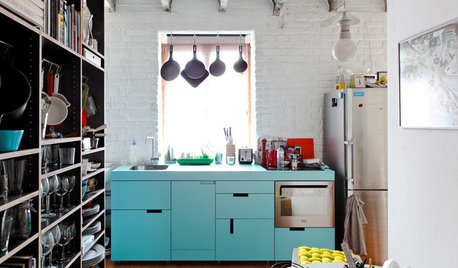
HEALTHY HOMEDetox Your Kitchen for the Healthiest Cooking
Maybe you buy organic or even grow your own. But if your kitchen is toxic, you're only halfway to healthy
Full Story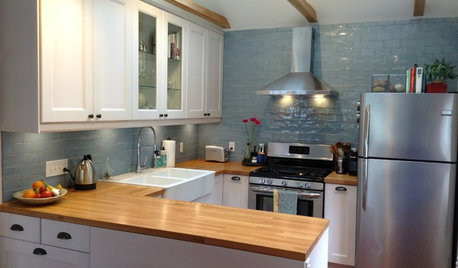
MOST POPULARThe 100-Square-Foot Kitchen: A Former Bedroom Gets Cooking
DIY skill helps create a modern kitchen where there wasn’t one before
Full Story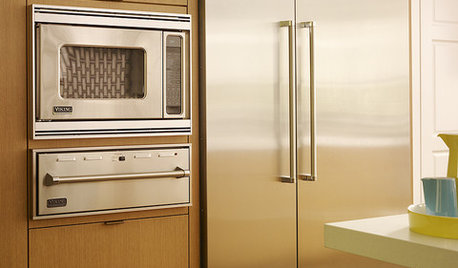
KITCHEN DESIGNA Cook’s 6 Tips for Buying Kitchen Appliances
An avid home chef answers tricky questions about choosing the right oven, stovetop, vent hood and more
Full Story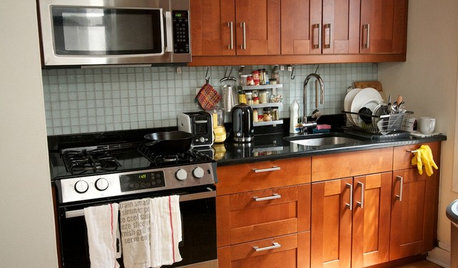
KITCHEN DESIGNKitchen of the Week: A Cooking Maven's Small Kitchen
A food blogger shows that an amazing meal can be whipped up in any size kitchen with the right tools, storage and attitude
Full Story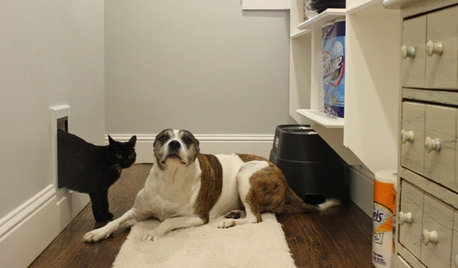
PETSPet-Proofing Your Home: A Room-by-Room Guide
Not all pet dangers are obvious. Keep furry friends safe and sound by handling all of these potential hazards
Full Story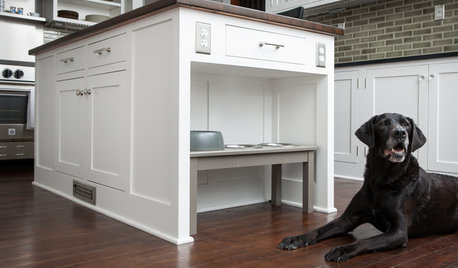
KITCHEN DESIGNPet-Friendly Design: Making Room for the Dog Dish
In a dog’s life, you eat on the floor. Except in kitchens like these, where pets are factored into the design
Full Story
bri29