

List of GMO-free Foods & allergies and genetically modified food
12 years ago
Featured Answer
Sort by:Oldest
Comments (33)
 12 years agolast modified: 11 years ago
- 12 years agolast modified: 11 years ago
Related Discussions
Major Grocer to Label Foods With Gene-Modified Content
Comments (48)Henry, I'm not questioning your credentials or your family's credentials. I'm questioning your circle-running of Google search articles for things you want to prove...and how you use some of them. While you seem to have a mind for science, your application of certain paper's topics to what you're trying to prove can be lacking. The "discussion" about the economics of large acreage farming and farmer choice burnt me out. I'm not getting into any more of that stuff...it's a never-ending circle. I understand nature is complex... I spend my personal and professional life studying it. I know large scale cropping systems, specialized hybridizing (CMS/etc), plant breeding, genetics, and the economics of cropping system especially...I also know soil science (another degree I hold), but I don't get to apply it that much in my profession. Just because I know about "science" things...it doesn't make me an expert or knowledgeable about nuclear reactions in power plants or making new elements from atomic super collider reactions. The field of science is just too broad in scope. Hell, even close fields aren't the best of neighbors. Ecologists and Horticulturalists share some similar/same terms, but the final definition is going to be different depending on which one you ask. I'm not out there trying to have a discussion/argument on the best way to raise hostas...because other than micropropagating them, I know jack about them. Expects have to specialize at some point. I know what I'm an expert at and where I'm lacking. You gotta draw that line, especially when you're diving into material you don't fully grasp. I chose a profession which puts me on the ground floor of the industry, and on the cutting edge of the technology (both GMO and non-GMO). This industry goes on without me...it happens independent of me...farmers don't care if I exist. What's going on out there doesn't care what I think. What's going on out there is what I'm exposed to on a daily/weekly basis, though. No one's wishes can make the reality of the decisions made on the ground different. It's happening whether people want to believe it or not. I've been in fields in almost 20 states, I've seen/gathered/crunched-numbers of pest data, I've used the pesticides/herbicides, I've grown the plants in greenhouse and field environments, I've talked so many farmers in so many different climates... Sorry, I can't give you their phone number and I'm not going to play Google search tag (because it never ends). If you choose to dismiss the things I say, fine. Wishes and hopes don't change what's going down on the ground floor of this particular field (or many fields). This post was edited by nc-crn on Wed, Mar 13, 13 at 20:30...See MoreAbout Genetically Engineered foods
Comments (32)Oh come on Marcia that just isn't fair. I was never implying that anyone was stupid and I worded that very carefully so no one would think that I did. If anyone else feels that I was calling them stupid I am sorry and that was not my intention. I do however feel that the subject of genetic engineering is getting an unjustified bad reputation. Since you have brought up education I will reveal mine. I have a BS in bioinformatics and computational biology with minors in computer science, statistics and chemistry. I am currently working on my MS in biotechnology. There is more than a few people eating GM crops currently and they aren't dying. Many people mention that the long term effects of GM produce should be studied and I agree with that and if they find a reason to remove the products they will. But at this current time I see no reason to have a concern. Tests are performed on the plants to look for toxic substances and allergens what more do you need. If anyone doesn't want to eat GM crops I am sure they can greatly reduce their intake of them by shopping at local farm stands. I have read a lot of the remarks against genetic engineering and they are all full of unsubstantiated claims and misleading experiments. Marcia, since you have studied biology I am sure you are familiar with the ames test. The ames test wasn't around in the time of cyclamate, our technology has come a very long way since then. Before the ames test scientists had to feed mice a lot of the compound and then dissect the mice and examine every inch of tissue for cancer. Now with the ames test all you need to do put the compound on a special agar plate and incubate for less than 2 days. And there are other countless advances to ensure safety. Even if the genes were able to somehow get into every organism within a species knocking out genes is not even as hard as putting them in. If you are interested here is one article about RNA interference . Also if you have taken genetics you know that you would never see the gene taking over a population it would reach Hardy-Weinberg equilibrium within the population. Also here is the FDA position on labeling genetically engineered food: Labeling Issues FDA has received many inquiries asking about the labeling of genetically engineered foods. Congress has provided FDA a limited basis on which to require labeling. Generally, for FDA to require labeling there must be something tangibly different about the food. In general, this means most genetically engineered foods will not need special labeling because they will be similar to traditionally bred varieties. But there are exceptions, such as when a gene from a food that could cause an allergic reaction--peanuts, for example--is transferred into another food. In that case, FDA policy places the burden on the developer. "The food will have to be labeled so everyone will know it contains an allergen, unless the developer can show scientifically that the allergenicity has not been transferred," says Laura Tarantino, Ph.D., deputy director of FDA's Office of Premarket Approval. Fortunately, the products in front of us right now don't raise those issues." FDA also will require labeling if a company uses genetic engineering techniques to change a food's composition significantly. For example, when one manufacturer modified canola to produce increased levels of lauric and myristic acids in the seed oil, FDA agreed that the common or usual name for this oil would be "laurate canola oil" in order to distinguish it from traditional canola oil....See MoreWhich of our food crops are mostly GMO?
Comments (33)Natural gas can power farm equipment...and it seems we have a lot...even though most of it is being shipped off-shore into the world market rather than keeping it around here...which is a testament to my natural gas heating bill not going down even though they're pumping more out of the US than any other place in the world. Sigh. There are gains being made in runs-on-electric farm equipment (grid electricity), but most of that is in small cultivators and small tractors which aren't large harvesters or large scale plowing machines. China is a heavy innovator in this market, but larger manufactures like J.Deere are developing prototypes (diesel-hybrids mostly)....See MoreGenetically Modified Organisms--GMOs
Comments (7)What kimmsr said is completely and utterly wrong and indicative of someone who doesn't know basic biochemistry. To answer the original poster's question however, the answer is, no. Genetically modified plants don't in any way effect the microflora. Furthermore, you can't presently purchase any gmo seed for your lawn or garden. The gmo seed companies use distributors who only sell to farmers and you have to sign a contract beforehand. These distributors don't even list their pricing online so you pretty much have to call them to place an order and they don't sell in small quantities. Unfortunately, there are many seed companies who sell to gardeners who are taking advantage of people's ignorance and labeling their seeds gmo-free even though no seed company who sells to the average citizen sells any gmo seeds. Its deceptive advertising. If you can buy it online and its not being sold in a 50lbs sack or larger then its not gmo....See More- 12 years agolast modified: 11 years ago
- 12 years agolast modified: 11 years ago
- 12 years agolast modified: 11 years ago
- 12 years agolast modified: 11 years ago
 12 years agolast modified: 11 years ago
 12 years agolast modified: 11 years ago
- 12 years agolast modified: 11 years ago
- 12 years agolast modified: 11 years ago
- 12 years agolast modified: 11 years ago
- 12 years agolast modified: 11 years ago
 12 years agolast modified: 11 years ago
 12 years agolast modified: 11 years ago
- 12 years agolast modified: 11 years ago
- 12 years agolast modified: 11 years ago
- 12 years agolast modified: 11 years ago
- 12 years agolast modified: 11 years ago
- 12 years agolast modified: 11 years ago
- 12 years agolast modified: 11 years ago
- 12 years agolast modified: 11 years ago
- 12 years agolast modified: 11 years ago
- 12 years agolast modified: 11 years ago
- 12 years agolast modified: 11 years ago
- 12 years agolast modified: 11 years ago
- 12 years agolast modified: 11 years ago
- 12 years agolast modified: 11 years ago
- 12 years agolast modified: 11 years ago
- 12 years agolast modified: 11 years ago
 12 years agolast modified: 11 years ago
 12 years agolast modified: 11 years ago
- 12 years agolast modified: 11 years ago

Related Stories
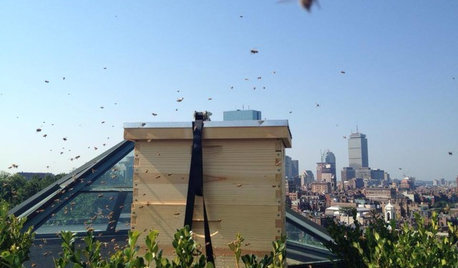
FARM YOUR YARDHello, Honey: Beekeeping Anywhere for Fun, Food and Good Deeds
We need pollinators, and they increasingly need us too. Here, why and how to be a bee friend
Full Story
HEALTHY HOME18 Ways to Allergy-Proof Your Home
If you're itching to reduce allergy symptoms, this mini guide to reducing allergens around the house can help
Full Story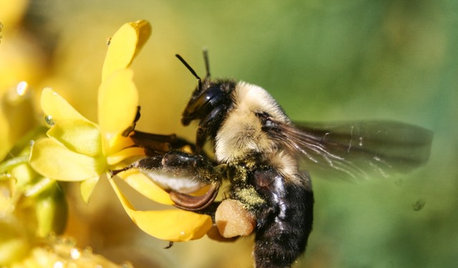
GARDENING FOR BUTTERFLIESGardening for the Bees, and Why It’s a Good Thing
When you discover how hard bees work for our food supply, you may never garden without them in mind again
Full Story
ARCHITECTURE10 Advantages of the Humble Ranch House
Boomer-friendly and not so big, the common ranch adapts to modern tastes for open plans, outdoor living and midcentury mojo
Full Story
HEALTHY HOMEWhat You Need to Know About Dust and How to Fight It
Breathe easier with these 10 tips for busting mites, dander and other microscopic undesirables
Full Story
LIFEHow to Stay Relaxed When Hosting Overnight Guests
Make sure their visit goes smoothly by following these simple steps
Full Story
EDIBLE GARDENS8 Last-Minute Additions to a Summer Edible Garden
It’s not too late to get these vegetables and herbs planted for a bountiful harvest this year
Full Story
HEALTHY HOMEGive Your Baby the Healthiest, Safest Nursery Possible
Protect your newborn by choosing nontoxic nursery furniture, bedding, rugs and paint. We give you all the details here
Full Story
HOUSEKEEPING7-Day Plan: Get a Spotless, Beautifully Organized Living Room
A task a day sends messes away. Take a week to get your living room in shape
Full Story
MOST POPULAR7 Ways to Design Your Kitchen to Help You Lose Weight
In his new book, Slim by Design, eating-behavior expert Brian Wansink shows us how to get our kitchens working better
Full Story
strawchicago z5Original Author