

Does brand of yeast make a difference
7 days ago
Featured Answer
Sort by:Oldest
Comments (15)
 7 days agolast modified: 7 days ago
Related Discussions
Yeast... Is there a difference?
Comments (4)Depending upon the company, "Bread Machine Yeast" is either very similar to or even identical to rapid-rise or instant yeast. The yeast particles are smaller, for easy integration into the other ingredients. Since it's dried at a lower temperature, a higher % of yeast cells remain alive. Brands differ, but as a rule of thumb, in a conventional recipe calling for active dry yeast, you could use 3/4 that amount in instant or bread machine yeast. I'd go farther than that and say you could easily reduce the yeast by half in a conventional American-rural-style recipe. Those tend to be over-yeasted anyway. The worst that will happen is the bread will rise more slowly, which for me isn't a problem since I only use a bread machine for dough. For baking in the machine you might want to try 25% less initially and see if that's satisfactory. Carol...See MoreDifferent Yeasts
Comments (7)Yeast bread is a many wondrous thing..... I agree, cake yeast may be the key, but it's nearly impossible to find these days unless you can find a place of business that uses it and they are willing to sell you some. Most restaurants and bakeries use SAF-Instant yeast around here for their fresh breads because that's what is available from the restaurant supply store. Active Dry Yeast and Instant Dry Yeast brands don't have the same yeasty flavor that Fresh Cake Yeast has. Restaurants could also be using recipes where they have more yeast in them to make rolls faster. I have used a recipe from "Whole Wheat Cookery - Treasures from the Wheat Bin" by Howard and Anna Ruth Beck for 30-Minute Hamburger Buns, which is a good example of this method. It uses 6 T. of yeast for 10-1/2 cups of flour, and it literally takes you 10-minutes to mix and knead the dough and then you form the buns (eliminate the first rise), 10-minutes to let the formed buns rise, and 10-minutes to bake them. They DO taste yeasty, but it's not the "best" bread recipe, but it works when you need rolls or buns quickly. This type of recipe makes sense for a restaurant who may need fresh rolls quickly. You could switch to recipes from "Artisan Bread in Five Minutes a Day" and "Healthy Bread in Five Minutes a Day" by Jeff Hertzberg, M.D., and Zoe Francois - where the dough is quickly mixed by hand, allowed to rise and then stored in the refrigerator and see if you like the flavor of those breads. Pizza dough is refrigerated in most places, where it has time to develop flavor. If dough is frozen first, it has more yeast in the dough than a regular recipe will because a percentage of yeast dies when frozen, so more is used in order to have it rise when thawed. A good recipe designed for freezer dough will have more yeast in the recipe. When dough is refrigerated (aka retarding the dough) bacteria produce wonderfully tasty acids in the cool temperatures. The cold forces the yeast into dormancy so it's not consuming the available sugars. Now the bacteria can feed and produce flavorful acids. You may even find a difference in flavor of your yeast breads if you have a cold kitchen temperature in the winter, and the dough takes longer to rise, than in the much warmer summertime kitchen. There are also tradeoffs from retarding the dough - it reduces ovenspring and loaf volume. Chilling the dough also influences the texture of the dough and you will get a slightly more open texture. A little tip if you use an overnight chilling method. After chilling, you can dissolve a little yeast (1/2 t.) in a few tablespoons of warm water and knead this into the dough before shaping. This will help compensate for the reduced volume. For every rule there is for making yeast breads, there are exceptions, and it's often the exceptions that make a great deal of difference. -Grainlady...See MorePoly question. Different brands = different colors?
Comments (4)I find this very intesting and half confusing. I'm sure Merillat isn't top of the line cabinet brand but.. They say the sealers/topcoats have UV inhibitors in them. It also then states.. "Natural sunlight contains Ultra Violet (UV) light rays that may affect the appearance of your cabinets. Merillat has tested our wood species and finishes so that you may be able to determine the approximate effect that UV rays may have on the cabinetry in your home. The tests we use follow the American Society of Testing Materials (ASTM) standards for quartz ultra violet light (QUV). The actual results in your home will vary depending on these three factors: 1.Exposure to light (for example, direct from the south, east or west, or indirect from the north) 2.The portion of the cabinet that receives the light (top, base, etc.) 3.The wood itself. The finish does not change color, the wood itself will. UV inhibitors have been applied to all Merillat cabinetry. With varying exposure to UV rays, and over time, color variations will occur" What's up with #3? I thought the point of the UV inhibitors was so that it's protected and won't?...See MoreActive Dry Yeast vs. Instant Yeast
Comments (28)The great thing about all purpose flour is that you can use it for all purposes. There are a few different kinds of wheat that are our main supply. Other forms are usually given a separate name, such as einkorn, spelt, emmer, farro (which can actually be three different ones, but is usually used for the one with the biggest berry). For the full explanation of the wheat varieties, search on Grainlady and read her posts. Basically, however, there are some that have 12-14% protein, from which gluten is developed, 8-10%, and 6%-ish. AP flour is a blend of high and low protein flours to make one that's around 10.5%, with some variation by company. KA AP is higher in protein than most other APs and very appropriate for many breads, but not so great for cake. Some bread flour is very high protein, and most is a percent or two more than the AP from the same company. Cake flour is usually about 8% protein and pastry flour is 6%. You don't want to develop gluten for cakes and pastries! That's why you're warned not to overbeat them. You can't tell the protein content based on the nutrition label. It gets lost in the rounding error. KA and some others label their bags with the actual protein content. So, the point of bread flour is that the higher protein content develops more gluten, making for a stronger rise. That's not necessarily a higher rise. For that, they often put malted barley in the flour, more often AP, because it's already a blend, as well as enriched (vitamins and minerals) if it's bleached. The stronger gluten will show in the crumb structure and texture. Bread is whatever you want it to be. If you're making bread you like with the flour you have, then it's good! If someone else prefers another, that's good too. Some people prefer a stronger cake from AP, some like a flyaway light cake crumb from cake flour. Some people mix their own to get it just right. Unless you're in a competition with a particular standard sheet that it's being judged to, none of this matters so long as you and those you're feeding like what you're making, so don't let it get to you....See More- 7 days agolast modified: 7 days ago
 7 days ago
 7 days agolast modified: 7 days ago
- 7 days ago
- 7 days ago
- 7 days ago
- 6 days ago
 6 days ago
- 5 days ago
- 5 days ago
- 5 days ago
 5 days agolast modified: 5 days ago
- 4 days agolast modified: 4 days ago
Related Stories

MOST POPULAR8 Little Remodeling Touches That Make a Big Difference
Make your life easier while making your home nicer, with these design details you'll really appreciate
Full Story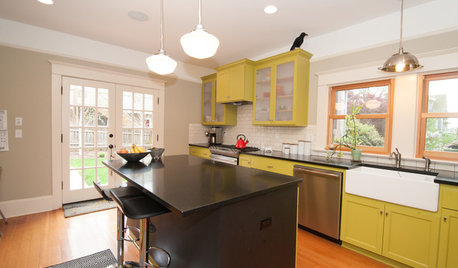
KITCHEN DESIGNKitchen of the Week: What a Difference Paint Can Make
A bold move gives a generic Portland kitchen personality without a major overhaul
Full Story
BUDGET DECORATINGBudget Decorator: 8 Ways to Make Old Furniture Look Brand New
Learn stripping, staining, painting and reupholstering basics to make bargain-basement furniture worthy of center stage at home
Full Story
INSIDE HOUZZHow Much Does a Remodel Cost, and How Long Does It Take?
The 2016 Houzz & Home survey asked 120,000 Houzzers about their renovation projects. Here’s what they said
Full Story
COMMUNITY15 Ways to Make Your Neighborhood Better
Does your community lack ... well, a sense of community? Here's how to strengthen that neighborly spirit
Full Story
MOST POPULARWhen Does a House Become a Home?
Getting settled can take more than arranging all your stuff. Discover how to make a real connection with where you live
Full Story
ARCHITECTUREHouzz Tour: Shipping Containers Make for an Unusual Home
Recycling hits the big time as a general contractor turns 4 metal boxes into a decidedly different living space
Full Story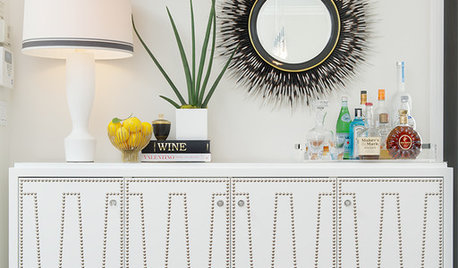
DINING ROOMSBuffet, Sideboard, Server, Credenza: What's the Difference?
Learn the definitions and details to make shopping for dining room storage furniture less confusing
Full Story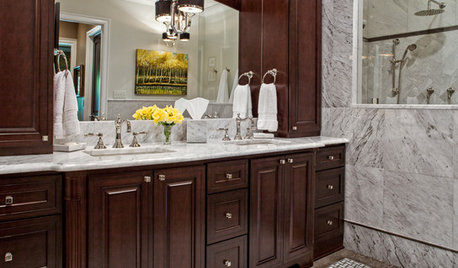
REMODELING GUIDESBathroom Workbook: How Much Does a Bathroom Remodel Cost?
Learn what features to expect for $3,000 to $100,000-plus, to help you plan your bathroom remodel
Full Story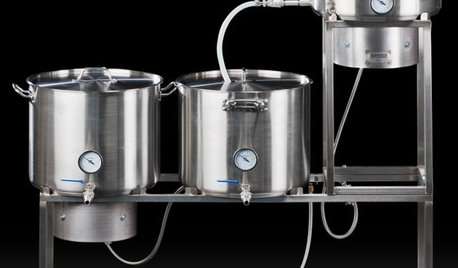
HOME TECHMake Home Sweet Home Even Sweeter With a Brewery Or Winery
New high-tech products make small-scale home beer and wine production easy and fun
Full StorySponsored

Virginia's Award Winning One Stop Kitchen & Bath Remodeling Resource


porkchop_z5b_MIOriginal Author