

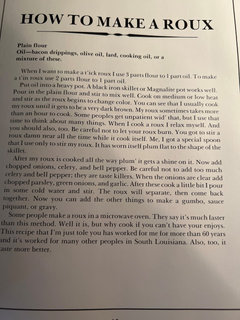
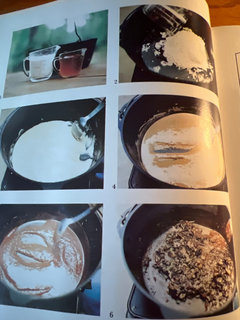
Teach me to make gumbo? Trials...
2 years ago
Featured Answer
Sort by:Oldest
Comments (27)
Related Discussions
Trial Outcome
Comments (17)I am happy that he has to pay for what he has done, but I'm another who thinks he should recieve a much stiffer sentence. He is no friend to humans or to animals! So glad you and your husband are healing, Linda. You sounded really good on the phone. I am not afraid of dogs, I am more afraid of the idiots that teach them terrible behaviors. Any dog can be taught to be mean or gentle. I have a German Shepherd and we were turned down by 3 home insurance comapnies because we have him. Little did they know that he is so gentle and loving. I could take T-bone steak out of his mouth and he wouldn't even flinch. It's all in how they are raised. I wish you both a full recovery and a lifetime of happiness with Lucy and Ethel! Linda...See MoreWhat age to teach knitting/crocheting?
Comments (12)Thank you all for your comments and helpful hints!! We went to Michaels a few days ago and she got to pick out her own hook (5.5mm) and her own yarn (Bernat satin in Flamingo). I showed her how to do a chain and a few ways to hold the yarn....I'd forgotten just how much coordination is required!! She quickly realized that she could make bracelets, hair adornments and little belts if she had a long enogh chain. Well, that motivated her. The next morning before breakfast and kindergarten at 7am, I found her quietly sitting in a corner trying to pull that silly yarn through the loop in what looks to me to be the most awkward way...but it works for her! Since then, she's taken her special little bag along on car trips and during quiet times at home to cast on a few more loops on her chain. She doesn't want any help right now with learning the "proper way" to hold the hook or yarn, so I'm just going to let her go at it. I'm soooo happy to have a little crocheter!!!...See MoreTeach this Young-OLD Dog New Tricks?
Comments (69)mama here's my current stash and uses: Persil Pearls: All whites excluding the wife's unmentionables. Persil 2in1: All of my colors Cheer Powder: All wife and I's blacks, denims, navys excluding the wife's unmentionables. ALL F&C OXI liquid: All of the kiddo's clothes and remaining of wife's colors and unmentionables. Wisk: Because Wisk is going bye bye and because I wanted something to pre-treat my collared shirts. Ariel and Borax: For the obvious hard works Other detergents that will be finished off or gifted: Ecos: 3 loads remaining max B.R.U.'s version of Dreft: A lot left honestly but really rather use ALL F&C OXI Purex Naturals: Unopened but has been replaced by ALL F&C OXI...See MorePropagating blackberry tip cuttings—trials and errors
Comments (18)update: so far, i've had five of eight blackberry stem cuttings survive and root in coir. another stem died, but this was a wind-injured stem that i had to remove off the plant anyway; i thought i could plant it in coir and bring it back to life, but the stem had probably been broken too long for it to be resuscitated. interestingly, i've had no success propagating cascade gold raspberry stems in coir; two cuttings have been situated in coir for more than six weeks, and the leaves had gradually taken on an unhealthy pallor with no visible roots emerging. i have a raspberry stem that's been sitting in moist soil for almost four weeks, and though i don't see any roots showing at the edge of its clear plastic container, the stem's leaf still seems healthy, so my guess is that the cutting is working on it....See More- 2 years ago
- 2 years ago
- 2 years agolast modified: 2 years ago
 2 years agolast modified: 2 years ago
- 2 years ago
 2 years ago
 2 years ago
 2 years ago
- 2 years agolast modified: 2 years ago
- 2 years ago
- 2 years ago
 2 years agolast modified: 2 years ago
- 2 years ago








Related Stories

FEEL-GOOD HOMESimple Pleasures: Make Do and Mend
Experience the satisfaction of fixing, repurposing and creating things yourself around the home
Full Story
ARTFrom the Artist: How to Make a Real Mobile
It’s all in the balancing points: A top mobile designer shows how to create a Calder-inspired installation of your own
Full Story
LIFE8 Ways to Make an Extra-Full Nest Work Happily
If multiple generations or extended family shares your home, these strategies can help you keep the peace
Full Story
BATHROOM DESIGN12 Ways to Make Any Bathroom Look Bigger
These designer tricks can help you expand your space without moving any walls
Full Story
FLOORS10 Ways to Make the Most of Your Home’s Original Floors
Save yourself the cost of replacing your old floorboards with these tips for a new finish
Full Story
COMMUNITYArt, Edibles and Community Make Magic in a Pittsburgh Garden
With a name like Friendship, is it any wonder this neighborhood created such an enchanting community garden?
Full Story
BATHROOM DESIGNPowder Room Essentials to Keep Guests Happy
Set out these bathroom necessities (hello, hand towels) to make your company comfortable and your parties run smoothly
Full Story
FEEL-GOOD HOME12 Very Useful Things I've Learned From Designers
These simple ideas can make life at home more efficient and enjoyable
Full Story
DECORATING GUIDES8 Open-Plan Mistakes — and How to Avoid Them
There’s much to love about relaxed open-living layouts, but they can be tricky to decorate. Get tips for making one work
Full Story
PETSLove Pets? Here’s What to Look for in a House
Make sure Buddy and Bella will have the safe and comfortable spaces they need
Full Story
plllogOriginal Author