

Noom anyone? Has anybody tried this? Successes?
3 years ago
Featured Answer
Sort by:Oldest
Comments (12)
Related Discussions
Has anybody tried Solomon's wide, wide spacings?
Comments (14)I haven't read the book, which sounds interesting. But through trial and error, I have chosen similar wide spacings, and have been very happy with the results. Two factors sent me down that path initially. Disease was often a problem for me in closely-spaced rows, especially with beans. Then when I began to save heirloom seed, I often had a limited supply initially, and wanted to get the maximum yield out of whatever plants survived. I observed enormous increases in plant vigor with the wider spacing, and have used the method almost exclusively ever since. 24" spacing for pole beans seems excessive; while they will usually fill in the trellis (depending upon the degree of branching), I found a default spacing of 12" to be optimal. Not all varieties will require the same spacing; some pole beans do well with 6" spacing, while a few very rampant varieties require 15-18". Yardlong beans do their best for me at 15-18". Pole limas need even more, I use 24" spacing for them... and when I grew the large-seeded pole limas (in warmer climes than I have now) I spaced them up to 36" apart. HOWEVER... this year one of my small-seeded pole limas died, leaving a 4-foot gap between plants. By the time of harvest, the gap was no longer visible, even upon close examination. And a rare bean last year, with only one seed germinating (!!!) covered a 4' X 6' trellis by itself, and produced over 8 ounces of dry seed. Pole beans will take almost as much space as you give them, and a pampered plant can give astronomical yields. For tomatoes, I use 24-30" spacing each way for determinates, and 36-48" for indeterminates. Eggplant does well for me at 30-36". 24" seems to be optimal for okra where I live now, but in a long-season area (San Diego) I used 36" - and could barely walk between the plants. I have arrived at default spacings for most vegetables which are generally much greater than seed packet instructions. This will vary with the variety; I observe the initial performance, and make adjustments as appropriate the next time it is grown. As a rule of thumb, the widest spacing that I can use, while still covering the ground or trellis without gaps, seems to be optimal for plant health. Castorp, my own observations are in agreement with what you stated in your last post. I experimented heavily with various spacings for one of my favorite crops, yardlong beans. At the closer spacings (4-6"), they did not climb as high, and the majority of the yield was close to the ground. At the spacing I use now, the vines are rampant & heavily-branched, and bear continuously. With pole snap beans, the results were similar. At closer spacings, I would get one very heavy picking, followed by a long period of inactivity. This was even more pronounced in bush beans. At wider spacings, the yield was more continuous, and the pod quality was better. I do not believe that there is one "perfect" spacing. Differences in climate and fertility will cause variations in optimal spacing; there are even differences between my backyard garden, and the same plant grown in my main plot 6 miles away. Then too, the space between plants is an influence on their behavior, and can be used as a tool to the gardener's advantage. If you live in a short-season area (or want multiple rotations within the growing season), want heavy one-time crops for canning, or have limited space, then closer spacing might be appropriate. If you want a more prolonged harvest, are trying for "whopper" produce, live in a long-season area, or have problems with foliar diseases, then wider spacings may be preferable....See MoreHas anybody up north tried leaving in ground.
Comments (13)I leave mine in the ground here in western Oregon zone 8b and they have made it thru the coldest winter in 40 years last year(-10) , they actually multiplied, here there is more problem with saturated ground in winter than the cold and I did not cover it with anything Im going to cover them this winter , I had a bed that was unused and covered with plastic and when I uncovered it this spring it was bone dry . this winter I will cover my new tubers with a tarp and then 6-10 inches of hay and leaves don't put the mulch under the tarp or mice will move in and eat your tubers I also plant my tubers a little deep 5-6" , to protect them from the ground freezing it never freezes deeper than that here...See MoreAnybody has success with Clematis in Zone3?
Comments (17)Canadian Tire's clematis have come in rounded cardboard containers (stick attached) for a couple of years. I would imagine they're shipped the same way. I haven't noticed that any were broken, but if that's the way they're shipped, it probably does happen to a lot of them. Love the pics of Don's clematis! I wish all of mine looked so nice! The Pope did this year but the others have never looked like that. And my Ville de Lyons doesn't have the lighter stripes in the middle. Wonder if it's not what it said it was....See MoreHas anyone tried worm composting with success?
Comments (4)Yes it's definitely worth the time. First, you get rid of the kitchen waste without loading up a landfill or sending it down the disposal where huge amounts of time and money will be spent to clean the water you used. Second, you get A#1 USDA Prime product from those worms. Worm poop is a great soil additive. Use it in the bottom of a planting hole, use it to help indoor plants, use it in potting soil.....it's great stuff. The best part is that once you great a method down, it's much easier than an outdoor compost bin.....and uses no water like the outdoor one....See More 3 years ago


Related Stories
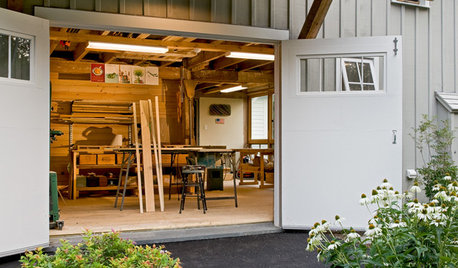
LIFEStressed Out? Try Hitting the Woodshop
Building things with your hands just might boost your mood while giving you personal new pieces for your home
Full Story
MOST POPULAR8 Things Successful Architects and Designers Do
Good architects tell a story and engage the senses. They understand the rules — and know when to break them
Full Story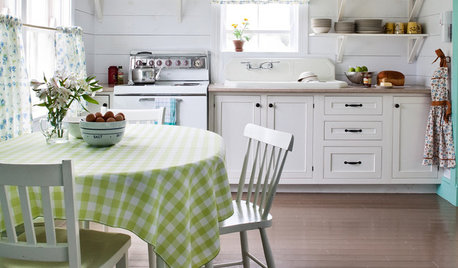
KITCHEN DESIGNThe Cure for Houzz Envy: Kitchen Touches Anyone Can Do
Take your kitchen up a notch even if it will never reach top-of-the-line, with these cheap and easy decorating ideas
Full Story
HOUSEKEEPINGGot a Disastrously Messy Area? Try Triage
Get your priorities straight when it comes to housekeeping by applying an emergency response system
Full Story
GARDENING GUIDESThe Simple Secret to Gardening Success
Learn the kinds of soil and a DIY type test to make sure you’re putting the right plant in the right place
Full Story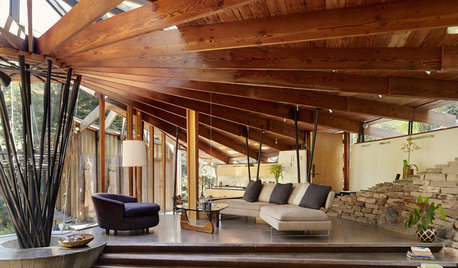
ARCHITECTUREHave It Your Way — What Makes Architecture Successful
Universal appeal doesn't exist in design. The real beauty of any home lies in individualization and imagination
Full Story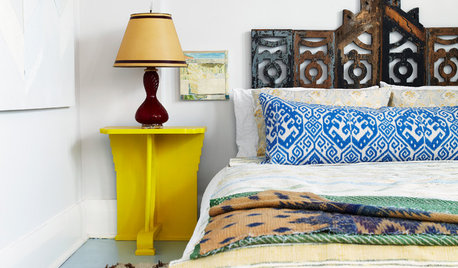
SALVAGEDIY: Secrets of Successful Upcycling
Learn how to find and customize salvaged pieces and materials to create one-of-a-kind furniture and accessories you love
Full Story
HOUZZ TVHouzz TV: This Dream Midcentury Home in a Forest Even Has Its Own Train
Original wood ceilings, a cool layout and, yes, a quarter-scale train persuaded these homeowners to take a chance on a run-down property
Full Story
COLOR12 Tried-and-True Paint Colors for Your Walls
Discover one pro designer's time-tested favorite paint colors for kitchens, baths, bedrooms and more
Full Story
REMODELING GUIDES6 Steps to Planning a Successful Building Project
Put in time on the front end to ensure that your home will match your vision in the end
Full Story
User