

Across the pond.....portrait explanations
4 years ago
last modified: 4 years ago
Featured Answer
Sort by:Oldest
Comments (8)
 4 years agolast modified: 4 years ago
Related Discussions
A long explanation with A few quick questions....
Comments (2)The best solution I've caught for that, is to clear the space you're planting on/in, plant, and cover the seedling/immature baby plant with a cup or a bowl, then replace the mulch. When you remove the cover, the mulch stays close where it's useful, but not so close that it's harmful, or hiding the new babies. I'm not as certain for any direct-sown seeds. I would likely leave it mulch-free, for as long as possible, then take the most viable seedlings or groups and try the cup or bowl approach again. If you *must* use some kind of mulching material over them, I would want to go with something light, loose, and very fine, in a VERY thin layer. Bugs like mulch, in my gardens. :'( Your mileage, as always, may vary. As for covering mulch - true, it's best not to cover woody mulch in a garden space. The wood portions will attempt to rot more quickly, so you'll lose any 'mulching' benefit to them. Weeds will just sprout in the new dirt on top anyways, so they're made more useless. And as they rot and break down, the process absorbs all locally available nitrogen until it decides it's had enough! As all your new babies will need it as well, they'll fight over it, and the odds are high that the wood chips will win....See MorePlagiarism - Opinions, explanation please
Comments (32)I was a reporter for a small newspaper just out of college. I covered a museum press event and met several other reporters from different parts of the state there. A few weeks later a friend from a much larger city called to tell me that "my" article had appeared almost word-for-word in her local paper. She sent it to me, and sure enough---the other reporter had basically copied my entire article. I contacted her editor and sent him my piece. He later called me back to say that no action would be taken because he'd called the PR person at the museum and that man had told him that my article had been supplied by the museum as a press release! That was completely untrue, and I was livid. I told the friend who had first brought the matter to my attention and she laughed---and said she knew the reporter was dating a PR person at that museum. So I called the editor back and told him this, and he was appalled and embarrassed, and promised to get to the bottom of the situation. Both the reporter and her museum PR boyfriend were both fired from their respective jobs. Plagiarism is the product of intellectual laziness and dishonesty, sometimes equal parts of both, sometimes more of one than the other, but always both....See MoreCookbook woes
Comments (5)I don't see it so much as "Short Hand", but rather how recipes reflect the way ingredients were commonly purchased, used, and expressed in recipes at that time, in that place. Each generation contribute new "language" to recipes. Each generation also forgets "language" from the previous generations. As a matter of fact, many of the old "favorites" associated with namebrand foods - recipes from the backs of boxes, bottles, cans and jars - have been dumbed-down because the new generation can't figure out complicated measurements (like 2/3-cup) and mixing processes (cream the fat and sugar), thanks to no child being left behind, or perhaps no family left in the kitchen after the advent of the mini-van and the microwave oven (please forgive me my little rant). Manufacturers contribute products that come and go; not to mention the differences in sizes of products from what they once were. Today, I marvel at people who don't have a scale to weigh ingredients and still struggle to convert measurements rather than simply use a scale, so that's my twist on "change". It's up to us to fill-in-the-blanks by gaining the knowledge needed and understanding how things used to be. I keep a notebook I call my "Book of Odd Knowledge" that has interesting cooking/baking information in it. Such as: -"Yeast" - pre-WWII was fresh yeast and the cubes came in several different sizes, so you have to look at the amount of flour in the recipe to judge how much dry yeast you'll need to use, because recipes rarely denote what size the cube of yeast was. I have fresh yeast to dried yeast conversion charts in my book. These days "yeast" can mean a variety of things, and most people don't always understand the differences and uses of "yeast" today, let alone 60 years ago. -Powdered Sugar (aka confectioners' sugar, icing sugar): 10X, 6X, and 4X indicates the size of the mesh used to sift it. 10X is smallest and sifted finer. Occasionally you see 10X confectioners' sugar called for in recipes. Community cookbooks are some of the most "interesting" for oddities. Women's Church Group, Social Clubs, Ethnic Groups, etc. - ALL present their own special spin on cooking, recipes, and local ingredients used. Speaking from a U.S.A. perspective... * Cake mixes, although they have changed over the years (remember the brands that added pudding), they have nearly always yielded the same pan size (with the exception of Jiffy cake mixes which made a small 8- or 9-inch cake) and fall into one of three categories. The same categories as homemade cakes. * "White Cake" is the name of a standard shortened cake (aka butter or conventional cakes). Examples of shortened cakes include the standard plain white, yellow, chocolate and spice - technically, fruit cakes are also in this category. * An Angel [Food] Cake is an UNshortened cake (aka sponge or foam cakes) is completely different type of cake from white cake. I don't think the names were ever used one for the other. Knowing the different types of cakes (cakes 101) is helpful, just as knowing the different methods of breadmaking is also helpful when reading older recipes (straight-dough, sponge, or sourdough). Most people are recipe oriented without a lot of the basics of the principles and preparation. If you have questions about a specific brand, you can always call/e-mail the company (if still in existence) and ask them about the particular product. Bisquick - aka baking mix (flour, fat, salt, leavening), is a base mixture of ingredients, and has remained much the same for all the years of production as the first "convenience" food - exceptions - they introduced low-fat and wholegrain versions. You may find these web sites helpful... Food Substitutions: The Cook's Thesaurus - www.foodsubs.com You'll find a substitute for savory there and this site is a good resource for information about all kinds of food. Heirloom Weights & Measurements: http://homecooking.about.com/library/weekly//bloldconvert.htm -Grainlady...See MoreTomato taste the scientific explanation
Comments (1)That tri-color one is beautiful. I'd love to be able to have some of those. But I'll take what I can get. When you get your bumper crop, let me know if you want to give or trade any....See More- 4 years ago
- 4 years ago





Related Stories
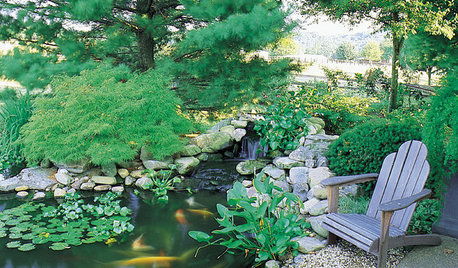
GARDENING AND LANDSCAPINGHow to Make a Pond
You can make an outdoor fish paradise of your own, for less than you might think. But you'll need this expert design wisdom
Full Story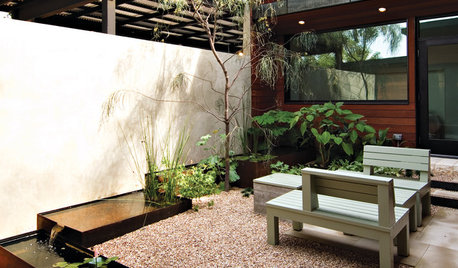
LANDSCAPE DESIGNStrike a Balance: Stuff vs. Space in the Garden
Zoom out to the big design picture before focusing on the little details, to create a garden with all the elements in balance
Full Story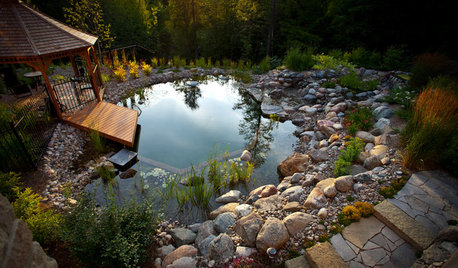
LANDSCAPE DESIGNNatural Swimming Pools: More Beauty, No Chemicals
Keep your skin and the environment healthy with a pool that cleans itself, naturally
Full Story
WORKING WITH PROSWhat Do Landscape Architects Do?
There are many misconceptions about what landscape architects do. Learn what they bring to a project
Full Story
COMMUNITYGet a Bird's-Eye View of America's Housing Patterns
See the big picture of how suburban developments are changing the country's landscape, with aerial photos and ideas for the future
Full Story
TINY HOUSESHouzz Tour: A Custom-Made Tiny House for Skiing and Hiking
Ethan Waldman quit his job, left his large house and spent $42,000 to build a 200-square-foot home that costs him $100 a month to live in
Full Story
WORLD OF DESIGNA Beginner’s Guide to the Japanese Tea Garden
A small roji, or teahouse garden, offers a respite from everyday life. Why not make one part of your home garden?
Full Story
FUN HOUZZDon’t Be a Stickybeak — and Other Home-Related Lingo From Abroad
Need to hire a contractor or buy a certain piece of furniture in the U.K. or Australia? Keep this guide at hand
Full Story
TRADITIONAL ARCHITECTUREHouzz Tour: New Warmth for a 17th-Century Scottish Castle
A tasteful restoration project introduces modern comforts into a formerly chilly castle without compromising its character
Full Story
PETSHouzz Call: Send in the Dogs
Have the greatest dog in the world? Share your best design photo featuring the dog you live or work with
Full Story
Lars