

Fruits you prefer cold, room temp, or frozen
5 years ago
Featured Answer
Sort by:Oldest
Comments (40)
Related Discussions
Freezing temps and cold weather plants
Comments (14)Fall-Winter is my favorite time to garden! The hot weather here in the Central Valley, California, makes me very sick (heat/sun stroke, losing my pigments, sunburned very easily). I measured the temperature in my garden this morning about 6:40 a.m., between 27-31 Degrees F. Our roommate's car at 7:15 a.m. still has solid ice all over the entire car! I'm amazed that all of my Tomato plants (Pear and Cherry) are still looking healthy, with no signs of stress. My Tomato plants have always died before when the temperature drops below freezing. Maybe they are acclimatizing to the cold weather ..... Looks like all of my seedlings are enduring this chilling weather. I have over 100 different kinds of plants growing now, including summer plants: Tomatoes, Eggplants > Thai, Peppers, Basil, Zinnias, California Poppies, Morning Glories, Four O'clocks, and more ... Now, if only the gophers will leave me something to eat this Winter .... Stray cat's nearly destroyed my most recent seed bed. Picked fresh Southern Curled Mustard and Red Giant Mustard and Chinese Cabbage to add to my sandwich yesterday! Looking forward to fresh Lettuce, Beet Greens, Collard Greens, Kale, Kohlrabi Greens, Swiss Chard, Radish Greens, Stinging Nettle, Dandelions which should be ready soon ..... -- Jim (Central Valley, California) > Climate Zone #8/14 > Hardiness Zones #8-9a...See MoreSetting Fruit in Cold Temps
Comments (13)Just a few thoughts on the original question of tomatoes setting fruit at low temps. There is a variety, Earlinorth, that sets fruit down to 40 degrees. If you do some serious digging, you can find several Russian varieties that have significant cold tolerance. Also, there are several varieties available in the U.S. that are modestly cold tolerant in terms of setting fruit. I am doing some work with tomatoes to identify genes that contribute to extreme cold tolerance. I currently have 200 plants in my garden for evaluation. This includes Earlinorth, PI120256, numerous U.S. cultivars, and several Russian varieties. So far, I have seen 3 distinct traits involved in cold tolerance. One is the ability to set fruit at low temps, another is improved root efficiency, and a third is leaf tolerance to cold temps. Each trait appears to be affected by different genes. DarJones...See MoreCold or room temp hors d'oeurve?
Comments (33)Too many danged events in a row, so I've been slow in reporting back. :( Apologies! You all were so very helpful! Thanks to you, I have a much bigger variety of options in my arsenal! Even though there is cheese in it, I went with Mtnrdredux's beet-endive spears. It's mostly not cheese. :) I had both red and white endive, and there was a bag of something at Trader Joe's called "heirloom red spinach" which I'd never seen before. The leaves are colored much like a begonia, with bright red on the bottom and reddish green on top. To complete the picture, I should have done both red and gold beets, but I had leftover beets just using the red. So I alternated endive colors, and added an alternating red/red-green spinach leaf to each one, and they looked really pretty. This is the best picture of a plateful that I could get: The chevre was thinned a little with some vermouth and some white balsamic vinegar, and seasoned with Penzey's Greek seasoning blend along with a salt free garlic pepper blend (this was after midnight before the event I was working and the party, so I just went with what was already mixed and sounded tasty rather than trying to invent a flavor for the occasion. I also added a little chipotle powder and a bunch of dried thyme from a friend's garden. There was a little leftover filling and it was delicious on whole wheat bread. :) I only got a little tester, but I think it must have been good because it all went fast. :) Thanks again to everyone and Happy Holidays!...See MoreNew ideas for cold/room temp dips
Comments (26)amylou, that is the cheese spread I make every holiday for my son in law, Dave, he loves the stuff, but I usually add finely chopped dried beef or beef from those little plastic envelopes, here it's Buddig. I think adming pimentos would make it look very "red and green holiday festive"! A favorite here is pimento cheese, there's never any left and the above SIL likes it nearly as well as the cream cheese recipe of amylou's. I also make a quick "southwestern" dip with a jar of salsa, a can of drained southwestern style corn and a can of rinsed black beans. Mix it up and you have dip, my girls love it. Ashley likes to add sour cream and it's fast and easy. Of course mine has my homecanned salsa and Readinglady's Southwestern Corn Relish, but the ingredients could easily be purchased at the grocery store. There's that "7 layer dip" with the refried beans, cheese, tomatoes/etc, and there's this cold chili cheese dip. If I don't have yogurt, I use a cup of sour cream in place of the yogurt/mayo combination and it's still good, and it's easy to double or triple if you need a lot. Chili Cheese Dip 2/3 cup plain Greek yogurt 1/3 cup mayonnaise 1/3 cup finely chopped green bell pepper 1/3 cup canned diced tomatoes, well drained 1 (4 oz.) can diced green chilies, well drained 3/4 teaspoon chili powder 1/4 teaspoon ground cumin 1/3 cup grated cheddar cheese 2 tablespoons finely chopped green onion Vegetables and tortilla chips, for serving Mix all ingredients together in a medium bowl until well combined. Serve with tortilla chips and raw vegetables for dipping. I always liked chips, dips, veggies and munchies better than the meal at most events anyway! Annie...See More- 5 years agolast modified: 5 years ago
- 5 years ago
 5 years agolast modified: 5 years ago
- 5 years ago


Related Stories
FARM YOUR YARDIf You Have Room for Only One Fruit Tree ...
Juice up a small garden with one of these easier-care or worth-the-effort fruit trees for a mild climate
Full Story
PETSPet-Proofing Your Home: A Room-by-Room Guide
Not all pet dangers are obvious. Keep furry friends safe and sound by handling all of these potential hazards
Full Story
FARM YOUR YARDIf You Have Room for Only One Summer Crop ...
Get an edible that’s long on flavor even if you’re short on space, with a long-time gardener’s favorite picks
Full Story
LIVING ROOMSAddition Gives This Family a Living Room in a Glass Conservatory
Who says you can’t enjoy indoor-outdoor living in cold climates? This Danish conservatory is bright and cozy year-round
Full Story
FEEL-GOOD HOMESimple Pleasures: Get Cozy on a Cold Day
Some things are best when the weather is bad. Heat up some cocoa and join the discussion
Full Story
ARCHITECTURE15 Smart Design Choices for Cold Climates
Keep your home safe and comfortable in winter by choosing the right home features and systems
Full Story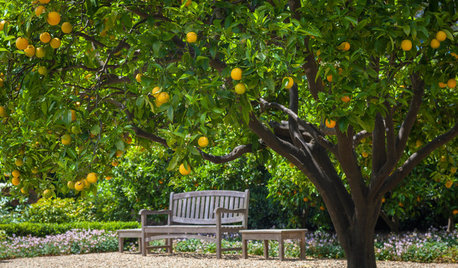
EDIBLE GARDENSHow to Grow 10 Favorite Fruit Trees at Home
Plant a mini orchard in fall, winter or early spring to enjoy fresh-off-the-tree fruit the following year
Full Story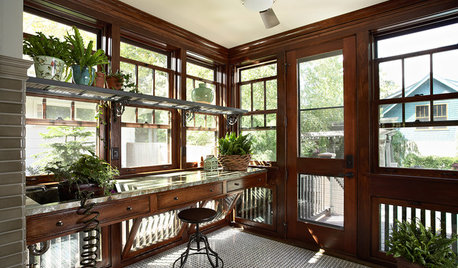
WINTER GARDENINGWinter Gardening: Ideas for a Dream Potting Room
Check out potting rooms that get indoor gardening right — and learn tips for creating your own
Full Story
GARDENING AND LANDSCAPINGCozy Outdoor Rooms Let You Snuggle Up to Fall
Drape a throw and let the firelight glow. These ideas for your outdoor room will make fast friends of you and autumn
Full Story
DECORATING GUIDESHow to Cool Down a Room in Hot Weather
Here are 15 tips for staying cool and comfortable without an air conditioner or a ceiling fan
Full Story
LarsOriginal Author