

Has anyone ever used the Freedom of Information Act?
5 years ago
Featured Answer
Sort by:Oldest
Comments (28)
 5 years ago
Related Discussions
Has anyone ever moved their greenhouse?
Comments (16)I'd like to ask more about your greenhouse and hope the move went well. It is the same model I am thinking about to add to a covered porch. I will enclose the sides of the existing porch, then add this attached greenhouse out to the south. There will be some work space under the old porch roof, with a door coming from the house. There is also a picture window looking into it that happens to be from my bedroom. It will be easy to allow for heat exchange between the house at times with the door and window. I've thought about this for some time but haven't gotten around to doing it. Would appreciate any input about the situation and also opinion on the Sunglo or other attached models. Would really like to see a picture of your greenhouse if possible....See Morehas anyone ever composted using milipedes?
Comments (2)"# Millipedes (Diploda) These long, slow-moving, wormlike animals are found in small numbers throughout the worm bin. Millipedes are long and segmented, with two pairs of legs per body segment and two antennae. Those in a worm bin are usually brown or reddish-brown. # Centipedes (Chilopoda) Centipedes resemble millipedes, thought they have only one set of legs on most body segments and a large pair of pincers. Generally reddish, it moves fast and is the only worm predator you're likely to ever see in the bin. Remove them by hand, carefully, so as not to get pinched!" "Don't worry about critters trying to get out of the bin, either. They are attracted to the dampness in the bin, where food is available, and will not venture out into the sterile and dry territory beyond the air vents." The above quotes are from http://www.allthingsorganic.com/How_To/06.asp that I found when Googleing for answers to your questions. I would venture to guess that most of us here learned about worms two ways. Number one behind a computer by reading maybe the last four years of posts here. That way one can learn answers to questions they were not yet smart enough to even ask. The second way is to sit down on an over turned 5 gallon bucket with a three tined garden hand tool and fork through ones vermicompost into a second container examining like an anthropologist would each layer of information. This is how we all learned what in the world was happening in our bins. And best of all is we had great fun doing it....See MoreHas anyone ever painted their kitchen countertops???
Comments (18)My mother painted hers years ago. Some type of faux finish. They held up pretty well for several years, but didn't age well. My cousin helped me update her home for sale (as I live out of state). They did some kind of spray on finish. I haven't seen it in person, but it looks amazing in pictures. Almost like quartz. Even turned the bright yellow sink black. It only cost $500 for her huge kitchen and can with a lifetime guarantee. Everyone who has seen the house has told me they were surprised I spent the $$ for new countertops! I will try to find out what its called....See MoreHas anyone ever canceled non-refundable airline tickets?
Comments (16)A few thoughts - --I had to cancel an American flight last year, and I think the fee was $200 or $250. --Typically you have one year to use the credit from a cancellation, but it's one year from when you made the original reservation, NOT one year from when your original flight was. So pay close attention to the expiration date, since it's likely earlier than your original flight date. Also ask to make sure whether you have to fly by the expiration date, or just book by the expiration date. --I don't think I had to fly to the same destination as the original flight (even though I did), but I think it did have to be the same person taking the replacement flight. I'm not sure about that because I was planning to use my credit anyway, but I seem to recall the agent saying something about that. It's worth asking if you're considering trying to combine both your and your husband's flight credits for one flight for one of you or something like that - they may not let you do that. --Cancel before the day your first flight takes off. If you wait until after your first flight leaves, then you're considered a no-show and I think your options may not be as good? --When I cancelled my flight, I found the way they worded the credit confusing. If you pay $1,000 for a flight (just to keep the numbers round!) and the fee is $200, I expected to be told that I had an $800 credit. But they tell you that you have a $1,000 credit, and the fee will be deducted when you go to re-book the flight. So it amounts to the same thing - you still have $800 of usable credit, I just found the wording confusing. I think maybe they phrase it that way in case they decide to increase the fee before you use the credit, and then they'd be deducting the new higher fee from your credit instead....See More 5 years ago
- 5 years ago
- 5 years ago
- 5 years ago
 5 years ago
- 5 years agolast modified: 5 years ago
- 5 years ago
- 5 years agolast modified: 5 years ago
- 5 years agolast modified: 5 years ago
- 5 years agolast modified: 5 years ago
- 5 years ago
- 5 years ago



Related Stories

KITCHEN DESIGN6 Clever Kitchen Storage Ideas Anyone Can Use
No pantry, small kitchen, cabinet shortage ... whatever your storage or organizing dilemma, one of these ideas can help
Full Story
DECORATING GUIDESDecorating 101: How to Use White Right
If you’ve ever been in white-paint-swatch limbo, you know white can be tricky to work with. Here’s how to get the fresh look you’re after
Full Story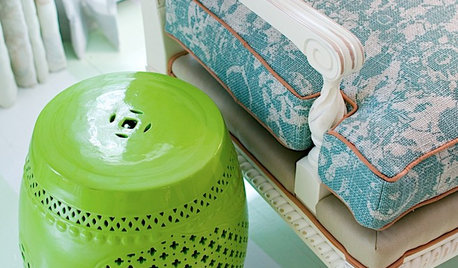
DECORATING GUIDESThe Most Helpful Furniture Piece You May Ever Own
Use it as a table, a seat, a display space, a footrest ... and indoors or out. Meet the ever-versatile Chinese garden stool
Full Story
LIGHTING3 Ways LED Lights Are Better Than Ever
See how improved technology has made LED lightbulbs smaller, brighter and more colorful
Full Story
WORLD OF DESIGNEngland’s Most Famous Garden Designer Has These Tips for You
Lancelot 'Capability Brown' was born 300 years ago, but his ideas about naturalistic landscape design may be more relevant than ever
Full Story
REMODELING GUIDESThe 4 Stages of a Remodel: Happily Ever After
At last your project is coming to a close. Well, almost. Don’t forget these final steps before you settle in
Full Story
ENTRYWAYSRoom of the Day: The Most Flexible Foyer Ever
With zones for a bicycle, meditation and storage, and a hand-painted concrete floor, this entry mixes practicality and cool good looks
Full Story
DECORATING GUIDESThe Cure for Houzz Envy: Guest Room Touches Anyone Can Do
Make overnight guests feel comfy and cozy with small, inexpensive niceties
Full Story
MATERIALSShould You Use Composite Timber in Your Landscape?
This low-maintenance alternative to wood is made from varying amounts of recycled plastic. Consider it for decks, fences and more
Full Story
KITCHEN DESIGNUsing White Marble: Hot Debate Over a Classic Beauty
Do you love perfection or patina? Here's how to see if marble's right for you
Full Story
Camden EnglandOriginal Author