

Pros and cons of pressure cooking . . .
5 years ago
Featured Answer
Sort by:Oldest
Comments (39)
 5 years ago
 5 years ago
Related Discussions
Induction cook tops Pros and Cons
Comments (19)Lindawink put it perfectly. Induction is the fastest, most efficient, and consistent cooktop available, hands down. It's also the cleanest and safest. Fry something that splatters oil all over the cooktop and simply move the skillet out of the way, wipe the hob with a paper towel and keep on cooking. No fire, no caked on mess, nothing. I have the hybrid model (two radiant, three induction) and the kitchen thermometer tells the story. When we cook using the radiant burners (we do this as little as possible) the kitchen gets hotter. Cook with induction and there is no change in temp. Another thing about our units consistency. Not only can you simmer for hours (probably days) without a glitch, but from hob to hob the settings are exacly the same. This is because the induction cooktops use digital logic to control the amount of power to the hobs. It is 100 percent consistent ALWAYS....See MorePros/Cons of External vs In-line blowers
Comments (3)Beyond possible differences in manufacturers' equipments' reliability and quality (e.g., quality of balancing), fans and blowers are defined by their fan curves (cfm vs. pressure differential across the fan), and neither has a intrinsic claim to superiority that I'm aware of in any particular size range. They do differ in physical configuration; roof blowers are typically lower profile than roof fans. In-line units are usually axial fans, but large buildings may use large internal blowers in HVAC machinery rooms. (For visualizing the difference between a blower and a fan, see Ametek's website, or think hair blower vs. room fan.) Repair of a unit on a high, steeply pitched roof difficult to access from inside an attic would certainly be harder than a unit on a wall that could be reached by a ladder. And it is also possible to install an in-line fan where it is hard to service, so every configuration has to be judged on its own merits. Given adequate cfm at the predicted pressure loss, I personally would choose a configuration I could best access for repair or replacement. Visual appearance would be secondary, but that might vary with how obtrusive the best mounting location actually was. kas...See MorePros and cons of stoneware baking and cooking?
Comments (21)It's true that there is some insulation effect, but there also is, if not as much, with glass and pyroceram. Corningware is supposedly made of the stuff they created to cover space ship nose cones and protect them from the heat of friction with the atmosphere, or something like that. Steel is a conductor, but a relatively poor one. There shouldn't be more than a 10 minute, at the outside, difference in cook times for a lasagna in any of them, and likely less to none. Checking the oven is a great idea. Though...since stoneware works fine for bread and smaller things, it's potentially a preheating problem. Pink, how long do you preheat your oven for? It's well known that when the air at the sensor is at the correct temperature for the pre-heat signal to go off, the entirety of the oven, the walls, etc., often isn't completely hot. This is true with convection ovens as well, though not as dramatically since the convection speeds the heating time. I can see how with the mass of a big lasagna and the insulating effect that Ci_lantro pointed out, the stoneware might take relatively longer in an oven that had just barely come to heat. If you wanted to give it one last try, heat the oven for at least an hour, and set the stoneware dish by a sunny window in the morning, or put it somewhere else warm to come up to at least room temperature before building the lasagna, it might make a difference....See MoreInduction Ranges. Pros and cons
Comments (19)I've had two induction ranges. I bought the first in 2010. It was an Electrolux. The cooktop was awesome when it worked. It burned through computers, but when we finally got them fixed, I had no issues. It was a dual oven, but the bottom oven was basically a warmer. We recently moved, and I could not take the Electrolux with me. I bought a GE Profile. We have a large family, and I liked that the near right burner was very large. The cooktop only has 10 or 11 steps to it compared to my Electrolux, which had many more. I miss the half steps, though I have managed to make a hollandaise sauce, so at least it does ok. The stove, however, on the GE is not great. It's at least 40 degrees cool, and GE says that is within range. The fan has burned out twice. We've only had it 10 months. I've called service multiple times, and they always come out and are friendly. I use cast iron and enameled cast iron on my stovetop all of the time. I have used with and without a paper towel. I don't find that it scratches. As long as you do not move your pan, it won't scratch. Regarding boiling over - our Profile does not have a lip around the edge of the cooktop. I have never had it boil over. As soon as I notice something getting too hot, I turn the temp down. With induction, the temp goes down immediately, so it should not overboil. Were I to purchase a new induction range today, I would look at the GE cafe or the Bosch. We only have a 40 amp circuit for our range, so that would be a consideration. I still don't think I would go back to gas, but purchasing an induction with more than 10 steps for heating would be more important to me than it was when I was looking to replace our Electrolux....See More 5 years ago
- 5 years agolast modified: 5 years ago
 5 years ago
 5 years ago
 5 years ago
- 5 years ago
- 5 years ago
 5 years ago
 5 years ago
 PRO5 years ago
- 5 years ago
- 5 years agolast modified: 5 years ago
 5 years ago
- PRO5 years ago
- 5 years ago
- 5 years agolast modified: 5 years ago
 5 years agolast modified: 5 years ago
 5 years ago
- 5 years ago
- PRO5 years ago
- 5 years ago
 5 years ago
- 5 years ago
- 5 years ago
- 5 years ago
 5 years ago
- 5 years ago
- 5 years ago
- 5 years ago
- 5 years ago
- 5 years ago
- 5 years ago
 5 years ago
- PRO5 years ago
- 5 years agolast modified: 5 years ago
- 5 years agolast modified: 5 years ago

Related Stories
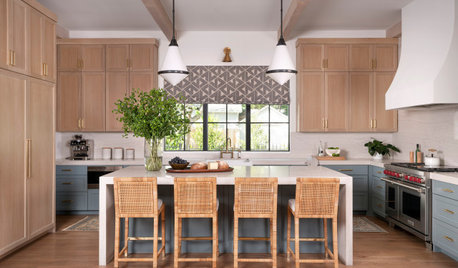
KITCHEN LAYOUTSThe Pros and Cons of 3 Popular Kitchen Layouts
U-shaped, L-shaped or galley? Find out which is best for you and why
Full Story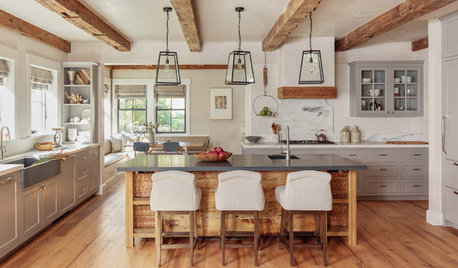
KITCHEN ISLANDSThe Pros and Cons of Kitchen Islands
Two designers make the case for when adding a kitchen island is a good idea — and when it’s not
Full Story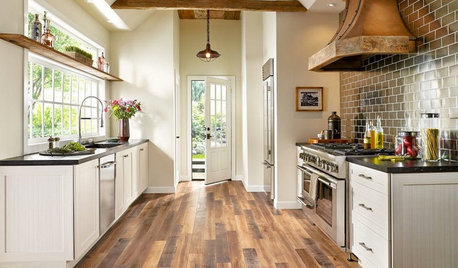
MOST POPULARPros and Cons of 5 Popular Kitchen Flooring Materials
Which kitchen flooring is right for you? An expert gives us the rundown
Full Story
KITCHEN CABINETSThe Pros and Cons of Upper Kitchen Cabinets and Open Shelves
Whether you crave more storage or more open space, this guide will help you choose the right option
Full StoryKITCHEN CABINETSPainted vs. Stained Kitchen Cabinets
Wondering whether to go for natural wood or a painted finish for your cabinets? These pros and cons can help
Full Story
BATHROOM DESIGNBathroom Countertops: The Pros and Cons of Engineered Quartz
See why these designers like engineered quartz for its durability, color options and more
Full Story
KITCHEN CABINETSKitchen Confidential: The Pros and Cons of Double Stacked Cabinets
Does it make sense for you to double up on cabinets? Find out here
Full Story
FEEL-GOOD HOMEThe Pros and Cons of Making Your Bed Every Day
Houzz readers around the world share their preferences, while sleep and housekeeping experts weigh in with advice
Full Story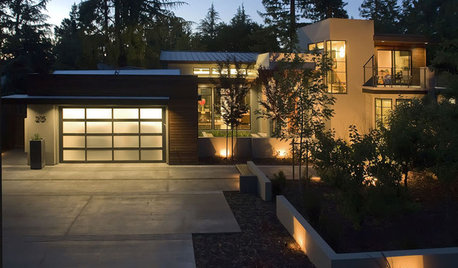
REMODELING GUIDESConcrete Driveways: Poring Over the Pros and Cons
Concrete adds smooth polish to driveways and a sleek look to home exteriors, but here are the points to ponder before you re-surface
Full Story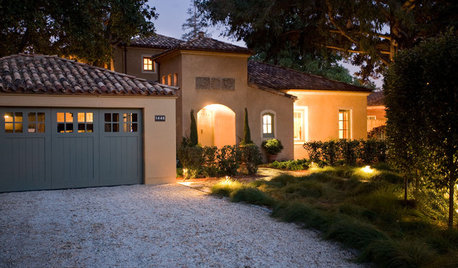
REMODELING GUIDESGravel Driveways: Crunching the Pros and Cons
If you want to play rough with your driveway, put away the pavers and choose the rocky road
Full StorySponsored

Customized Award-Winning Interior Design Solutions in Franklin Cnty OH
nekotish