

Maine Grains - Food economy
6 years ago
last modified: 6 years ago
Featured Answer
Sort by:Oldest
Comments (9)
 6 years agolast modified: 6 years ago
 6 years ago
Related Discussions
How are new gardeners faring? (Economy, more ppl gardening, etc)
Comments (41)I am a first year gardener. I grew up on a 160 acre farm supplemented with huge vegetable gardens. The gardens were beautiful and I helped tend them, as directed, but as a child had no interest. I had more important things to do. My parents had an interest because they needed to feed a family of six on the income of subsistence farmers. Fast forward 33 years and gardening is my new obsession. I referenced this board for hours to figure out what was happening almost on a daily basis. I know I would have been much less successful had it not been for the wisdom and willingness of people to share. Here is a list of goals I had in the middle of this past May: - get a garden in the ground - try to do something right to produce something - learn, learn, learn. - stay organic if possible. Biggest lessons learned: - plant at the right time for my zone. I grew up in Ky, a zone 6 I believe, and now live in zone 8, almost 9 because we are right on the coast. In zone 6, you live and die by the frost dates. Here the "ender" of the season is a mixture of heat and bugs. - don't crowd the plants. The viners like cukes and melons need a lot more space than the 8 foot diameter requirements specified on the packets. - I think I could have pruned more and been ahead. Planting in May instead of March, like I was supposed to, was asking for powdery mildew due to the crowding and the high humidity here. I learned a lot in my little 14 by 20 foot space. I produced 37 pounds and it's still going. It will be like a jungle when I get back, since I am away on a two week work trip. The three biggest producers were cucumbers, tomatoes, and green bell peppers. I also interplanted with flowers like Zinnias and Cosmos, and these also did very well. I have a 14 by 22 plot next to the existing undergoing solarization, and about 80 seedlings in the starting trays. I am encouraged and plan to start my fall garden when I get home. There will be broccoli, cauliflower, and lots of lettuce. I also plan to start some more yellow crook neck squash. It and all zucchini were destroyed by SVBs in the summer garden. I did however, remove and destroy about 15 of SVBs, so I did my part in removing them from the population. I get a lot of information and inspiration from this board. Thank you. And right now, it lets me be a "virtual" gardener since I am away from home....See MoreAcorns: The Grain That Grows on Trees
Comments (8)Wow, that is some list you have! I love the info on acorns too. You are in Utah, you should try the acorns from the native Gambel's oak. I am told they are among the sweetest acorns. I see from your list that you want the following that I have: yard long beans-brown seeded smooth luffa gourd-edible type cala lily-bulbs favorite beans-I have at least 10 pounds of Kentucky Wonder oriental red hot chili peppers cilantro Other unusual plants you may be interested in: New Zealand spinach-also have seed prickly pear cactus (opuntia ficus-indicus) hardy to -3F Chocolate scented tuberous sunflowers-flowers smell sweet and tubers are tasty Passiflora incarnata-maypop See also my trade list. My Wants: Actinidia Kolomikta-Arctic Beauty Kiwi-really want this. Do you have both male and female plants or just seed? Eggplant-Turkish Italian Orange Mormon Tea-Ephredra nevadaensis Cranberry Stevia rebaudiana Lovage Red Concerto Artichoke Hilds' Blue Winter Radish Purple Haze Carrots...See MoreOaks in the Food Forest
Comments (12)Hello Marshall, Brandan and others, Thanks for your interest in Whole Systems Ag and I am glad you enjoyed Dr B's paper. I think it's one of the best I've seen on oaks. Yes, I've visited the Santa Barbara museum many times when my family was living in Thousand Oaks. The botanic garden was a particularly nice attraction because, at the time, I was doing a lot of work with native plants. I checked out the PGI and that looks like a kind of Jungian place. I had a big interest in that stripe of psychology at that time too. At present, my work on the farm and with the tasks in front of my nose keep me from the more academic pursuits I once enjoyed. The garden at Pacifica sounds like a wonderful endeavor. Indeed, I'd be delighted if you should come for a visit. I seldom leave the farm so one time is about as good as another. It's easy to find just 6 miles or so north of the San Joaquin River on Highway 41 toward Yosemite. Send me a personal email at daddyoat@netptc.net and I'll return detailed directions....See MoreGrain Mills and Freshly Milled Grain
Comments (25)Carol, We bought some pullets and also some straight run. Most of the straight run birds turned out to be roosters. It has been hysterically funny. If you think listening to one young rooster trying to figure out how to crow is funny, just multiply it by 5. They all can crow pretty well now but for a while it was just pitiful. Now that they've figured out the whole crowing thing, they are working really hard on crowing in unison. So far, they get along and aren't fighting. One of the Welsummer roosters is clearly the alpha male, and as long as the others respect that, they may not fight very much. The bad thing about having roosters is that they start crowing around 3-5 a.m. and I am a light sleeper. These roosters are kind of sweet. Every other rooster we've had in the past had to be taught that if you spur the human, you get kicked in the head. (They learn fast.) These roosters haven't even tried to spur a human. Hooray--civilized roosters! We're getting oodles of eggs, and one hen is acting like she might go broody and sit on the nest, but it is getting late in fall for her to start that because it would be cold when the chicks hatch out. So, we'll probably continue gathering the eggs and then let her set on a clutch of eggs in the spring. Barb, It is not at all hard to build a secure coop/run. There are photos and plans all over the internet. With a chicken run, what has worked for us is having it fenced on all sides, including the ground and the top, so they can't fly out and predators can't fly in, dig in, climb in or jump in. If the coop has predator proof doors that are closed every night, they'll be fine. Snakes are sometimes a problem here, and we kill every one that comes into the chicken coop. Tim tried catching and releasing chicken/rat snakes against my will, and they always came back, usually within 24 hours, so now they all get shot. We've had one snake take out a half-dozen chicks in one day, so we keep chicks in a brooder cage made of 1/4" hardware cloth until they are 3/4s grown. This year we have had exactly one snake in the chicken coop, and it didn't do any harm, so it has been a very good year in that regard. Check out some of the chicken housing on the link. I bet at least one of your sons is handy enough to help you build one. Dawn Here is a link that might be useful: Chicken Coop Designs...See More 6 years agolast modified: 6 years ago
 6 years ago
- 6 years ago
- 6 years ago
 6 years ago
- 6 years ago


Related Stories

HOUSEKEEPING9 Kitchen Organizing Tips to Help You Waste Less Food
Follow these simple steps to maximize your budget and turn your good intentions into good habits
Full Story
Places in the Heart: A Postcard from Maine
Weathered Wood, Windowboxes and Glorious Gardens Contribute to Maine's Mid-Coast Charm
Full Story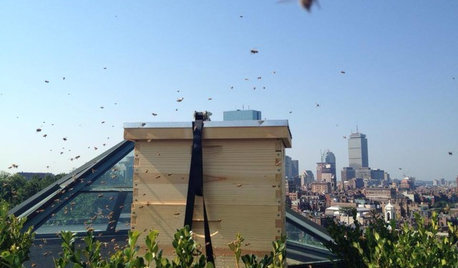
FARM YOUR YARDHello, Honey: Beekeeping Anywhere for Fun, Food and Good Deeds
We need pollinators, and they increasingly need us too. Here, why and how to be a bee friend
Full Story
HOUZZ TOURSModern Maine Cabin Is a Place of Wonder
An exposed granite ledge, spruce trees and a carpet of moss and ferns inspire a couple’s new life in the woods
Full Story
GREEN BUILDINGThe Big Freeze: Inventors Break New Ground to Keep Things Cool
Old-fashioned fridges can be energy guzzlers, but there are more eco-friendly ways of keeping food fresh, as these global innovations show
Full Story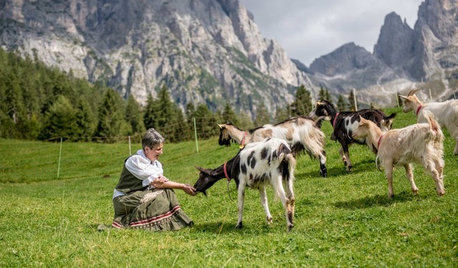
FARMHOUSESWorld of Design: See How 9 Families Live and Farm on Their Land
Join us as we visit the homes and farms of passionate food producers and hear about rural life around the globe
Full Story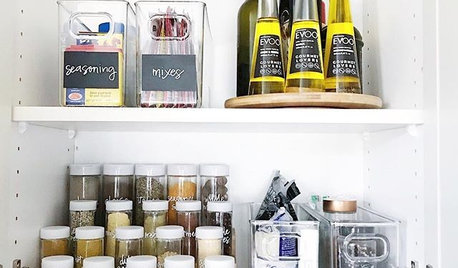
ORGANIZINGPost-KonMari: How to Organize Your Pantry
Get the skinny on setting up your food storage so it’s easier to find ingredients and cook
Full Story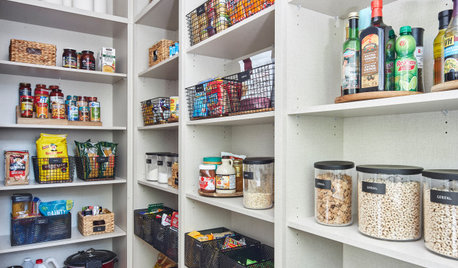
KITCHEN PANTRIES15 Smart Ideas From Beautifully Organized Pantries
See cabinetry and lighting setups that can help keep your food and supplies in good order
Full Story
HOUSEKEEPINGYour Guide to a Sparkling Clean Kitchen
Tackle food messes with this comprehensive collection of targeted and tested cleaning methods
Full Story
WOODWORKINGHow to Clean and Care for Your Butcher Block
Keep butcher block counters and boards looking sharp as a knife — and sanitized for safe food prep — with this advice from a pro woodworker
Full Story

Lars